
Why Alcalá de Henares
Alcalá de Henares is the university that became a city: founded by Cardinal Cisneros in 1499 as a planned academic town, copied across the Spanish Americas, and inscribed whole onto the UNESCO list. Cervantes was born on its Calle Mayor — the longest arcaded street in Spain — and the storks nesting on every college tower are as much a symbol of the city as the plateresque facade of the Colegio de San Ildefonso.
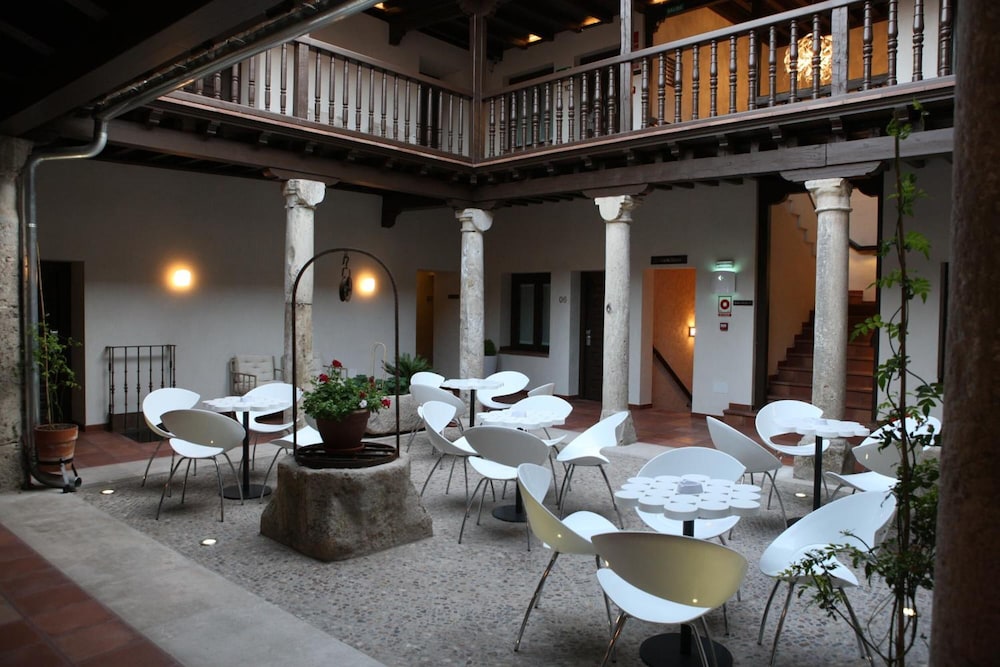
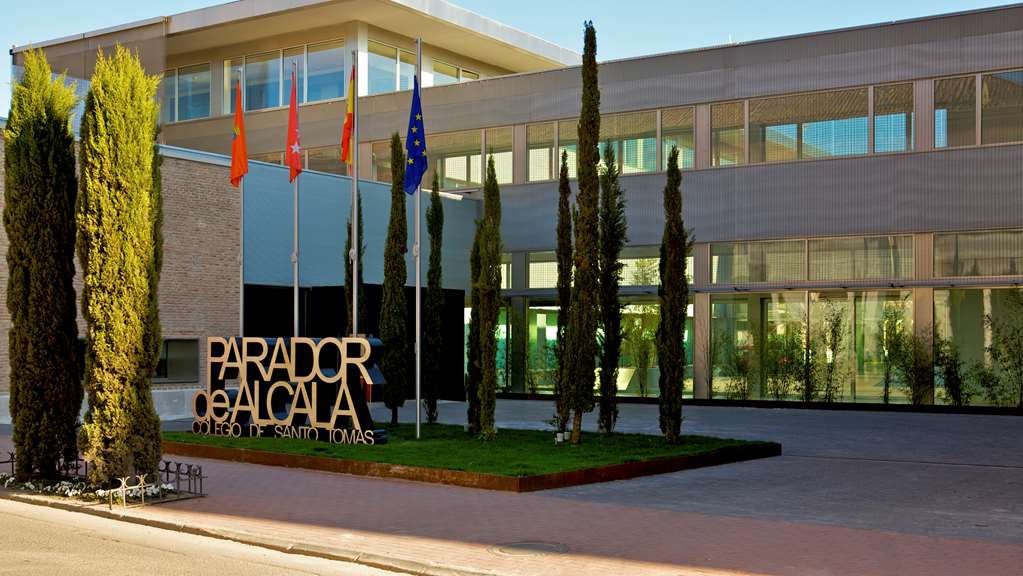
Staying overnight is the connoisseur's move: the day-trippers drain back to Madrid by seven, leaving the Calle Mayor's tapas bars and the lamplit university lanes to students and the few visitors who booked a bed. Hotels are modest and well-priced, including a parador in a 17th-century convent-college.
The walk to do first
University quarter & stork towers — 3 km · 1.5 h. Plaza de Cervantes → Calle Mayor arcades → Casa de Cervantes → Catedral Magistral → Palacio Arzobispal walls → back along Calle Colegios past the parador. Count the stork nests as you go — the town keeps an official census.
Getting there and around
Cercanías C-2 and C-7 run from Atocha and Chamartín every 10–15 minutes (35–40 min). The station is 10 minutes' walk from the historic centre. Drivers take the A-2 (30–45 min depending on traffic); parking sits outside the old grid.
Where to stay
Inside the historic grid, everything is five minutes apart — aim for the Calle Mayor / Plaza de Cervantes axis. The parador end (Calle Colegios) is quietest. Near the Cercanías station works for early trains but sacrifices the evening atmosphere that justifies staying at all.
Alcalá de Henares lists around 38 bookable hotels and guesthouses, from roughly €48/night. Prices on the area page are live; booking 3–6 weeks out usually lands the best rate, with free cancellation on most rooms.
Questions, answered
Where to sleep: Alcalá de Henares
See all stays →Curated picks are coming — meanwhile, the live search covers every bookable property at the same price or better.
%2006.jpg?width=960)