
The short answer
Alcalá de Henares is the university that became a city: founded by Cardinal Cisneros in 1499 as a planned academic town, copied across the Spanish Americas, and inscribed whole onto the UNESCO list. Cervantes was born on its Calle Mayor — the longest arcaded street in Spain — and the storks nesting on every college tower are as much a symbol of the city as the plateresque facade of the Colegio de San Ildefonso.
The list, ranked
1. Colegio de San Ildefonso — The university's founding college — the plateresque facade, the Paraninfo where the Cervantes Prize is awarded, and Cisneros' marble tomb. Guided visits run daily.
2. Museo Casa Natal de Cervantes — The reconstructed birth house of the man himself, free, on the Calle Mayor — with the famous bench of Quixote and Sancho outside.
3. Calle Mayor's arcades — 500 medieval metres of columned portico — tapas at the Indalo or a menú at the Hostería del Estudiante, storks clattering overhead.
4. Roman Complutum & the Casa de Hippolytus — The Roman city Alcalá grew from — mosaics and a schoolhouse for patrician youth, 20 minutes' walk from the centre.
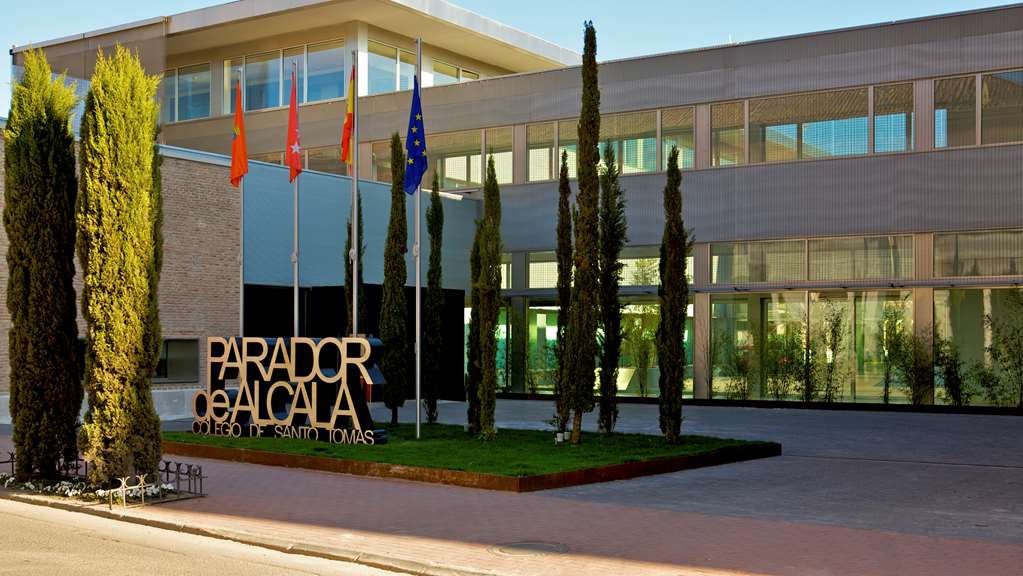
5. University quarter & stork towers — 3 km · 1.5 h. Plaza de Cervantes → Calle Mayor arcades → Casa de Cervantes → Catedral Magistral → Palacio Arzobispal walls → back along Calle Colegios past the parador. Count the stork nests as you go — the town keeps an official census.
Make a day of it
Cercanías C-2 and C-7 run from Atocha and Chamartín every 10–15 minutes (35–40 min). The station is 10 minutes' walk from the historic centre. Drivers take the A-2 (30–45 min depending on traffic); parking sits outside the old grid.
Questions, answered
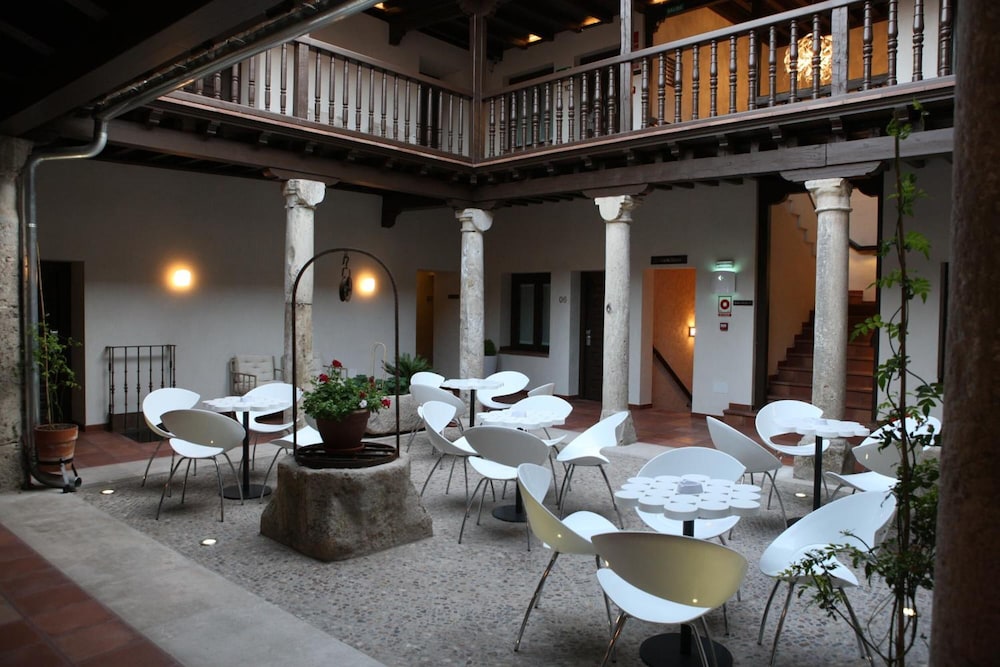
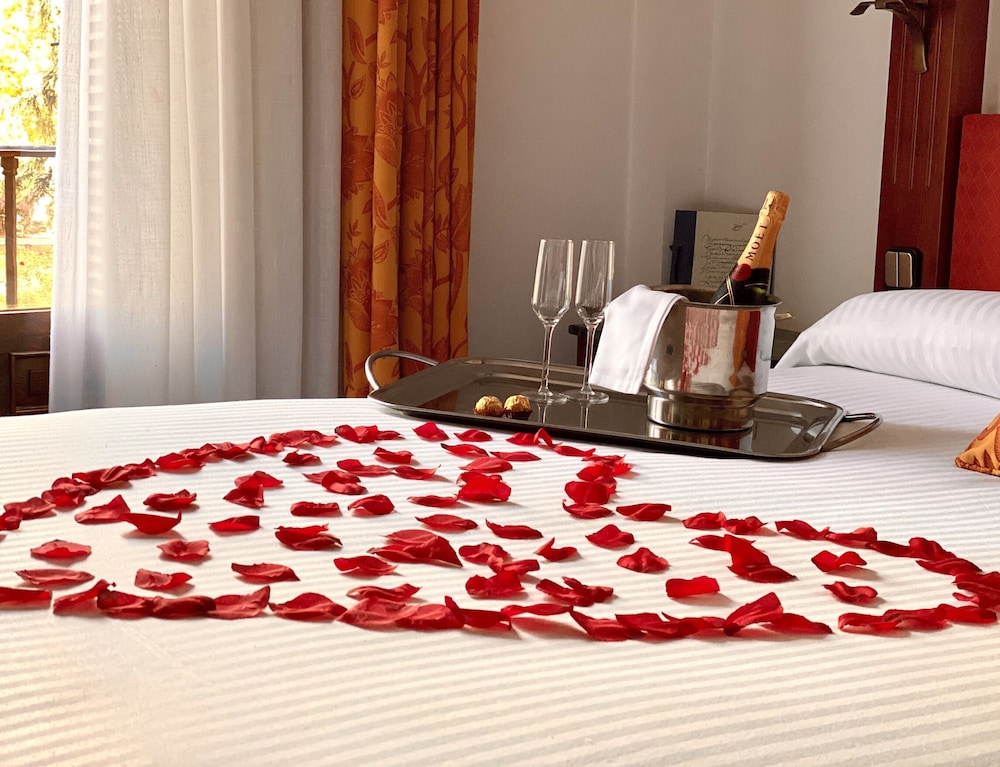
Where to sleep: Alcalá de Henares
See all stays →Curated picks are coming — meanwhile, the live search covers every bookable property at the same price or better.
%2006.jpg?width=960)