
Why Usera is suddenly on the map
Usera is Madrid’s Chinatown — the largest Chinese community in Spain lives around Calle de Marcelo Usera — and for a decade its restaurants were a secret locals kept from each other. Then the food press arrived, then Lunar New Year became a city-scale event, and now Usera appears on "coolest neighbourhoods" lists that would have baffled anyone in 2015.
For a visitor, the pitch is simple: hot-pot, hand-pulled noodles and Sichuan cooking at prices Chinatowns in London or Paris stopped charging years ago, in a barrio that is otherwise ordinary, unpolished, working-class Madrid. Twenty minutes from Sol on Line 3.
The food, which is the point
Skip the menu-with-photos places on the main drag and follow the full tables: the hot-pot houses and dumpling specialists around Marcelo Usera and its side streets, the Chinese supermarkets with cooked counters at the back, the bubble-tea generation cafés run by the second generation. A serious dinner for two rarely clears €35.
The barrio’s Spanish layer never left either — old-school tabernas and menú del día bars at €11–13 sit between the woks. Usera at lunch is one of the best-value square kilometres of eating in Europe.
Madrid Río at your doorstep
%2001.jpg?width=960)
Usera’s northern edge is the Manzanares, which means the Madrid Río park — ten kilometres of riverside lawns, bridges, playgrounds and summer beaches — is your front garden. Walk the river west and you hit the Matadero arts centre in fifteen minutes; keep going and Casa de Campo’s cable car and lake are within a long stroll.
This is the detail that changes the "should I stay here" answer: you are not just near cheap noodles, you are on the city’s favourite park with a straight, flat, pretty walk into La Latina over the Toledo bridge.
Staying there: the honest trade
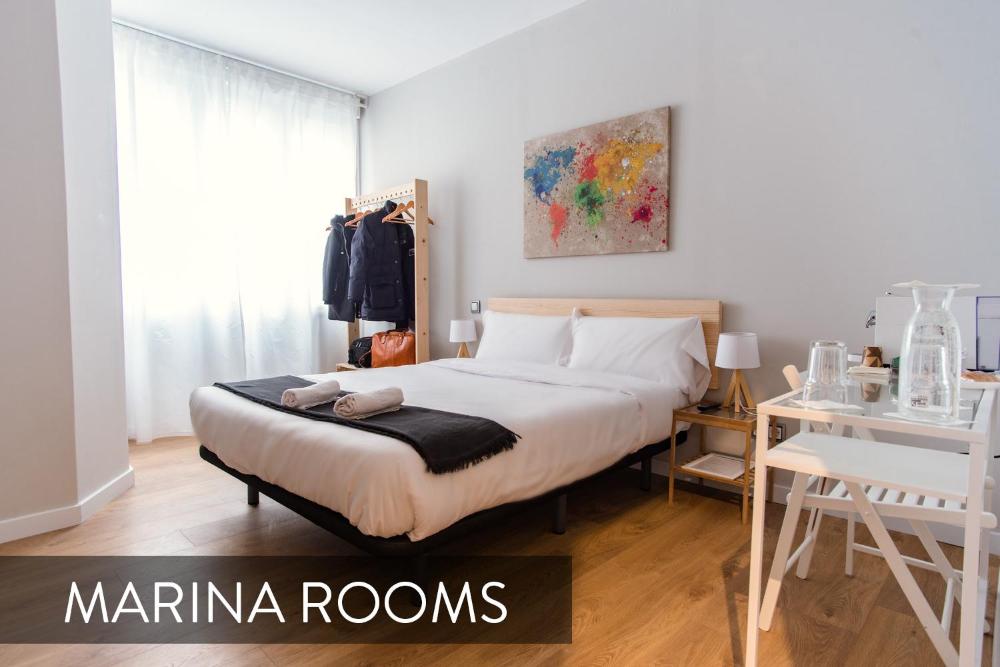
Hotel stock is thin — a handful of small hotels and hostals, plus apartments — which keeps prices in the €35–55 band nearly year-round. Line 3 (Almendrales, Usera, Plaza Elíptica) runs you to Sol in ~15 minutes; Plaza Elíptica also hosts the express bus interchange for Toledo day trips.
The trade-offs mirror Carabanchel next door: little English, few tourist services, and streets that are lived-in rather than pretty. The compensations are the food, the river and the price. For a second visit to Madrid, or a food-first traveller, it is a genuinely good call.
When to come
Lunar New Year (late January or February) is Usera’s week — dragon parades down Marcelo Usera, food stalls, and the one time hotels here actually tighten. Summer evenings are the other peak, when the river fills and dinner moves to the terrazas.
Any Sunday works as a day trip formula: Rastro in La Latina in the morning, walk south over the Toledo bridge along the river, late Chinese lunch in Usera, metro home. If the lunch convinces you, check what a room costs — it will be less than you think.
Questions, answered
Hotels in Madrid
See all stays →Curated picks are coming — meanwhile, the live search covers every bookable property at the same price or better.
%2001.jpg?width=960)

%2006.jpg?width=960)