
Churros doctrine
Get the vocabulary right first: churros are the thin ridged loops; porras are their fat, airier cousins. Both exist to be dipped in chocolate a la taza — a cup of drinking chocolate thick enough to stand a churro upright. Sugar on top is tolerated; asking for coffee to dip in is not.
Madrid eats them at two hours: breakfast, at a neighbourhood churrería where the dough hits the oil in front of you — and somewhere past midnight, when the night ends in chocolate rather than another round. The all-night institution near Sol has served the second shift since 1894; expect a queue after 2:00 and nobody in it sober.
The sweet calendar
The pastry year is liturgical. Lent and Easter bring torrijas — brioche-style bread soaked in milk or wine, fried and honeyed — and every bakery competes; January belongs to the roscón de Reyes with a figurine baked inside; November 1st to huesos de santo and buñuelos; and violet candies — Madrid’s own perfumed sweet — sell year-round from shops that have wrapped them the same way for a century.
Eating by this calendar is the cheapest way to eat like a local: a torrija and a café cortado in Holy Week costs €4 and tastes like the whole city’s childhood.
The centenary pastelerías
A handful of pastry houses around Sol and Huertas have passed the hundred-year mark still selling from marble counters: bartolillos (custard-filled fried pastries), rosquillas del santo in May, chocolates in painted tins. The rooms alone — gilded, mirrored, unhurried — justify the stop.
The move is merienda: the 18:00 coffee-and-something that bridges Madrid’s late lunch and later dinner. Take it standing at the counter with the office workers and the abuelas — the two demographics that never let a good pastelería die.
Questions, answered
Hotels for this guide
See all stays →Curated picks are coming — meanwhile, the live search covers every bookable property at the same price or better.
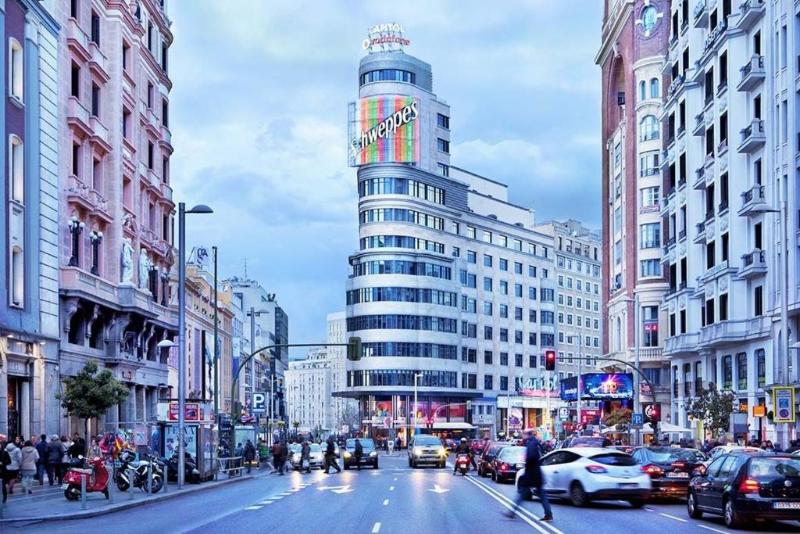
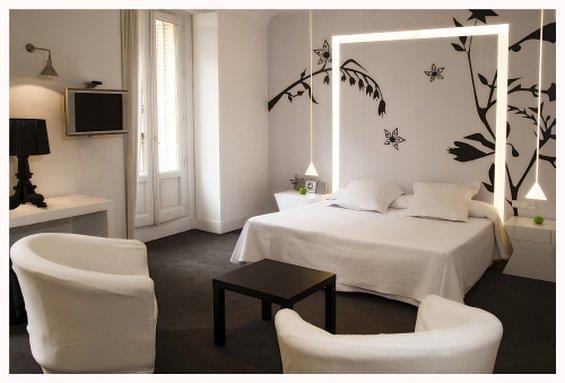
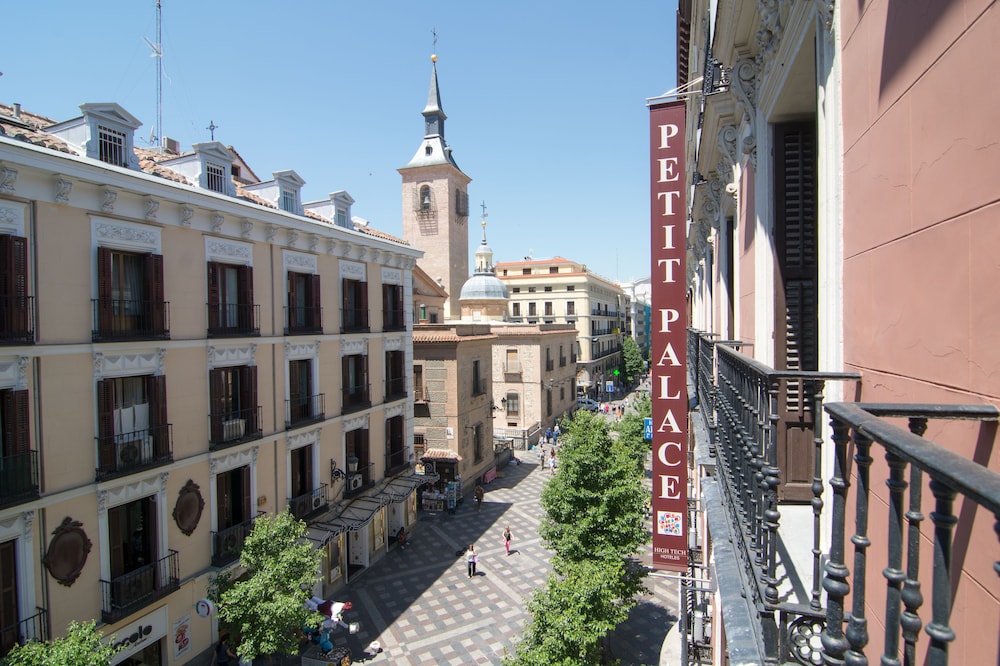
%2003.jpg?width=960)

