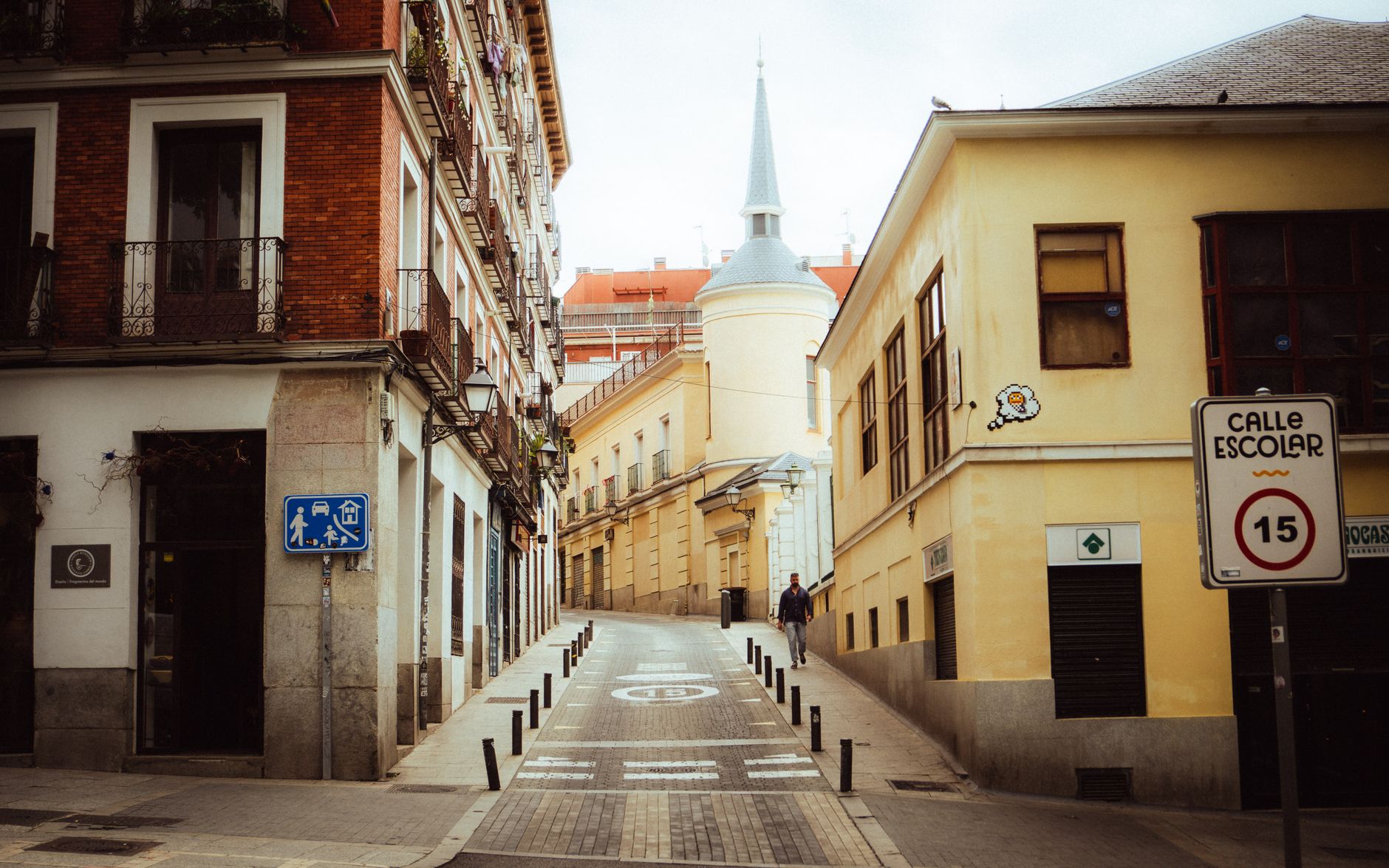
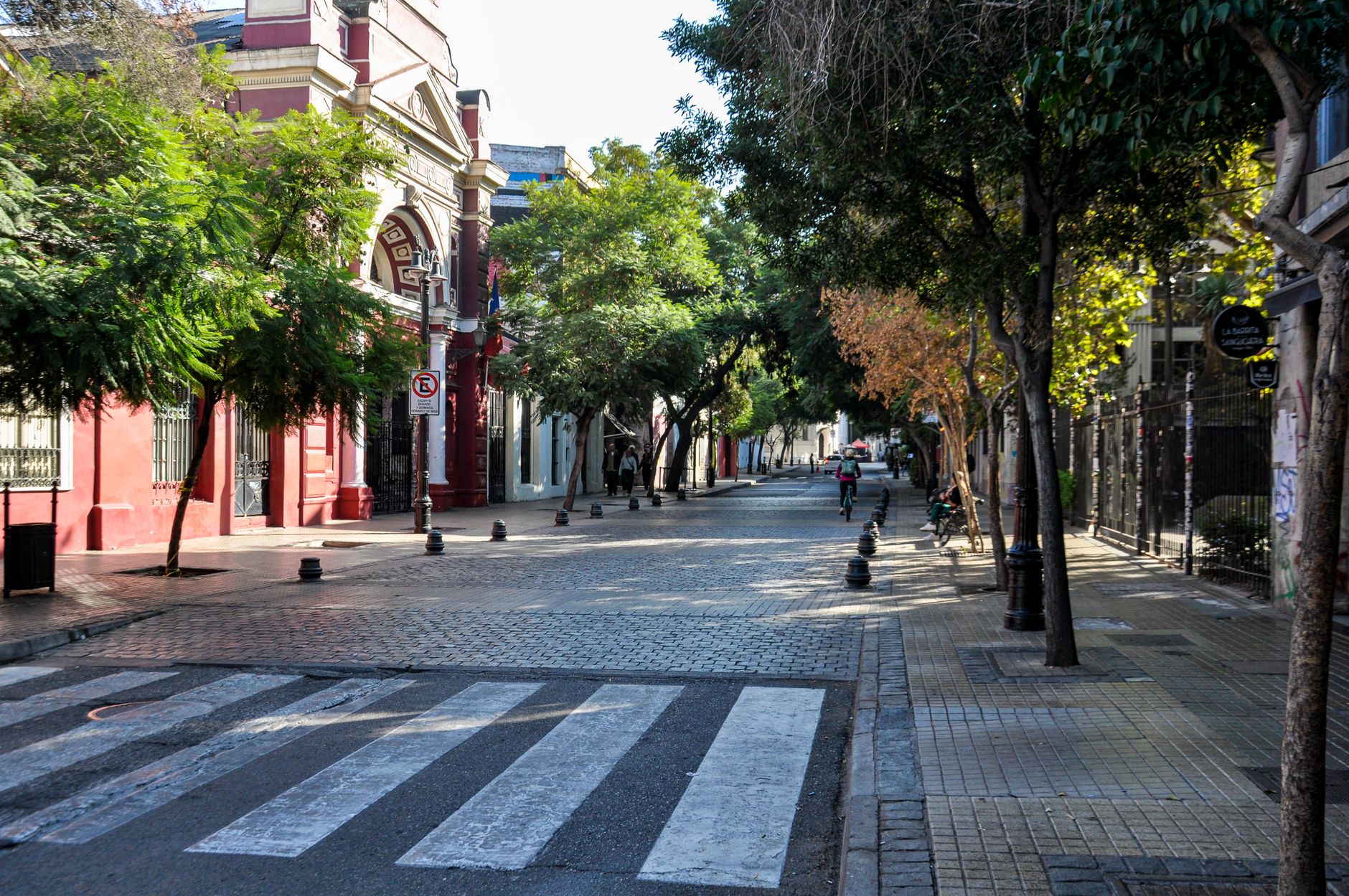
Madrid's barrios each have a distinct character — and where you stay shapes your entire trip. This guide covers the 8 neighbourhoods most useful for visitors, from the first-timer's obvious choice to the quieter local corners that reward those who look.
Sol is the literal heart of Spain — the Puerta del Sol plaza contains Kilometre Zero, from which all national road distances are measured. As a base, it's unbeatable for access: every Metro line connects through Sol or the adjacent Opera and Tirso de Molina stations, and you're walking distance from the Prado, Palacio Real, La Latina, and Plaza Mayor. The barrio itself is busy and tourist-facing, but the hotels represent excellent value for the location. If it's your first time in Madrid and you don't want to think about transport, stay in Sol.
Embajadores and the adjacent La Latina neighbourhood are where you come for tapas, El Rastro flea market on Sundays, and the most authentically madrileño experience available to tourists. Cava Baja and Cava Alta are the main tapas streets. Hotels here tend to be smaller and more local — you're less likely to be surrounded by tour groups. Best on weekends when El Rastro is running and the whole area comes alive on Sunday afternoon.
The Palacio barrio sits immediately around the Royal Palace and overlooks the Casa de Campo and the Sierra de Guadarrama to the west. It's one of the quieter central barrios — fewer bars and restaurants than La Latina or Malasaña, but closer to the Palacio Real, the Cathedral, and the Templo de Debod sunset spot. Hotels in Palacio offer good value for a central location with less noise.
Best for Independent TravellersIndie BarsVintage Shopping
Malasaña was the epicentre of Madrid's movida movement in the 1980s and still trades on that creative, counter-cultural energy. The streets around Plaza del Dos de Mayo are full of independent record shops, vintage clothing stores, natural wine bars, and cafés that take coffee seriously. It's the most consistently interesting neighbourhood for younger travellers and those who want nightlife without going to a club. The Justicia barrio to the east is slightly quieter and has some excellent boutique hotel options.
Chueca is Madrid's LGBTQ+ neighbourhood and one of the most lively parts of the city. The bars on Calle Pelayo and surrounding streets are packed every weekend. The neighbourhood is also home to excellent restaurants and some of the best boutique hotels in central Madrid. Pride (Orgullo) in late June/early July is one of Europe's largest LGBTQ+ events and centres on Chueca. Welcoming to everyone regardless of identity.
Best for Couples & LuxuryDesigner ShoppingQuieter Evenings
Salamanca is Madrid's wealthiest residential district — a grid of wide 19th-century boulevards lined with designer boutiques, luxury hotels, and high-end restaurants. The Mercado de la Paz is here, along with the best food shopping in the city. It's quieter than the historic centre and has fewer tourists. Best for visitors who want a peaceful base and don't mind spending a little more. The upscale shopping street Calle de Serrano runs through it.
Chamberí — Local Madrid
Best for Authentic ExperienceFew TouristsGood Restaurants
Chamberí is where Madrid residents live — a residential neighbourhood with excellent neighbourhood restaurants, local bars, and the city's highest density of small independent businesses. It's north of the tourist centre and sees very few visitors, which is precisely the point. The Ghost Station (Andén 0 at Chamberí Metro) is a preserved 1919 station from the original Madrid Metro line, free to visit.
The Retiro barrio is defined by its park — 350 acres of greenery immediately to the east of the Prado. Hotels here are quieter than anywhere else in the tourist centre and are perfect for museum-focused trips since the Prado, Reina Sofía, and Thyssen are all within walking distance. The barrio has a residential, genteel character.