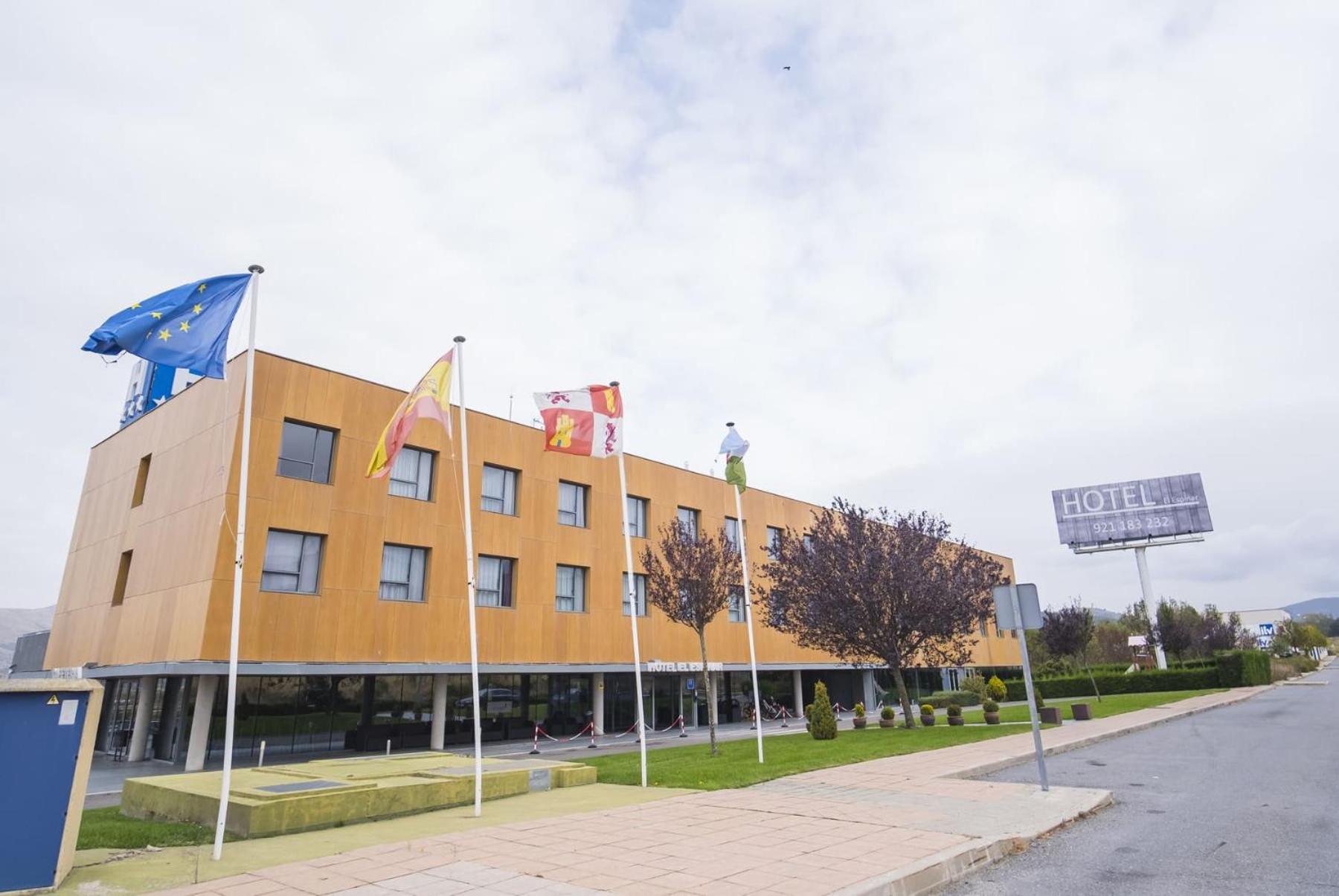
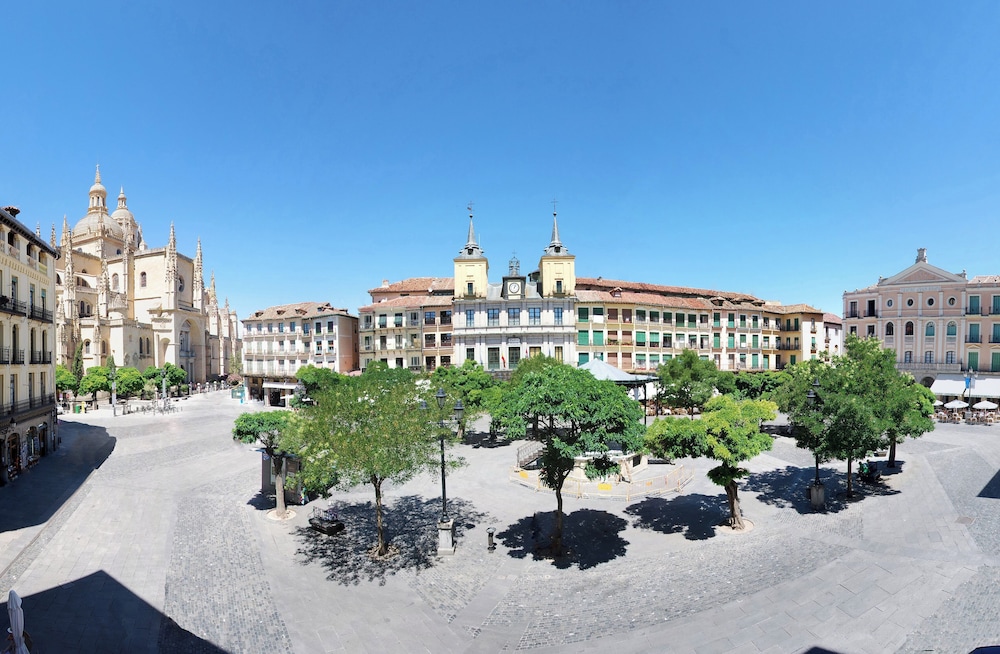
3 stages, 3 places to sleep
Open a stage to see what you pass and where to stay that night.
Planning the C-8 + C-9: the mountain railway — the practical guide
The C-8 + C-9: the mountain railway covers 75 km from Madrid to Cotos in 3 stages averaging 25 km. The longest day is stage 1 (55 km, ending in Cercedilla); the gentlest is stage 3 at 9 km into Rascafría. You ride it in the order written, but every stage town works as an entry or exit point, so the route sections cleanly for shorter trips.
Overnights run Cercedilla, Navacerrada, Rascafría — each bookable from the stage cards above. Book the smallest stops first: a village with a handful of guesthouses sells out weeks before a resort with fifty.
Planning & pacing
These routes invert the usual logic: the train is the itinerary. Buy the day right — a Tourist Travel Pass covering zone T makes every line on this page flat-rate — sit on the correct side (left leaving Atocha for the Tagus valley; right on the C-8 for the sierra wall), and treat the timetable as the skeleton of the day.
The overnight versions outperform the day trips: Alcalá and Aranjuez both empty of visitors when the evening trains leave, and both are better at dusk than at noon. Every stage names its town — the beds are one click away.
When to go
All three lines run year-round. Spring gets the Tren de la Fresa running and the Aranjuez gardens at peak; October gives Alcalá its Cervantes festival and the sierra line its golden pines.
Winter is the C-9’s secret season — snow at the pass, hot chocolate at Cotos, and the descent through white pines at dusk. Summer moves the logic to mornings: gardens and old towns before the heat, terraces after.
What to pack
Almost nothing — that’s the format’s charm. Walking shoes, water, and layers for the mountain line: Cotos runs 12–15°C below Atocha and the platform wind is honest.
For the sierra stages carry what the mountain deserves if you plan to walk from the stations — the C-9 delivers you to genuine trailheads at 1,800 m, not a viewing platform.
Transport & logistics
Frequencies: the C-2/C-7 to Alcalá every 10–15 minutes, the C-3 to Aranjuez every 15–20, the C-8 to Cercedilla roughly half-hourly. The C-9 is the fragile link — a handful of daily departures, weekend-weighted, with maintenance closures; confirm on Renfe the day before.
The rechargeable Multi card and the Tourist Pass both cover Cercanías within their zones; the Tren de la Fresa is a separate ticketed heritage service from the Railway Museum, selected weekends April–June and September–October.
Eating along the route
Each terminus is a food destination: Alcalá’s arcaded tapas bars (the university crowd keeps prices honest), Aranjuez’s market bars and strawberry stalls, and the mountain line’s chain of station cafés ending in hot chocolate at Cotos. Eat at the destination, not the origin — Atocha’s offering is a station’s.
The connoisseur’s move on the C-2 is the menú del día among students on Alcalá’s Calle Mayor — Golden Age surroundings, €13, storks overhead.
Safety & local rules
The network is safe at all hours; the standard advice is pickpocket awareness at Atocha and Sol interchanges, nothing more. Validate the card before platforms — inspectors work the regional lines.
On the mountain line, respect the altitude on arrival: Cotos is high, cold and weather-exposed, and the platform is a trailhead. Dress for the mountain you’re stepping into, not the city you left.
C-8 + C-9: the mountain railway: questions, answered
Hotels along this route
See all stays →Curated picks are coming — meanwhile, the live search covers every bookable property at the same price or better.