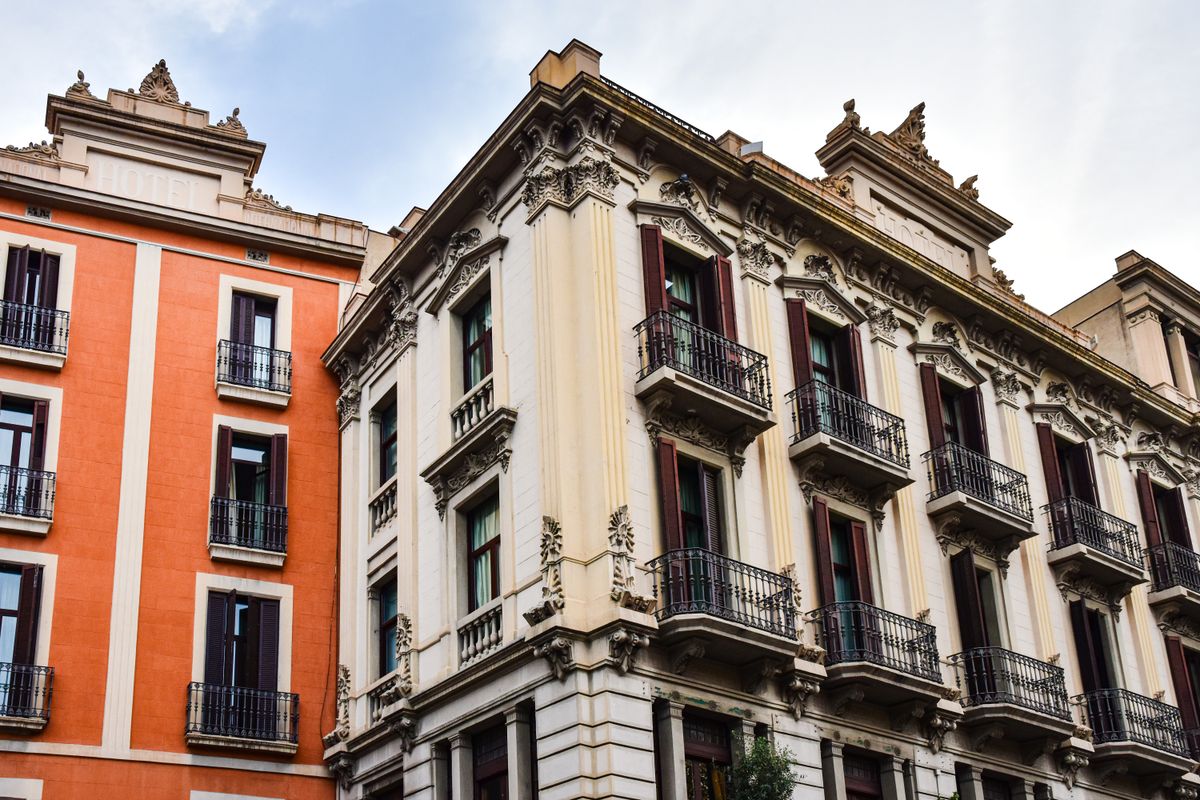
Every Sunday morning, a roughly 400-metre stretch of Calle de la Ribera de Curtidores transforms into one of the most chaotic, colourful and genuinely entertaining markets in Europe. El Rastro has been running in one form or another since the 15th century, and on any given Sunday it pulls somewhere between 100,000 and 150,000 people through its stalls. Some are hunting for mid-century furniture. Some want a vintage leather jacket. Most are just there for the atmosphere and the excuse to eat churros at 10am. Whatever your reason, here is everything you need to know before you go.
When to Go, How to Get There, and What to Expect
El Rastro runs every Sunday and on public holidays, from roughly 9am to 3pm. Earlier is significantly better. Arrive before 10am and you can actually browse without being swept along by the crowd. By midday, Ribera de Curtidores is shoulder-to-shoulder, and the stalls near the top of the hill, closest to Calle Embajadores, start packing up before 2pm.
The easiest way to get there is the metro. Take Line 5 (green) to La Latina station, exit onto Plaza de la Cebada, and you are a three-minute walk from the market entrance. Alternatively, Line 3 (yellow) stops at Embajadores, which puts you at the top of the market rather than the bottom. Sol is the interchange hub for Lines 1, 2 and 3, and it is the km0 marker of Spain, so if you are coming from anywhere central it takes under five minutes on the metro from there.
One honest note: keep your valuables secure. El Rastro is perfectly safe, but pickpockets do work the crowd on busy Sundays. A crossbody bag worn in front or a money belt solves the problem entirely.
What to Buy and Where the Good Stalls Are
The official market runs along Ribera de Curtidores and the side streets that branch off it, but the character changes depending on which street you are on. The main drag is dominated by clothing, cheap sunglasses, phone cases and tourist items. That is fine to walk through but not where the interesting buying happens.
Turn onto Calle del Carnero or Calle Mira el Río Baja and you find older, more individual dealers selling ceramics, religious art, old maps and framed prints. Calle del Gasómetro tends to have furniture and larger antique pieces. The covered Nuevas Galerias building on Ribera de Curtidores has permanent stalls with stamps, coins, vintage postcards and militaria. Prices are negotiable almost everywhere, but be reasonable rather than aggressive. Offering 20 percent less than the asking price is normal. Offering half will not win you friends.
Expect to pay around 5 to 15 euros for vintage ceramics, 10 to 40 euros for decent second-hand leather goods, and anything from 20 euros upward for framed vintage prints depending on the subject and condition. If you are serious about antiques rather than flea market finds, the permanent antique shops along Ribera de Curtidores itself are open during the week and worth a separate visit.
Eating and Drinking Around El Rastro
The pre-Rastro or post-Rastro drink is as much a Madrid institution as the market itself. The bars along Calle de la Cava Baja, a five-minute walk northwest into La Latina, are the classic choice. Taberna Txakolina and El Tempranillo both open from late morning on Sundays and serve excellent wine alongside solid pintxos and tapas. Neither is cheap by Madrid standards, but neither is expensive by any other measure. Budget around 15 to 20 euros per person for a proper spread.
For something more casual, the bars immediately around Plaza de Cascorro at the top of the market open early specifically for the Sunday crowd. A coffee and a tostada con tomate will cost you around 3 to 4 euros, and you can eat standing at the bar while watching the market come to life around you.
Where to Stay Near El Rastro
The Embajadores neighbourhood sits right at the heart of El Rastro territory, and staying here means you can walk to the market in minutes and spend the rest of your trip exploring La Latina, Lavapiés and the old city on foot. For anyone who wants to look at the full range of options in the area, cheaphotelsmadrid.com/embajadores/ lists hotels in the neighbourhood with most rooms offering free cancellation, starting from around 38 euros per night. One detail worth knowing: bookings made through the site are processed via IMPT, which means every stay removes one tonne of CO2 from the atmosphere at no extra cost to you and at the same price you would find on Booking.com.
El Rastro is genuinely one of the best free things to do in Madrid. Go early, bring cash, wear comfortable shoes, and leave room in your bag for whatever you find.
Ready to book a base for your Sunday morning market trip? Browse hotels near El Rastro at cheaphotelsmadrid.com/embajadores/.
Questions, answered
Hotels in Madrid
See all stays →Curated picks are coming — meanwhile, the live search covers every bookable property at the same price or better.
%201.jpg?width=960)
%2001.jpg?width=960)
%2001.jpg?width=960)