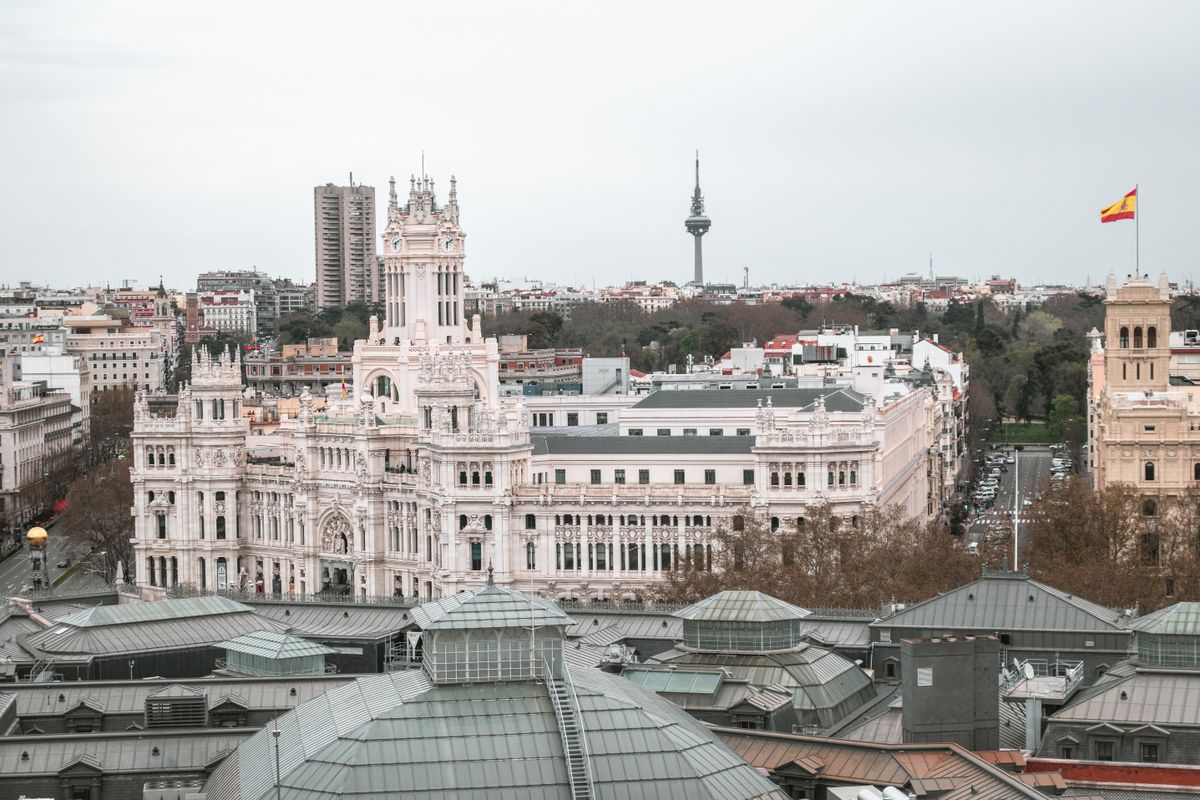
There is a version of Madrid that only exists on Sunday mornings, and it lives almost entirely in La Latina. By 10am, the streets around Plaza de Cascorro are already filling up. Vendors are laying out furniture, vintage cameras, old coins, military badges, second-hand jeans and things that genuinely defy categorisation. The smell of churros drifts over from somewhere nearby. This is El Rastro, and if you only spend one Sunday in Madrid, this is where it should be.
But El Rastro is only half the story. What makes a La Latina Sunday genuinely memorable is knowing how to pace the whole day, from the market in the morning through to the long, unhurried afternoon in the tapas bars on Cava Baja. Here is how to do it properly.
Getting There: Arrive Before the Crowds
El Rastro runs every Sunday and public holiday from around 9am to 3pm. The market spills down Calle de la Ribera de Curtidores from Plaza de Cascorro, with side streets branching off into more stalls selling antiques, books, vinyl records and clothing. It draws enormous crowds, so arriving before 11am makes a real difference to both the experience and your chances of actually seeing what is on the stalls.
The easiest way to get there is the metro. Take Line 5 (green) to La Latina station, which puts you right at the top of the market on Plaza de Cascorro. Alternatively, take L3 (yellow) to Lavapiés and walk up through Calle de Embajadores, which gives you a slightly quieter approach from the south. From Sol, which sits at km0 of Spain and connects Lines 1, 2 and 3, it is about a 15-minute walk southwest through the historic centre, entirely flat and easy to navigate.
Do not bring a large bag. The market is crowded and pickpocketing is common enough to mention. A small crossbody bag worn in front is the sensible choice.
The Market Itself: What to Look For
El Rastro is not a curated flea market. It is chaotic, loud and wonderful. The main drag of Ribera de Curtidores is dominated by cheaper goods, clothes and tourist items, but the real finds are in the side streets. Calle del Carnero and Calle Mira el Río Alta are worth exploring for vintage clothing and old prints. The indoor antiques galleries around Plaza del General Vara de Rey carry better quality pieces at higher prices, and sellers there are generally willing to negotiate.
Budget for browsing rather than buying. Prices vary wildly and there are genuine bargains alongside plenty of overpriced junk. If you are serious about antiques, come early and come with patience. If you just want the atmosphere, any time before noon works well.
After the Market: Cava Baja and the Tapas Ritual
When the market winds down around 2pm, the entire neighbourhood migrates to the bars. Calle Cava Baja is the main event, a narrow cobbled street lined with traditional tabernas that have been feeding this exact post-Rastro crowd for decades. This is where the Sunday eating and drinking ritual really begins.
Taberna Tempranillo on Cava Baja 38 is a reliable choice for wine and cured meats, with a good selection of Spanish regional wines by the glass from around 3 euros. Casa Lucas at number 30 is popular for small plates, with dishes running between 4 and 9 euros. For a more classic experience, El Almendro at Calle del Almendro 13, just off Cava Baja, does excellent tostas and the house vermouth is worth ordering.
The key is not to rush. Sunday lunch in La Latina is a long, unhurried affair. Tables turn slowly and that is entirely the point. Plan to spend two to three hours eating and drinking your way through the neighbourhood, ideally ending up in one of the small plazas like Plaza de la Paja or Plaza de San Andrés for a last drink in the afternoon sun.
Staying in La Latina: Why the Neighbourhood Makes Sense
Staying in La Latina puts you inside the experience rather than commuting to it. The neighbourhood is walkable to Sol in 10 minutes, to Lavapiés in five, and to the Palacio Real in around 15. It is a genuinely liveable part of the city with good local bars, a real residential character and significantly less noise than central Sol.
For anyone planning a Madrid trip around a Sunday in La Latina, it is worth looking at hotels directly in the barrio. cheaphotelsmadrid.com/la-latina/ lists hotels in the neighbourhood starting from €38 per night, with free cancellation on most rooms. The site also covers every other major barrio including Malasaña, Chueca and Salamanca, so it is worth checking neighbouring areas if La Latina itself is fully booked.
One thing worth knowing: booking through the site removes one tonne of CO2 per stay, at no extra cost compared to standard booking platforms.
La Latina on a Sunday is one of those Madrid experiences that is genuinely hard to replicate. Plan the morning around the market, give the afternoon to Cava Baja, and book somewhere close enough to walk home. Find your hotel in La Latina here and build the rest of the trip around it.
Questions, answered
Hotels in Madrid
See all stays →Curated picks are coming — meanwhile, the live search covers every bookable property at the same price or better.
%201.jpg?width=960)
%2001.jpg?width=960)
%2001.jpg?width=960)