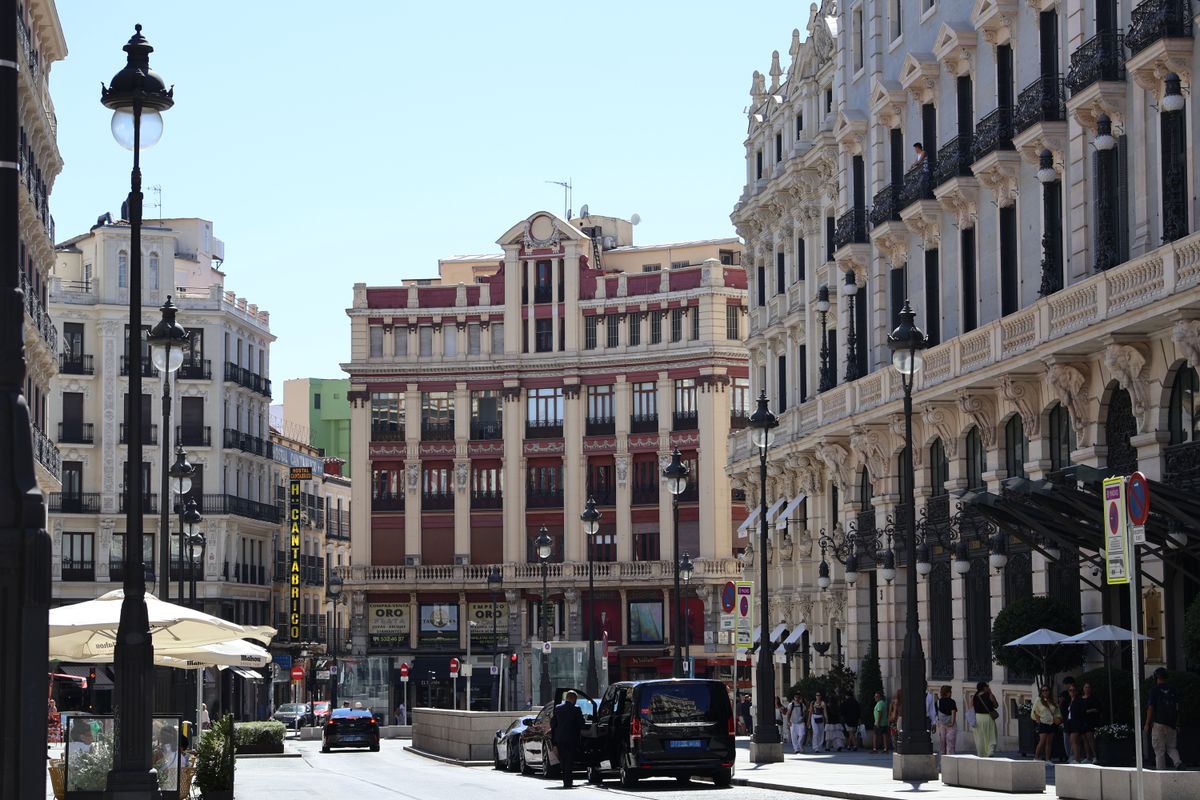
Madrid is a beautiful, chaotic, hilly city that was largely built before anyone thought seriously about wheelchair access. The good news: things have improved significantly. The less good news: accessibility is still patchy, and the difference between a comfortable stay and a frustrating one often comes down to which neighbourhood you pick and whether your hotel's "accessible room" description matches reality. Here is what you actually need to know.
Which Madrid Neighbourhoods Work Best for Wheelchair Users
Sol is the obvious starting point. It sits at kilometre zero of Spain, the literal centre of the country, and three metro lines converge there: L1 (light blue), L2 (red), and L3 (yellow). The streets immediately around Puerta del Sol are pedestrianised and relatively flat, which makes daily movement much easier than in areas like La Latina or Lavapiés, where cobblestones and steep inclines are the norm rather than the exception.
Salamanca, to the northeast, is probably the most consistently accessible neighbourhood for day-to-day navigation. The streets follow a neat grid laid out in the 19th century, pavements are wide and well-maintained, and the main shopping thoroughfare, Calle Serrano, is straightforward to move along. Hotels here tend to be four and five star, which generally means better-equipped accessible rooms, though prices reflect that. Retiro is similar in feel, with the added bonus of the park itself, which has accessible paths around the lake and through the main gardens.
Avoid Lavapiés if mobility is a serious concern. It is one of Madrid's most atmospheric barrios but also one of its steepest, with narrow streets and surfaces that become genuinely difficult in a manual wheelchair. La Latina has the same problem around the Cava Alta and Cava Baja area. Malasaña and Chueca are middle ground: flatter than Lavapiés but with some rough stretches, and hotel quality varies enormously.
What Madrid Metro Actually Offers Disabled Passengers
Metro de Madrid has made real progress on accessibility but coverage is still incomplete. Roughly half of all stations now have lifts, but the key word is roughly. Before you plan a journey, check the official Metro de Madrid accessibility map, which is updated regularly and shows lift locations station by station.
For visitors staying near Sol, the practical reality is that Sol station itself has lifts on the L1 and L2 platforms but the interchange between lines involves some awkward distances. Gran Via station on L1 and L5 is generally better for lift access. Nuevos Ministerios on L6 (the circular line) is one of the most accessible interchange stations in the network, useful if you are heading toward the airport or northern Madrid.
The EMT buses are actually more consistently accessible than the metro for short city-centre hops. Every bus in Madrid's fleet is now low-floor with a ramp, and the frequency on central routes is high enough that waiting more than ten minutes is unusual. Bus 3, which runs between Puerta del Angel and Legazpi, and Bus 27, connecting Embajadores with Callao, are particularly useful central routes.
How to Find and Book an Accessible Hotel Without Getting Burned
The single biggest frustration reported by disabled travellers in Madrid is hotels that list an "accessible room" meaning little more than a grab rail in the shower. When you are comparing options, look specifically for: roll-in shower or wet room, bed height between 45 and 50 centimetres, turning radius of at least 150 centimetres in the bathroom, and a hotel entrance without steps or with a ramped alternative.
cheaphotelsmadrid.com lists 5,393 hotels across Madrid from around 38 euros per night, organised by neighbourhood so you can filter directly for areas you know will suit your mobility needs. If you are prioritising flat streets and metro access, browsing the Salamanca hotel listings is a sensible starting point before widening your search. Most rooms come with free cancellation, which matters when you are waiting on information from a hotel about specific room configurations and might need to change plans.
One practical tip: always call the hotel directly after booking to confirm the accessible room details in writing. Ask specifically whether there are steps at the entrance, whether the lift reaches all floors including reception, and the exact shower setup. Staff at Madrid hotels are generally helpful when asked direct questions, and a two-minute phone call can save a lot of stress on arrival.
Budget and What to Realistically Expect
Genuinely well-equipped accessible rooms in Madrid tend to sit in the 80 to 150 euro per night range in central locations. Budget options exist below that but require more careful vetting. The 38 euro per night floor on the market is real, but those rooms are rarely the accessible ones. Factor in that booking through platforms connected to IMPT means each stay removes one tonne of CO2, which does not change your price but does add something meaningful if sustainable travel matters to you.
Madrid rewards the prepared traveller. Get the neighbourhood right, confirm the room details before you arrive, and the city is far more navigable than its reputation suggests.
Ready to start comparing? Browse accessible hotel options in central Madrid here and filter by neighbourhood to find something that genuinely fits your needs.
Questions, answered
Hotels in Madrid
See all stays →Curated picks are coming — meanwhile, the live search covers every bookable property at the same price or better.
%2001.jpg?width=960)

