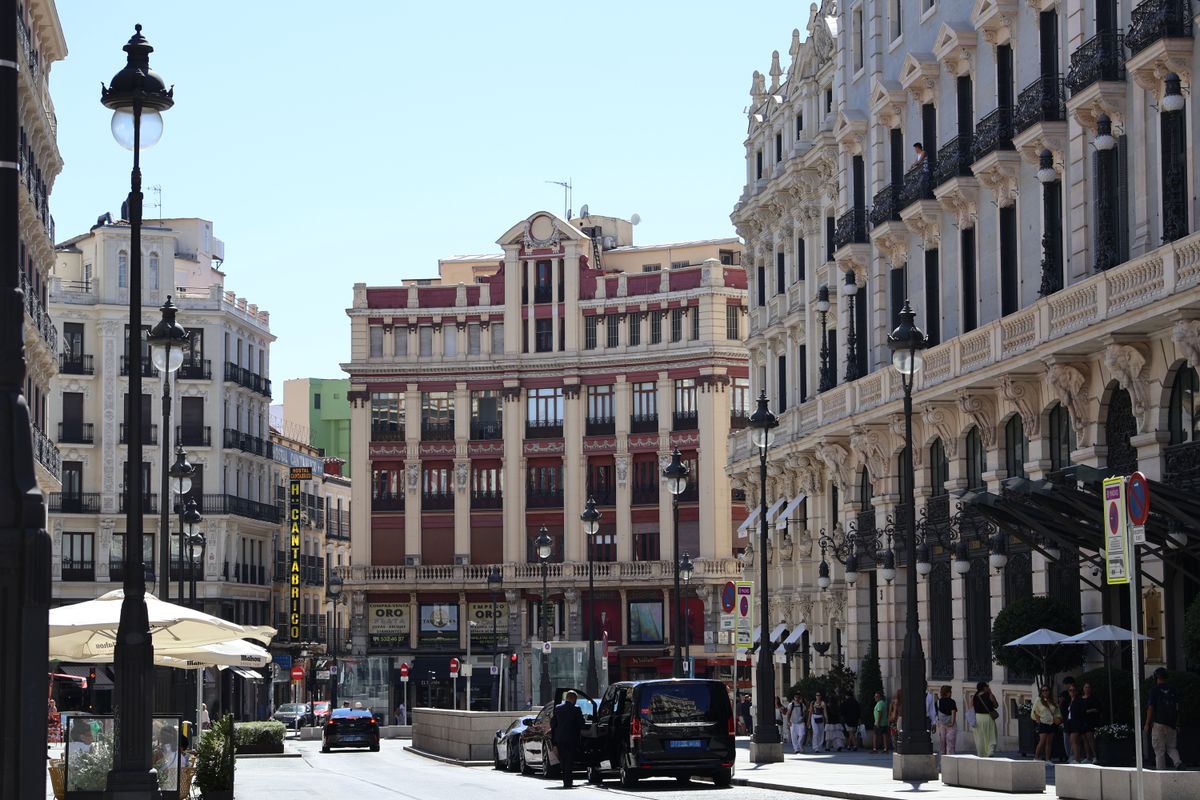
Madrid's metro is one of the best urban rail systems in Europe. It is clean, frequent, air-conditioned, and covers almost every corner of the city. But if you arrive at Barajas Airport staring at a map with 13 lines in every colour imaginable, it can feel overwhelming fast. This guide cuts through the noise and gives you exactly what you need to get around confidently.
Understanding the Lines That Actually Matter for Tourists
You do not need to memorise all 13 lines. For most visitors, five lines do the heavy lifting.
Line 8 runs from the airport directly to Nuevos Ministerios, where you can change onto Line 6 or Line 10. The airport supplement costs around €3 on top of your standard fare, bringing a single journey from Barajas to the city centre to roughly €5. It takes about 25 minutes.
Line 1 (light blue) is the workhorse of the tourist network. It runs north to south and stops at Sol, Tirso de Molina, Antón Martín, and Atocha. If you are staying anywhere near the historic centre, you will use this constantly.
Line 2 (red) connects Sol with Retiro and runs east toward the Golden Triangle of Art museums: Banco de España is the stop for the Prado and the Reina Sofía is on Line 1 at Atocha. Line 2 also reaches Las Ventas bullring and the quieter residential streets of Ventas.
Line 3 (yellow) serves Lavapiés (stop: Lavapiés) and Embajadores, two of Madrid's most culturally interesting and affordable neighbourhoods. Line 5 (green) covers Chueca and Callao, making it useful for Malasaña and the Gran Vía area.
Sol station is where Lines 1, 2, and 3 all converge. It sits at kilometre zero of Spain, the literal geographic and symbolic centre of the country. Every distance in Spain is measured from the plaque outside Sol's entrance on Puerta del Sol. If you get lost, head to Sol and start again.
Tickets, Fares and the Tourist Travel Card
A single metro journey within Zone A (which covers everything tourists visit) costs €1.50 to €2 depending on the number of stops. The smartest option if you are staying more than two days is the Tourist Travel Pass (Abono Turístico). The Zone A version costs €8.40 for one day, €14.20 for two days, €18.40 for three days, and €26.80 for five days. It covers unlimited metro, bus, and suburban rail within the zone.
Buy tickets at any metro station from the automated machines, which have an English language option. You will need a contactless card or cash. Tap your card or ticket on the yellow reader at the turnstile. Do not forget to keep your card out for the exit turnstiles on Line 8 from the airport.
A practical tip: the metro runs from 06:00 to 01:30 every day, and until 02:30 on Fridays and Saturdays. After that, the Búho night bus network takes over from the central hub at Cibeles.
Which Neighbourhoods Are Best Served by Metro
Staying close to a metro hub makes a genuine difference to how much you can see and how tired your feet get by Thursday.
Sol and La Latina are as central as Madrid gets. La Latina has its own stop on Line 5 and puts you within 10 minutes' walk of the Mercado de San Miguel, the Almudena Cathedral, and the Rastro flea market on Sundays. Sol is essentially a superhub for the whole network.
Malasaña and Chueca are served by Tribunal (Line 10) and Chueca (Line 5). Both neighbourhoods are dense with independent restaurants, vintage shops, and late-night bars. It is a 12-minute walk between the two, so staying in either one puts you in reach of both.
Salamanca is Madrid's upmarket district, bordered by Serrano and Velázquez streets. Line 4 runs directly through it with stops at Serrano, Velázquez, and Goya. It is quieter at night but excellent for shopping and proximity to Retiro Park.
If you want to compare hotels by neighbourhood before you arrive, cheaphotelsmadrid.com/chueca/ is a good example of how the site breaks down options by barrio, showing real prices and cancellation terms in one place.
Common Mistakes Tourists Make on the Madrid Metro
The biggest error is confusing direction names. Madrid metro signs show the name of the final station on the line, not compass directions. So on Line 1, you are looking for Valdecarros (south) or Pinar de Chamartín (north). Check the map before you descend to the platform.
Second: do not assume all lines run through Sol. Lines 4, 6, 7, and 8 do not touch Sol at all. Line 6 is a circular line connecting major interchange stations, making it genuinely useful for crossing the city without going through the centre.
Third: validate your ticket every time. Inspectors do check, and the fine for travelling without a valid ticket is €100.
The metro makes getting around Madrid genuinely easy. Pair it with a well-located hotel and you can cover a serious amount of city in a short trip. Over 5,393 hotels in Madrid are listed at cheaphotelsmadrid.com/centro/, starting from €38 per night, with free cancellation on most rooms and every booking removing one tonne of CO2 through IMPT at no extra cost to you.
Questions, answered
Hotels in Madrid
See all stays →Curated picks are coming — meanwhile, the live search covers every bookable property at the same price or better.

%201.jpg?width=960)
