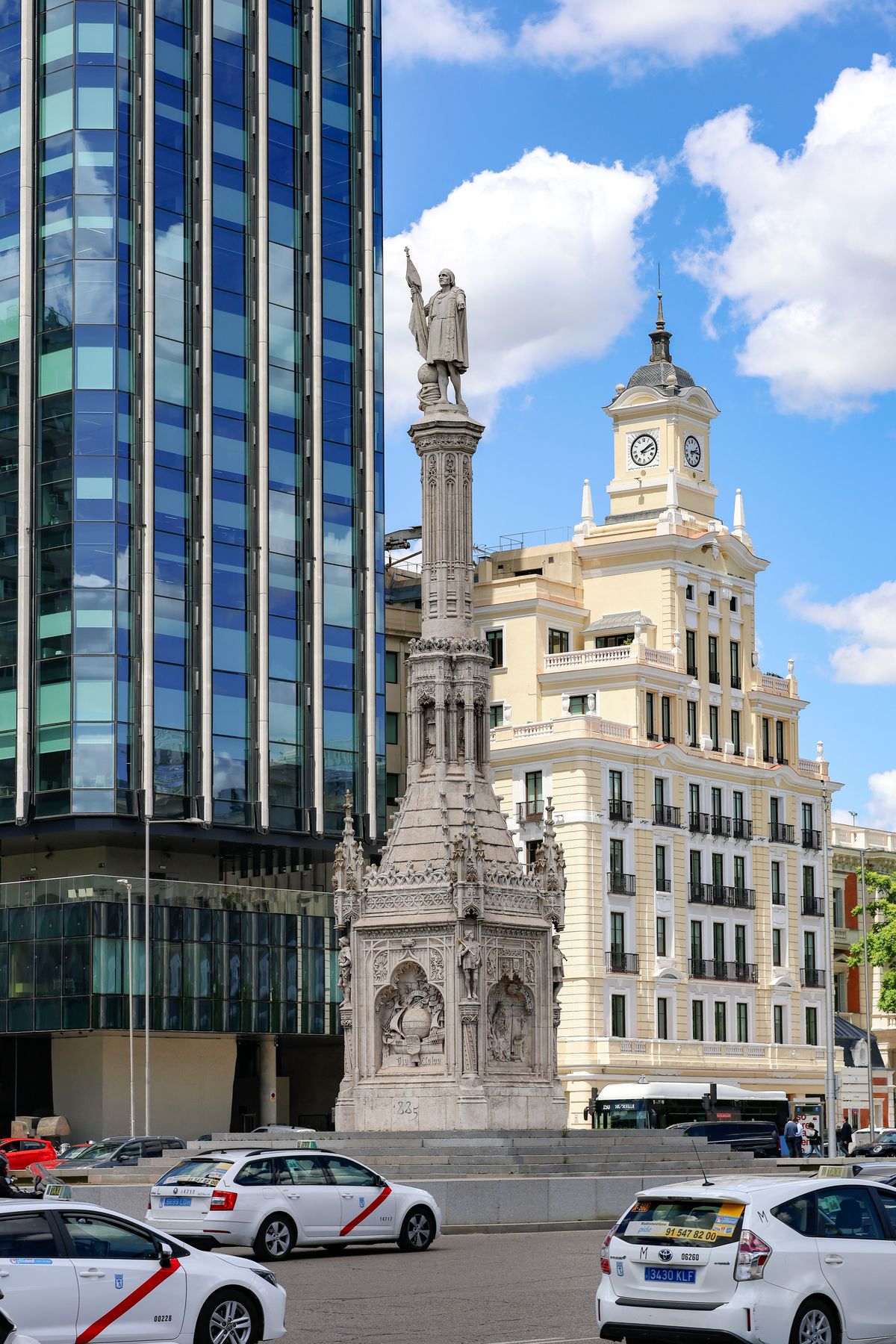
Madrid rewards visitors who slow down. Unlike Barcelona, which can feel like a race between Gaudí sites and pickpocket hotspots, the Spanish capital is built for lingering — long lunches, shaded museum courtyards, a glass of Rioja at a pavement table while the afternoon drifts by. If you are travelling at 50, 60 or beyond and want a city break with genuine depth rather than Instagram checkboxes, Madrid is close to ideal. Here is how to do it well.
Choosing the Right Neighbourhood to Stay In
Where you sleep shapes everything. Sol is the geographic heart of the city — literally kilometre zero of Spain, where L1, L2 and L3 metro lines converge — and it puts you within walking distance of the Prado, the Reina Sofía and the historic Habsburg quarter. That convenience is real, but Sol itself is noisy, tourist-heavy and not always the most relaxing base.
For most over-50 travellers, Salamanca or Chamberí tend to work better. Salamanca, just east of the Retiro park, is an elegant, tree-lined district of wide pavements, excellent restaurants and some of Madrid's best independent shops along Calle Serrano and Calle Jorge Juan. The streets are flat, the pace is calmer, and the food — from traditional Castilian roasts to modern tapas bars — is consistently good. Chamberí, slightly north of the centre, is similarly residential and far less visited by tourists, which gives it an honest, everyday Madrid atmosphere that many repeat visitors prefer.
Lavapiés and Malasaña are vibrant and characterful but involve more hills and uneven cobblestones, which matters more than it sounds after a full day of walking. La Latina on a Sunday, when the Rastro flea market fills the streets around Calle de la Ribera de Curtidores, is worth an hour of anyone's time regardless of where you are staying.
Pacing Yourself: The Madrid Schedule That Actually Works
Madrid operates on a schedule that suits older travellers far better than it suits anxious ones. Breakfast is light and late — a coffee and a tostada con tomate at a neighbourhood bar around 9am. Lunch, the main meal, runs from 2pm to 4pm, and dinner rarely starts before 9pm. Fighting this rhythm is exhausting; accepting it is a pleasure.
A sensible day might look like this: morning at the Prado (book timed entry online, arrive when doors open at 10am to avoid crowds, and take the permanent collection at whatever pace suits you — the Velázquez rooms on the ground floor alone justify the €15 entry fee). Return to your hotel around 1pm for a rest before lunch. Afternoon is for walking: the Retiro park is flat, beautiful and free, and a circuit of the lake takes about 45 minutes at a gentle pace. Evening tapas or a sit-down dinner at 8.30pm or 9pm, then back by metro well before midnight.
The metro is straightforward and fully accessible with lifts at most central stations. A ten-trip tourist card costs around €12.20 and covers every journey you are likely to make within zones A and B1. Sol, the main interchange, connects L1 (light blue), L2 (red) and L3 (yellow), meaning you can reach almost anywhere in the city with at most one change.
What to See Beyond the Obvious
The Prado and the Reina Sofía (home to Picasso's Guernica) are non-negotiable, but Madrid's less-visited museums often give a quieter, more rewarding experience. The Museo del Romanticismo on Calle de San Mateo is a beautifully preserved 19th-century townhouse that most visitors walk straight past. Entry is €3. The Real Academia de Bellas Artes de San Fernando on Calle de Alcalá contains a Goya self-portrait and costs €8; on a weekday morning you may have entire rooms to yourself.
For food, avoid anywhere with a photograph menu near the Puerta del Sol. Walk ten minutes in any direction and prices drop while quality rises. A three-course menú del día with wine costs between €12 and €16 at almost any neighbourhood restaurant outside the tourist corridor, and it remains one of the great bargains in European travel.
Booking Your Hotel: What to Know Before You Search
Cheaphotelsmadrid.com lists 5,393 hotels across every Madrid barrio, with prices starting from €38 per night and free cancellation on most rooms. Rates are the same as you would find on Booking.com, but every stay booked through the site removes one tonne of CO2 from the atmosphere through verified carbon removal projects — a straightforward way to offset the flight without any extra cost.
Hotels are organised by neighbourhood, so you can compare options in Chamberí, Retiro or Lavapiés side by side rather than scrolling through an undifferentiated city-wide list. For most over-50 travellers combining comfort, access to the Retiro and good restaurants, Salamanca is the place to start.
Browse hotels in Salamanca and check availability at cheaphotelsmadrid.com/salamanca/. Free cancellation means you can lock in a good rate now and adjust later if your plans change.
Questions, answered
Hotels in Madrid
See all stays →Curated picks are coming — meanwhile, the live search covers every bookable property at the same price or better.
%2001.jpg?width=960)

