Things to Do in Madrid — Top Activities & Experiences
Madrid rewards every type of traveller: art lovers, food obsessives, football fans, night owls, architecture nerds and anyone who simply wants to sit at a pavement café and watch the world go by. Here's the full picture.
Book your Madrid hotel — 5,393 properties, from €38/night
Search Madrid Hotels →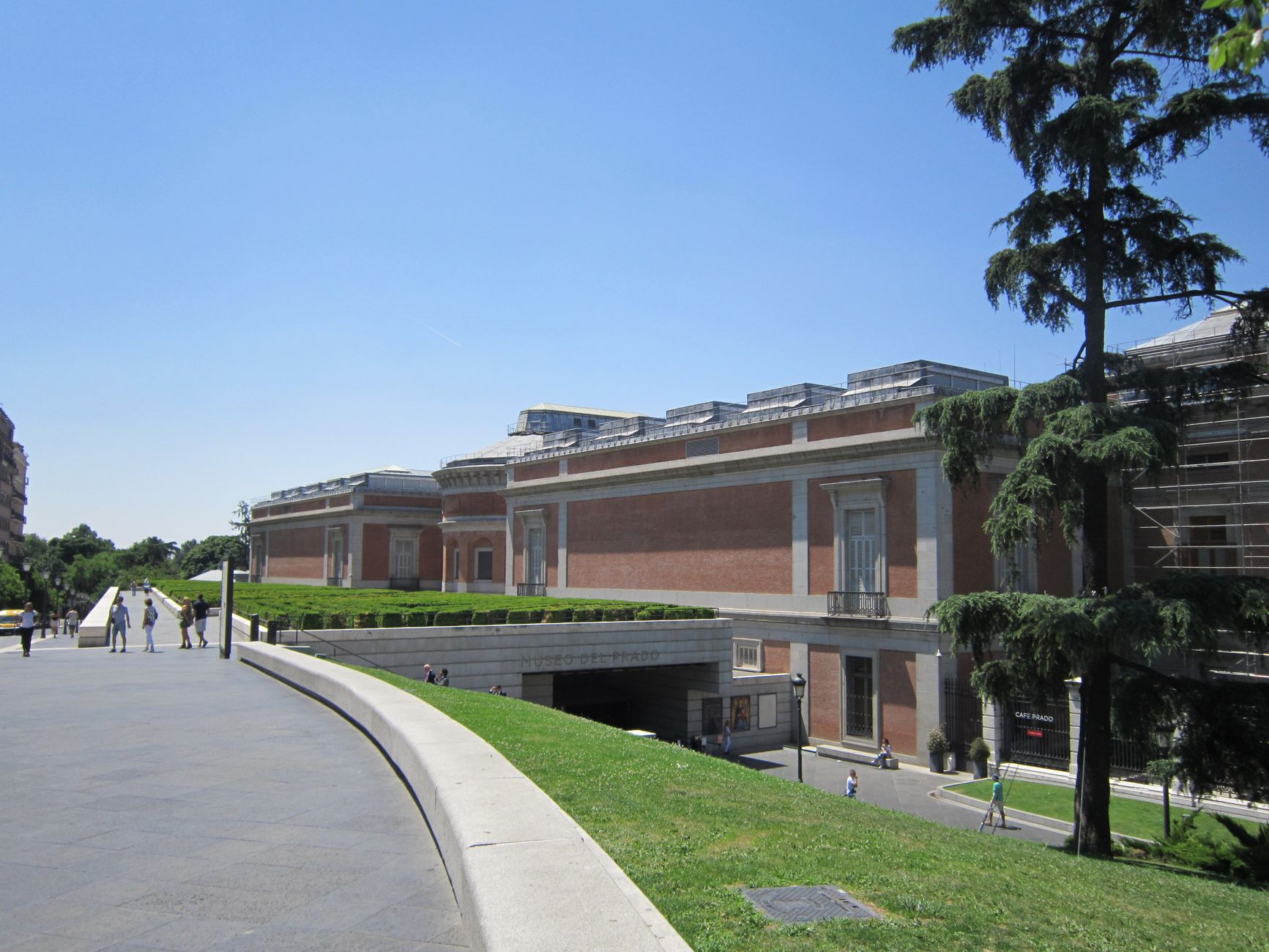
World-Class Museums
Madrid's "Golden Triangle of Art" — the Prado, Reina Sofía and Thyssen-Bornemisza — is one of the greatest concentrations of fine art anywhere on Earth, all within a 10-minute walk of each other near Retiro district.
Museo del Prado
The Prado is Spain's national art museum and one of the world's greatest galleries. Its collection spans from the 12th to early 20th century, but its heart is the Spanish Golden Age: Velázquez's Las Meninas, Goya's Third of May 1808 and the haunting Black Paintings, El Greco's elongated, spiritual figures, and Hieronymus Bosch's The Garden of Earthly Delights. Entry from €15; free Mon–Sat 18:00–20:00 and Sun 17:00–19:00 (long queues during free slots). Book in advance.
Museo Reina Sofía
Spain's national museum of modern and contemporary art, housed in a converted 18th-century hospital near Atocha. The permanent collection includes Picasso's Guernica — the monumental anti-war masterpiece commissioned in response to the Nazi bombing of the Basque town during the Spanish Civil War. Also major works by Dalí, Miró and Juan Gris. From €12; free Monday evenings, Saturday evenings and Sunday mornings.
Thyssen-Bornemisza Museum
The private collection assembled by the Thyssen-Bornemisza family, now in a state-owned palace on Paseo del Prado. The collection is uniquely broad — medieval primitives through to Pop Art, filling the gaps left by the Prado and Reina Sofía. Exceptional Impressionist and German Expressionist holdings. From €13.
Museo Sorolla
The home and studio of Joaquín Sorolla, Spain's greatest Impressionist painter, preserved as a museum in the Chamberí neighbourhood. Intimate, uncrowded and genuinely moving. Free on Mondays. One of Madrid's best-kept secrets.

Parks & Green Spaces
Parque del Retiro
Madrid's equivalent of Central Park — 350 acres in the heart of the city, free to enter and open from 06:00 to midnight. The main attractions: the Estanque Grande lake (rowboat hire ~€6/30 min), the Palacio de Cristal (stunning 19th-century iron and glass exhibition hall, free entry), the rose garden (Rosaleda), puppet shows at the weekend, and seemingly endless shaded paths for walking. In summer the park hosts outdoor concerts. Connecting to Retiro district, it's one of Madrid's greatest assets.
Casa de Campo
Madrid's largest park — nearly 1,800 hectares of mixed woodland and open space west of the city, larger than the city's central area. Includes Madrid Zoo, Parque de Atracciones theme park, a lake, cycling paths and mountain biking trails. Take the cable car (Teleférico) from Parque del Oeste for spectacular views over the city and into Casa de Campo.
Food: Markets, Tapas & Churros
Tapas Crawl in La Latina / Embajadores
The definitive Madrid food experience. Head to Embajadores / La Latina — specifically Calle de la Cava Baja and Calle de la Cava Alta — on a Friday or Saturday evening from 20:00. Bar-hop through the street, stopping for a caña (small beer) and a tapa at each — jamón, croquetas, patatas bravas, boquerones en vinagre. The whole street is one long tapas experience and costs €25–35pp for a full evening.
Mercado de San Miguel
An upscale covered food market steps from Sol and Plaza Mayor. Oysters, jamón, anchovies, wine, fresh juice, pastries — quality is high and so are the prices, but it's a brilliant place to graze through an afternoon. Open daily 10:00–midnight.
Chocolatería San Ginés
Madrid's most famous churros institution, open 24 hours, steps from Sol. Thick hot chocolate for dipping, freshly fried churros, marble tables, a tiled interior unchanged since 1894. Go at 06:00 after a long night out, or mid-afternoon when the queues are shortest. Don't miss it.
Mercado de Antón Martín
The neighbourhood market in Huertas — less touristy than San Miguel, more local. Good value, excellent fresh produce and a handful of good lunch spots. The upper floor has a food hall with Japanese, Vietnamese and other international food.
Football: Real Madrid & Atlético de Madrid
Estadio Santiago Bernabéu
Real Madrid's home is one of the world's most famous football stadiums, recently renovated with a retractable roof and a spectacular exterior. Stadium tours run daily from €25pp. Match tickets are harder to come by — book through the official Real Madrid website months in advance for big games. The Bernabéu is in the Chamartín area, north of centre, on Metro Line 10.
Estadio Cívitas Metropolitano
Atlético de Madrid's modern stadium in the east of the city. Stadium tours available. A derby (El Derbi madrileño) between Real and Atlético is one of European football's great occasions.
Culture: Flamenco, Street Art & Summer Festivals
- Flamenco shows — Corral de la Morería (near Palacio barrio), Villa Rosa (Huertas), Casa Patas (Lavapiés). Book in advance. From €35pp. See the romantic Madrid guide for details.
- Street art in Malasaña and Lavapiés — both neighbourhoods have outstanding murals and public art. Self-guided walking routes widely available online.
- Veranos de la Villa — Madrid's free summer cultural festival runs July–September, with open-air concerts, dance performances and cinema at venues across the city. All free or very low cost. Check the Madrid city website for the programme.
Shopping
Salamanca District — Luxury & Designer
Salamanca district is Madrid's upscale shopping neighbourhood: Prada, Loewe, Carolina Herrera, Manolo Blahnik and the full spectrum of Spanish and international luxury along Calle de Serrano, Calle de Velázquez and Calle de Jorge Juan. The neighbourhood also has excellent Spanish mid-range fashion brands at more approachable prices.
El Rastro Sunday Flea Market
Every Sunday 09:00–15:00 in Embajadores / La Latina. Around 1,000 stalls covering antiques, vintage clothing, records, books, art prints and general junk. One of Europe's great flea markets. Go early. See the weekend guide for practical tips.
El Corte Inglés Gran Vía
Spain's iconic department store chain has its flagship Madrid location on Gran Vía. Everything from fashion to electronics to food. The basement supermarket is excellent for Spanish products to take home.
Day Trips from Madrid
- Toledo (45 min by AVE from Atocha) — UNESCO World Heritage medieval city. Cathedral, Alcázar, narrow streets. From €10 advance on Renfe.
- Segovia (30 min by AVE from Chamartín) — Roman aqueduct (2,000 years old, still standing), fairy-tale Alcázar castle. One of Spain's most beautiful small cities.
- Ávila (1h30 by train) — completely intact medieval walls encircling the entire old city. Birthplace of Santa Teresa. Extraordinary and under-visited.
- El Escorial (1h by Cercanías train from Atocha) — Philip II's vast royal monastery-palace in the mountains northwest of Madrid. Austere and magnificent.
Architecture & Landmarks
- Palacio Real (Royal Palace) — exterior free to walk past, interior visits from €12. The largest royal palace in Western Europe by floor area. Near Palacio barrio.
- Fuente de Cibeles — the goddess Cibeles on a lion-drawn chariot at the junction of Paseo de la Castellana and Calle de Alcalá. Real Madrid's celebration fountain.
- Gran Vía — the great boulevard lined with Art Deco and Baroque buildings from the early 20th century. Walk the full length from Plaza de España to Calle de Alcalá.
- Puerta de Alcalá — neoclassical triumphal arch at the entrance to Retiro park. One of Madrid's most elegant landmarks.
Find the perfect base for your Madrid activities
Browse Madrid Hotels →More Madrid Guides
- Madrid Weekend Break — 2-night itinerary
- 24 Hours in Madrid — the best one-day itinerary
- Madrid Tapas Guide
- Madrid Nightlife Guide
- Romantic Madrid — things to do for couples
- When to Visit Madrid
Frequently Asked Questions
What is Madrid most famous for?
Madrid is most famous for its world-class art museums (the Prado, Reina Sofía with Picasso's Guernica, and the Thyssen-Bornemisza), its legendary nightlife culture, outstanding food and tapas scene, Real Madrid football, the Parque del Retiro, and its status as Spain's energetic and cosmopolitan capital.
How many days do you need in Madrid?
Three to four days is the sweet spot for a first visit to Madrid — enough time for the three main museums, Retiro park, a proper tapas crawl, El Rastro market (Sunday only) and a nightlife evening. With a week you can add day trips to Toledo or Segovia and explore outer neighbourhoods like Chamberí or Malasaña at leisure.
What is free to do in Madrid?
Many of Madrid's best experiences are free: Parque del Retiro (always free), Templo de Debod grounds, walking Gran Vía, Plaza Mayor, El Rastro Sunday market, and the Prado, Reina Sofía and Thyssen museums all have free entry periods. Summer brings free outdoor concerts through the Veranos de la Villa festival.
What is Madrid nightlife like?
Madrid nightlife is legendary — dinner starts at 22:00, bars fill up at 23:00 and clubs run from 02:00 to 06:00 or later. The best areas are Malasaña (indie/rock), Chueca (LGBTQ+ and inclusive), Huertas (craft beer and jazz) and Lavapiés (alternative and multicultural). See the full Madrid nightlife guide for details.