Madrid Travel Guide — Everything You Need to Know Before You Go
Madrid is Spain's capital and its most energetic city — world-class art, extraordinary food, late-night culture and a genuinely warm welcome. This guide covers everything from landing at the airport to finding your favourite bar.
Find your perfect Madrid hotel — 5,393 properties, from €38/night
Search Hotels in Madrid →Getting to Madrid
By Air — Adolfo Suárez Madrid–Barajas Airport (MAD)
Madrid's international airport is one of Europe's major hubs, with direct flights from across the Americas, Asia, Africa and Europe. The airport has four terminals: T1, T2 and T3 are connected; T4 (used by Iberia, Vueling and British Airways) is separate but served by a free shuttle bus and the Metro.
Airport to city centre options:
- Metro Line 8 — from T2 or T4 to Nuevos Ministerios (30–40 minutes). Single ticket €5 (includes €3 airport supplement). Change at Nuevos Ministerios for Lines 6 or 10 to reach Sol or the centre.
- Exprés Aeropuerto bus — runs 24h (hourly at night) between the airport and Atocha/Cibeles. €5 flat. Quick and easy.
- Taxi — flat rate of €33 to anywhere within the M-30 ring road. Reliable and stress-free with luggage.
- Uber/Cabify — available from the airport, sometimes cheaper than a taxi.
By Train — AVE High-Speed Rail
Spain's AVE high-speed network makes Madrid highly accessible from across the country:
- Barcelona — 2h30, trains hourly from Atocha, from €25 advance
- Seville — 2h30, from Atocha
- Valencia — 1h45, from Atocha
- Málaga — 2h30, from Atocha
- Bilbao — 5h by conventional train from Chamartín
Atocha station is centrally located near the Prado Museum and Retiro district. Book AVE tickets at renfe.com well in advance for the best prices.

Getting Around Madrid
Metro
Madrid's Metro is excellent: 12 lines, 300+ stations, clean, frequent and cheap. A single ride costs €1.50–2 depending on zones. The Metrobus 10-trip card costs €12.20 and works on both Metro and buses — great value. The Metro runs from about 06:00 to 01:30 (until 02:30 Friday–Saturday). Buy cards at any ticket machine; they're rechargeable.
City Buses (EMT)
The EMT bus network covers areas the Metro misses. €1.50 per single ride. Night buses (Búho/Owl lines) run from Plaza de Cibeles from midnight to 06:00, covering most of the city. The 10-trip Metrobus card works on buses too.
BiciMAD Bike Share
Madrid's electric bike share scheme has 270+ stations across the city. Day pass around €2, with rides under 30 minutes free. Excellent for flat central areas. Register online or at stations.
Walking
Central Madrid is surprisingly walkable. From Sol to the Prado: 20 minutes. Sol to Malasaña: 15 minutes. Sol to La Latina: 10 minutes. For the main tourist attractions, you can cover a lot on foot.
Essential Madrid Info
Currency
Euro (€). ATMs are widely available. Card payments accepted almost everywhere, though some small bars and markets prefer cash. Withdraw euros from a bank ATM to avoid exchange bureau fees.
Language
Spanish (Castilian). In tourist areas, hotels and major restaurants, English is widely spoken. Learning a few Spanish phrases goes a long way — gracias, por favor, una cerveza. Locals genuinely appreciate the effort.
Tipping
Not mandatory in Spain. At restaurants, rounding up or leaving 5–10% is appreciated but not expected. For coffees or small bar tabs, leave the change. Taxi drivers — rounding up to the nearest euro is standard.
Safety
Madrid is generally a safe city. The main concern is pickpockets, particularly around Sol, Gran Vía and on the Metro. Use an inside pocket or a bag with a zip. The emergency number is 112 (works for police, ambulance and fire throughout Spain).
Electricity
220V, Type F plugs (two round pins). UK visitors need an adapter; US visitors need an adapter and voltage converter (though most electronics are dual-voltage — check your device).
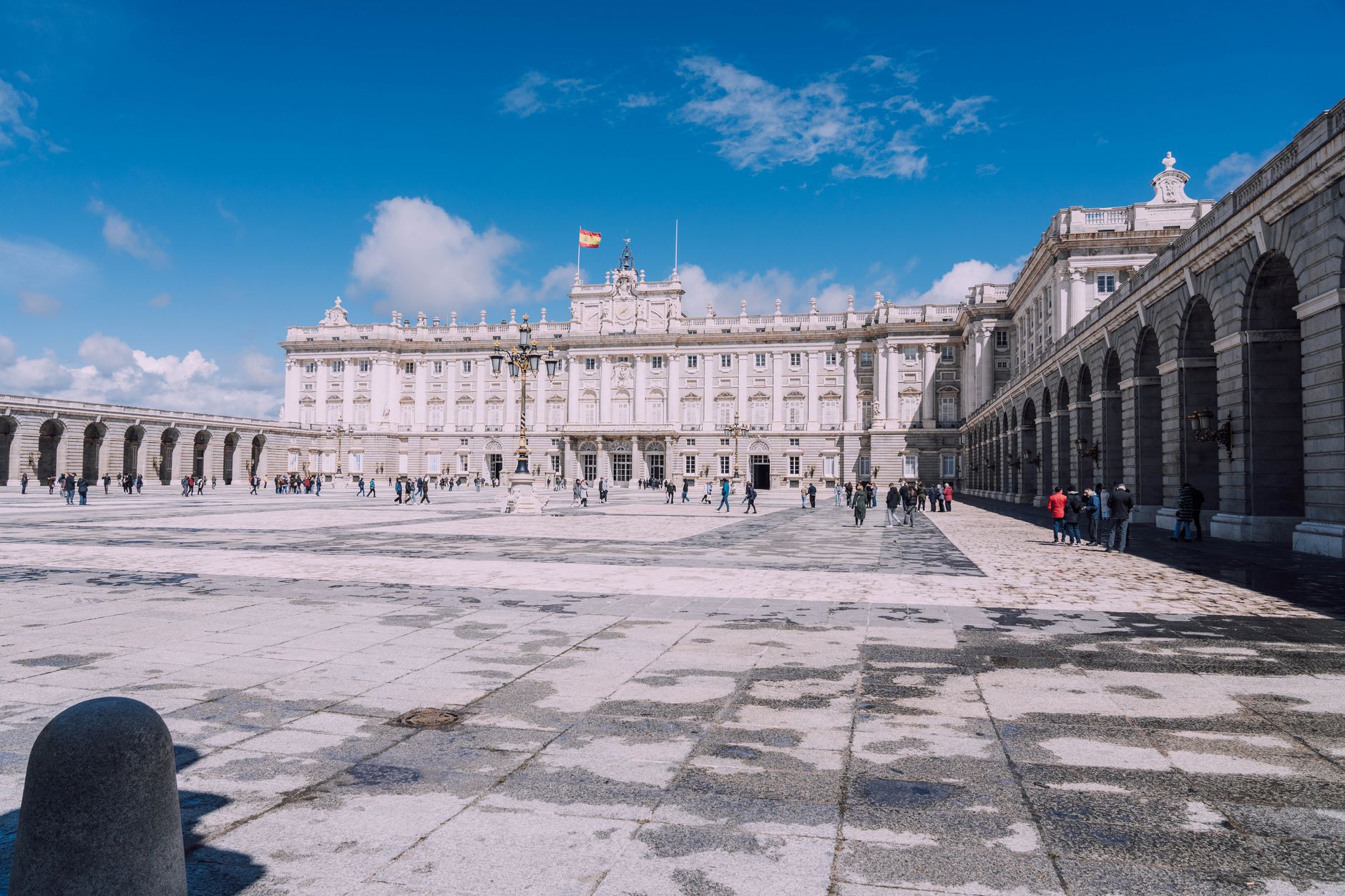
Best Time to Visit Madrid
Spring (April–May) and autumn (September–October) are ideal — mild weather, manageable crowds and good hotel prices. Summer (July–August) is extremely hot and can exceed 38°C; August sees many locals leave for the coast, which means some restaurants close. Winter is cold but festive, with Christmas lights on Gran Vía and the famous New Year's Eve countdown at Puerta del Sol. Read the full when to visit Madrid guide for a month-by-month breakdown.
Budget Planning
| Category | Budget | Mid-Range |
|---|---|---|
| Hotel/night | €25–40 (hostel) | €70–120 |
| Meals/day | €20–30 | €40–65 |
| Transport | €5–8 (Metro) | €10–15 |
| Museums | Free–€15 | €30–50 |
| Daily total | ~€60 | ~€120 |
Visas & Entry
Madrid and Spain are part of the Schengen Area. EU/EEA citizens can enter with a national ID card. UK citizens (post-Brexit) need a valid passport and can stay up to 90 days in any 180-day period without a visa. US, Canadian, Australian and most other Western nationalities can also enter visa-free for 90 days. Check your specific country's requirements at the Spanish consulate website if in doubt.
Plan your trip — book your Madrid hotel now
Find Available Hotels →More Madrid Guides
- 24 Hours in Madrid — the perfect one-day itinerary
- Madrid Tapas Guide — best bars and what to order
- Madrid Weekend Break — 2-night itinerary
- When to Visit Madrid — month-by-month breakdown
- Things to Do in Madrid — full activities guide
- Best Museums in Madrid — the Prado, Reina Sofía and more
Frequently Asked Questions
How do I get from Madrid airport to the city centre?
The easiest option is Metro Line 8 from any terminal to Nuevos Ministerios, then change for the city centre (around 30–40 minutes total, €5 including the airport supplement). Taxis cost around €33 flat rate to the city centre. The Exprés Aeropuerto bus runs to Atocha for €5 and operates 24 hours.
What is the best way to get around Madrid?
The Madrid Metro is excellent — 12 lines covering the whole city, €1.50–2 per single ride. Buy a 10-trip Metrobus card for €12.20. Central Madrid is also very walkable — Sol to Prado is about 20 minutes on foot. Taxis and Uber are affordable for late nights.
When is the best time to visit Madrid?
Spring (April–May) and autumn (September–October) are the best times to visit Madrid. Temperatures are mild (16–24°C), crowds are manageable and hotel prices are reasonable. July and August can be extremely hot (35–38°C). October is arguably the single best month.
How much does a trip to Madrid cost?
Madrid is a mid-range European capital. Budget travellers can manage on €60–80/day (hostel, cheap meals, free museums). Mid-range travellers spending €100–150/day will have a very comfortable trip. A budget hotel costs €70–120/night. Meals at a decent restaurant cost €15–25 per person.