Chueca vs Malasaña: Best Area for Your Madrid Trip?
Chueca vs Malasaña: Best Area for Your Madrid Trip? — Madrid
Chueca (Justicia barrio) and Malasaña (Universidad barrio) are neighbours but with distinct personalities. Here's how to choose between them.
At a glance
Hotels200
From€38/night
Star ratings1★ to 5★
Free cancellation✓ Most rooms
Chueca vs Malasaña — An honest comparison
Chueca and Malasaña are neighbours but not twins. Both sit north of Gran Vía, both attract a creative, younger crowd — but they feel different in ways that matter when you're choosing where to base yourself in Madrid.
Chueca — polished, social, LGBTQ+ heartland
Chueca is Madrid's most welcoming neighbourhood and the centre of the city's LGBTQ+ community. The streets around Calle Pelayo and Calle Hortaleza are lined with independent restaurants, cocktail bars and boutique hotels. It's lively, safe and social — but also gentrified. Chueca feels European-cosmopolitan. Restaurants take reservations. Bars stay open late. The Pride festival in July makes it the city's most vibrant spot for that week.
Hotels in Chueca are generally well-maintained boutique properties. Prices are slightly higher than Malasaña but justify the premium if you value a polished, social environment with easy metro access to everywhere.
Malasaña — raw, creative, the real Madrid underground
Malasaña (officially called Universidad barrio) is where La Movida Madrileña happened — the countercultural explosion of the late 1970s and 80s that shaped modern Spanish culture. It's never fully shaken that energy. Calle del Pez, Calle de la Palma and the streets around Plaza del Dos de Mayo are lined with vintage shops, specialty coffee, craft beer bars and murals. Malasaña attracts artists, students, musicians and travellers who want something that feels genuinely alternative.
Hotels in Malasaña tend to be slightly cheaper than Chueca with more budget options. The trade-off is that some streets can feel more rough-around-the-edges, particularly late at night.
The verdict: who should stay where
Stay in Chueca if: you want nightlife with a social scene, LGBTQ+ welcoming hotels, good restaurants within walking distance, slightly more polished environment.
Stay in Malasaña if: you want the indie/alternative scene, vintage shops and craft coffee, slightly lower prices, and the authentic feel of a neighbourhood that hasn't been entirely smoothed out by tourism.
Both are 10–12 minutes' walk from Sol and served by the same metro area (Tribunal, Gran Vía, Chueca stations). You genuinely can't go wrong with either choice — the hotels listed below cover both neighbourhoods so you can compare directly.
Chueca vs Malasaña: Two Neighbourhoods, Two Completely Different Stays
Both sit north of Gran Vía, 10 minutes' walk from Sol, and share a border at Calle de Fuencarral. But step into each and the atmosphere shifts immediately. This guide gives you the honest comparison so you can pick the one that matches your trip.
Find hotels in Chueca or Malasaña →Chueca: Polished, Vibrant, LGBTQ+ Hub
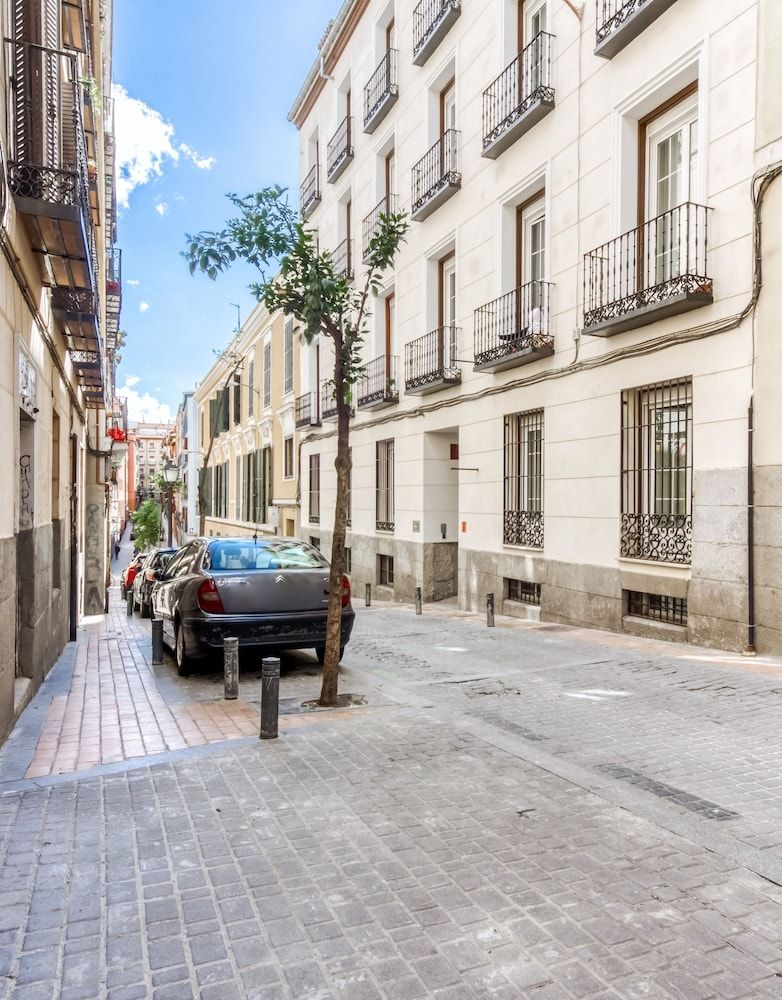
Chueca is Madrid's established LGBTQ+ neighbourhood and one of the city's most socially progressive barrios. The streets around Plaza de Chueca and Calle de Pelayo are well-lit, clean, lined with design-forward bars, independent restaurants, and boutique shops. The atmosphere is social without being chaotic — people drink on pavement terraces until 02:00 but it never feels threatening.
Best streets: Calle de Pelayo (bars, restaurants), Calle de Augusto Figueroa (small restaurants, vintage), Fuencarral (shopping, connects to Malasaña). Metro: Chueca (L5) or Alonso Martínez (L4/5/10).
Hotels in Chueca: Tend toward boutique and design properties. Generally cleaner finish than Malasaña equivalents. Prices: €90-160 for character properties. Budget options exist on Calle de Augusto Figueroa.
Malasaña: Indie, Younger, More Alternative
Malasaña is the barrio that resisted gentrification longest and still has the best record shop (La Metralleta, basement of a 1970s building near Plaza del Dos de Mayo), the best Saturday vintage market (El Rastro's cousin, on Calle de la Palma), and the most diverse bar scene of any central Madrid neighbourhood.
The atmosphere is slightly younger and louder than Chueca. Friday/Saturday nights on Calle del Pez and Calle de la Luna involve pavement crowds until 04:00. Streets are safe but busy. Hotels: more budget 2-3 star options than Chueca, concentrated on Calle del Pez, Calle Espíritu Santo and surrounding streets.
Metro: Tribunal (L1/10, best for most of Malasaña) or Noviciado (L2, western edge). Flat walk to Gran Vía: 10 minutes south.
Choose Chueca if...
You want design-forward hotels, a polished social atmosphere, LGBTQ+ friendly venues, or quieter mornings. Slightly more upscale feel throughout.
Choose Malasaña if...
You want the indie scene, more budget options, the best café culture in Madrid, a younger crowd, or the city's best vintage and music shops.
Both are wrong if...
You want complete quiet. Either barrio is livelier than Salamanca or Chamberí at night. If you need silence, look further north.
Practical Comparison
Distance between them: a 10-minute walk along Calle de Fuencarral. You can easily base in one and spend evenings in both. For value: Malasaña edges it. For design and finish: Chueca edges it. For LGBTQ+ travellers: Chueca is the obvious choice, though Malasaña is also welcoming.
Search hotels in Malasaña and Chueca →Book Through IMPT — Same Price, Less Carbon
IMPT lists every hotel at the identical rate to Booking.com. 1 tonne of verified CO₂ retired per booking.
Find your Madrid hotel →Chueca vs Malasaña: Best Area for Your Madrid Trip?
View all on IMPT →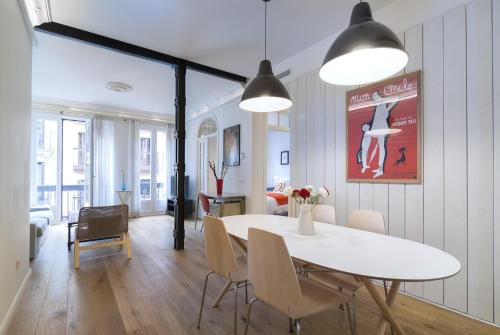

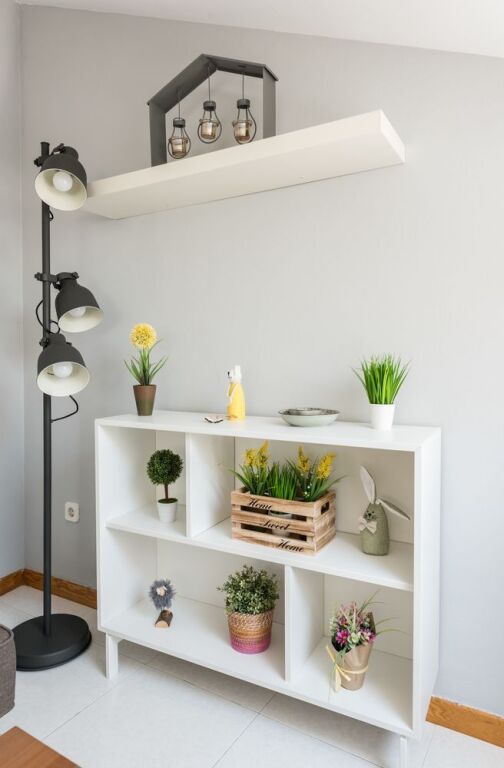
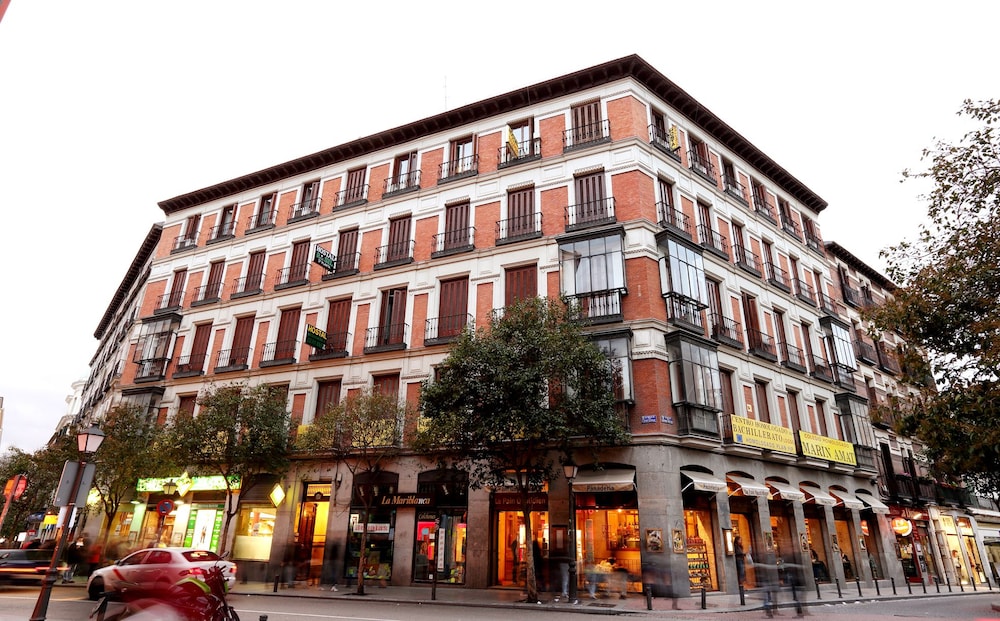
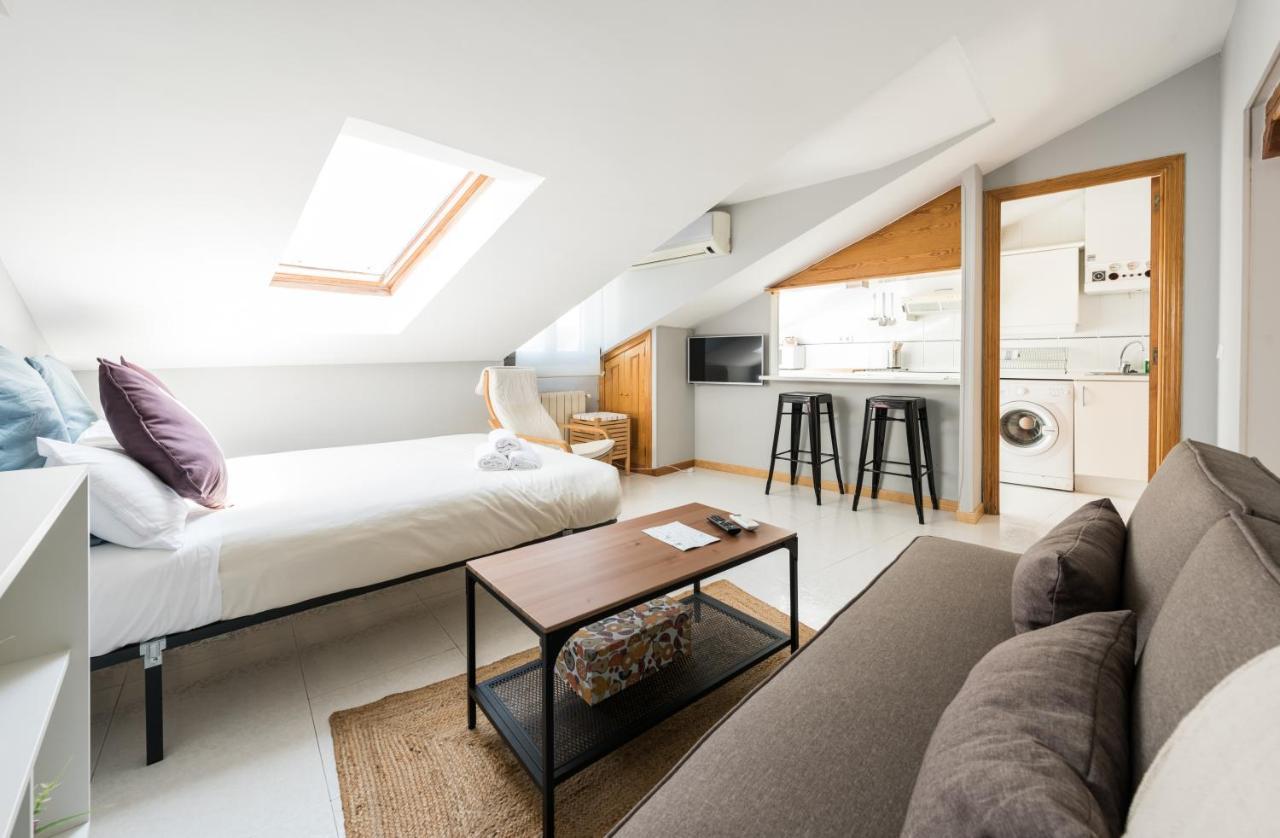



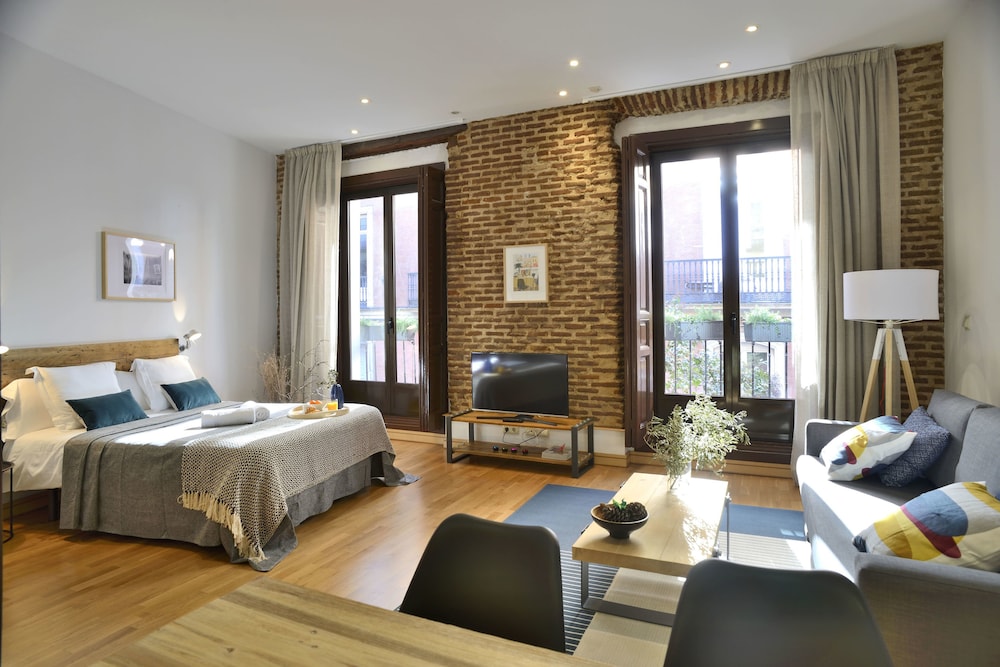
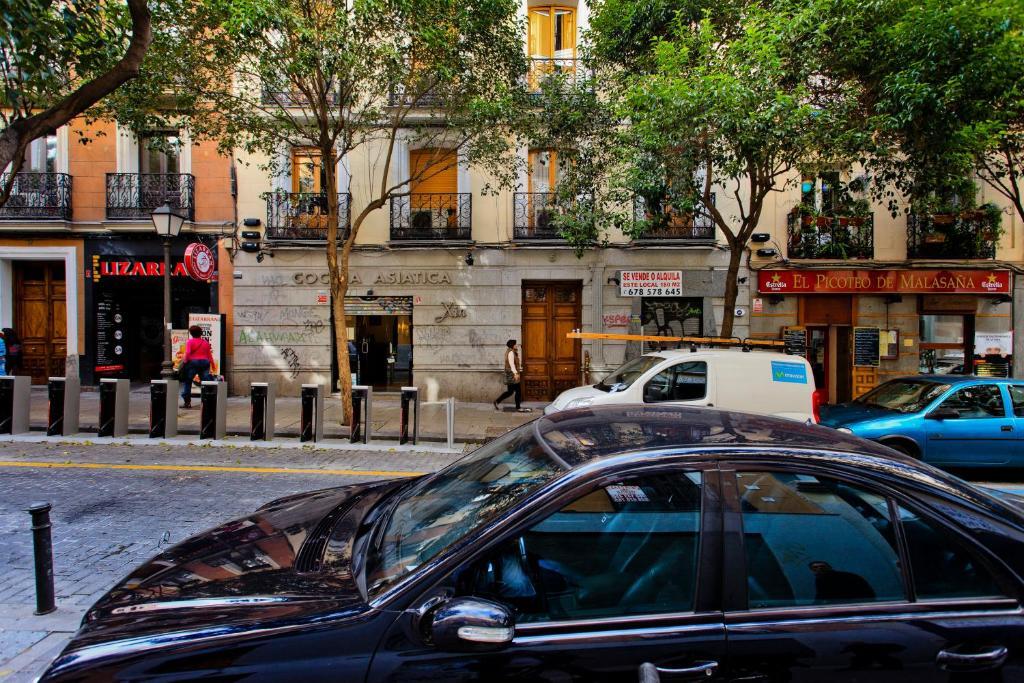
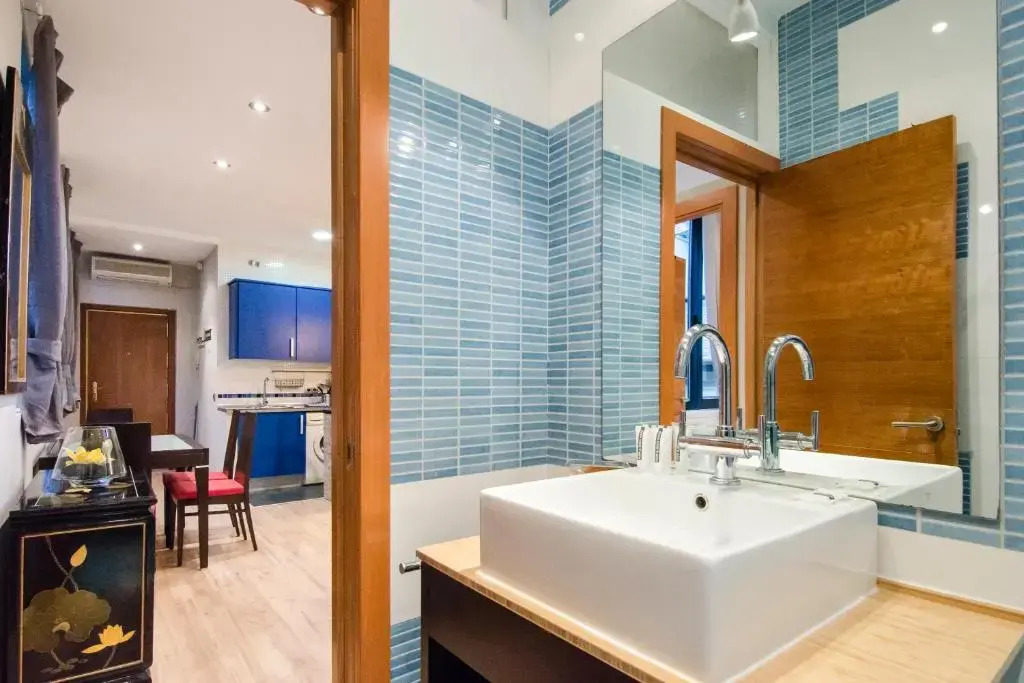
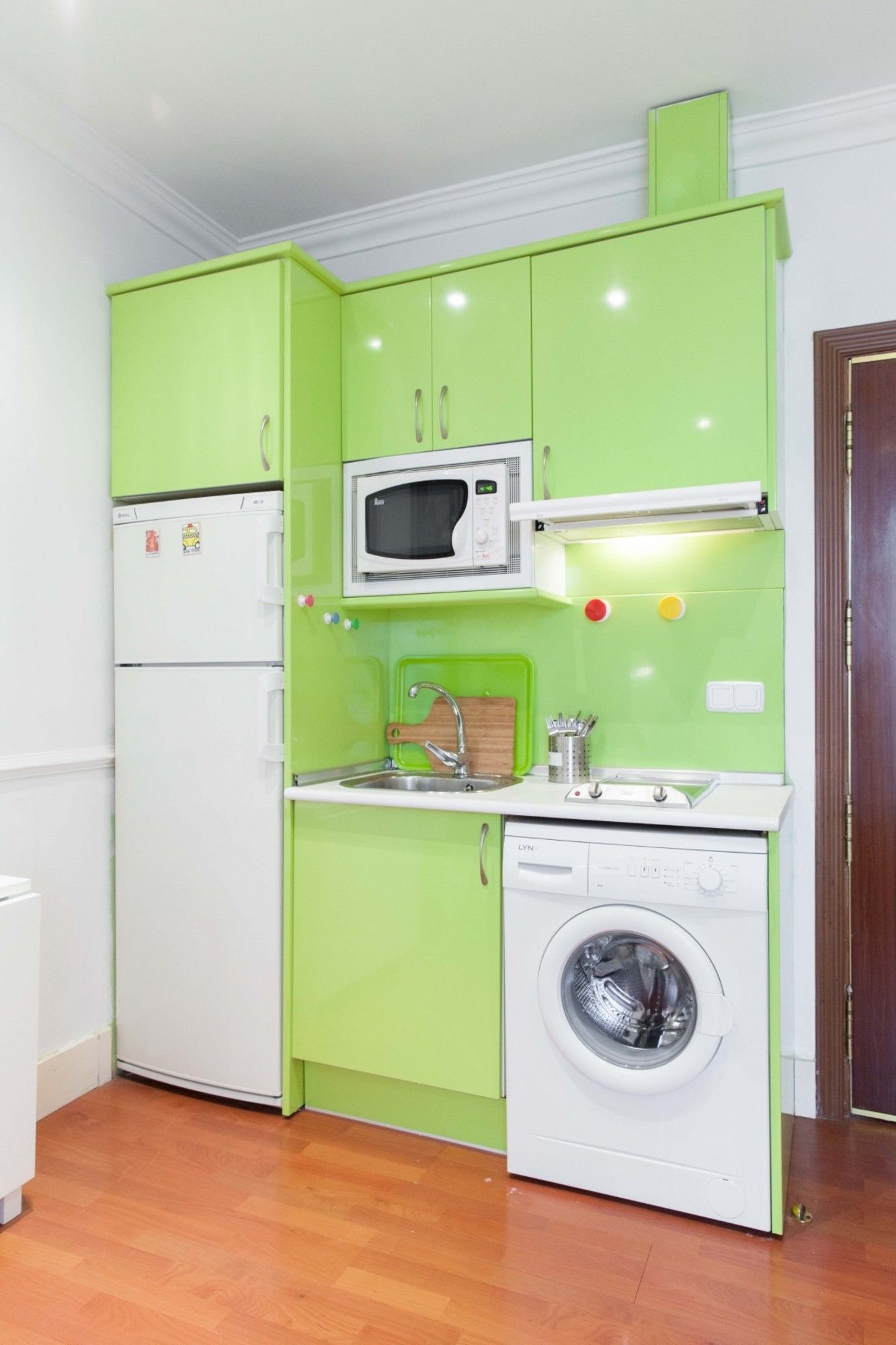
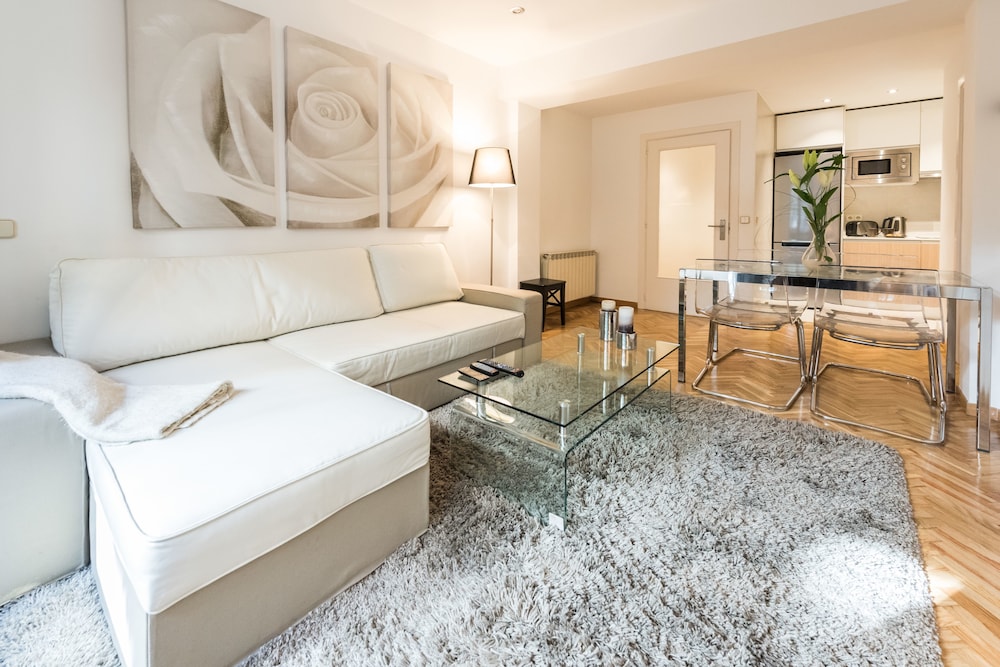
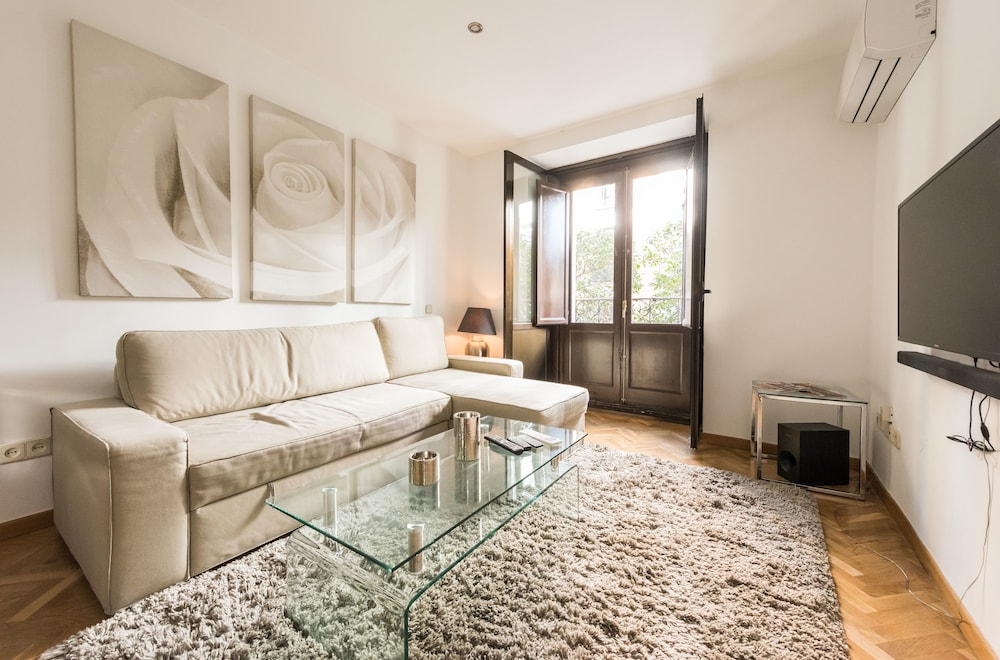
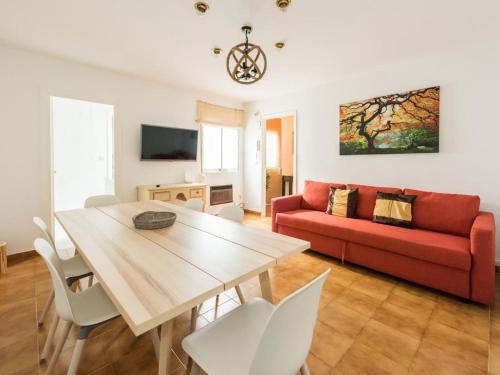
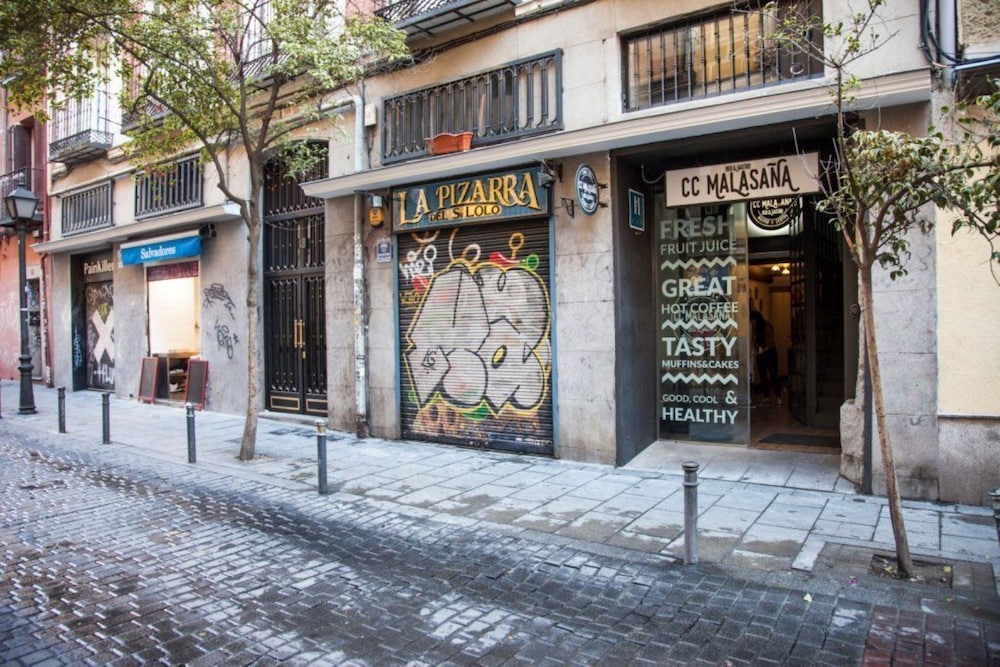
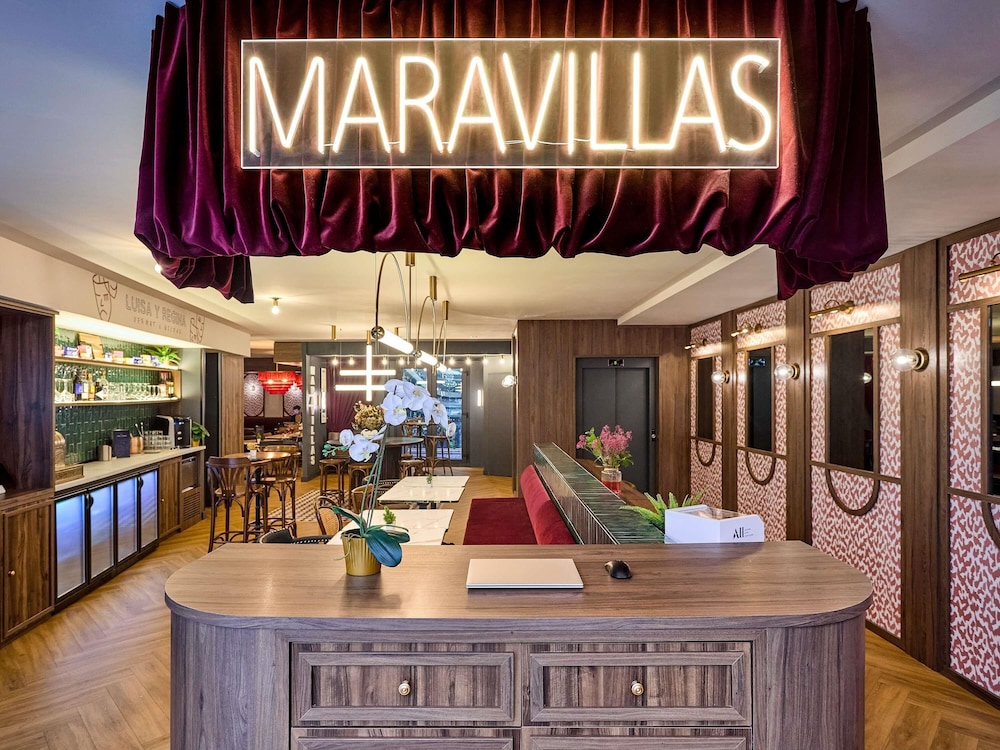
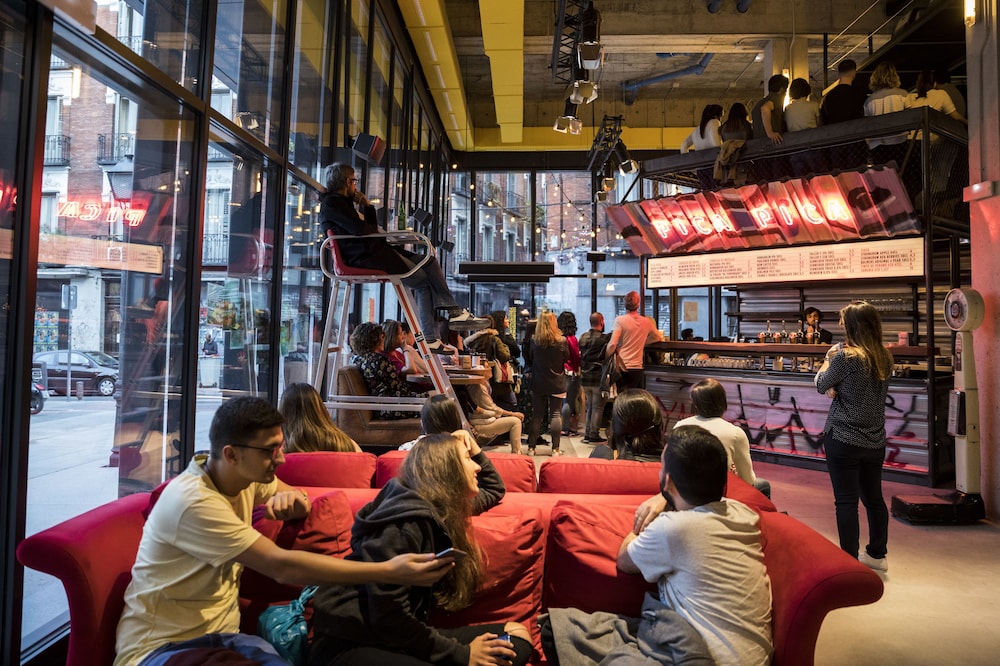
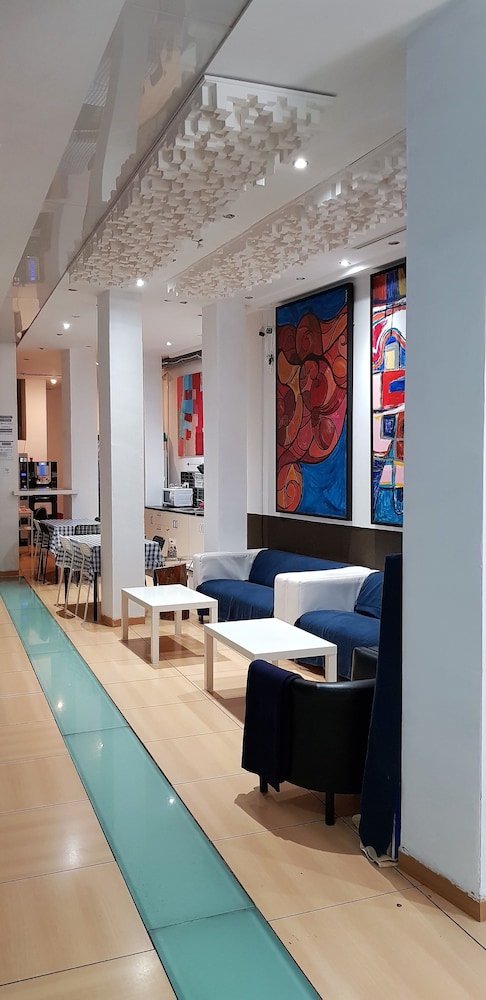
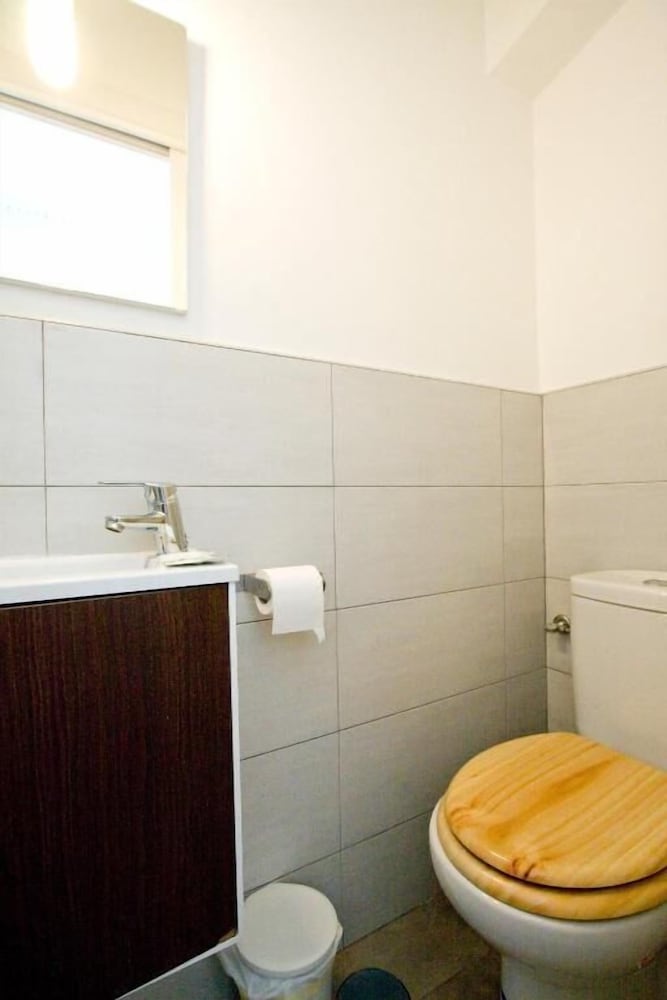
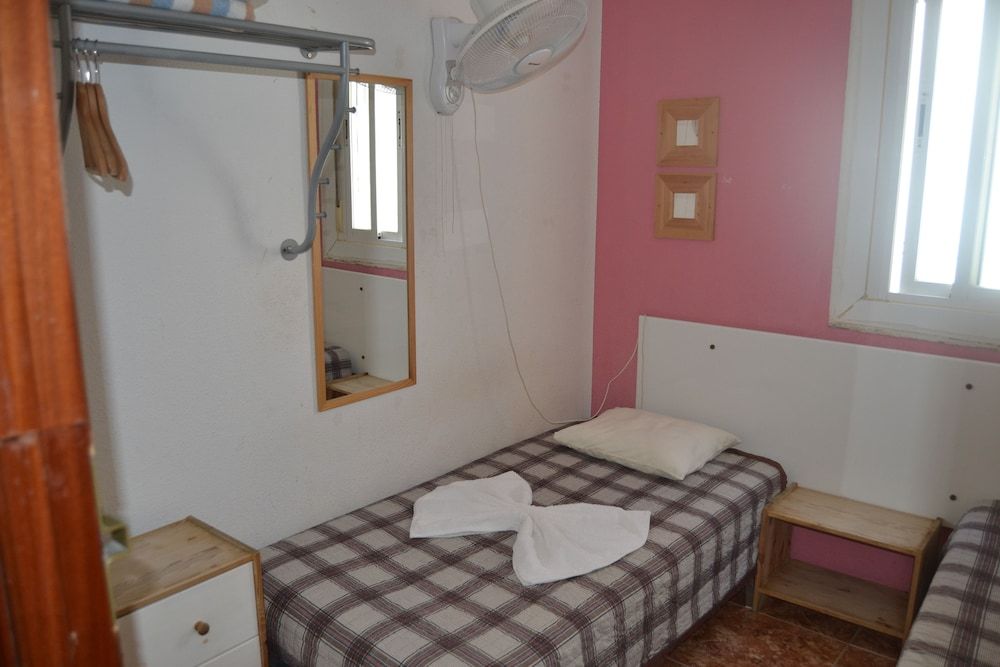
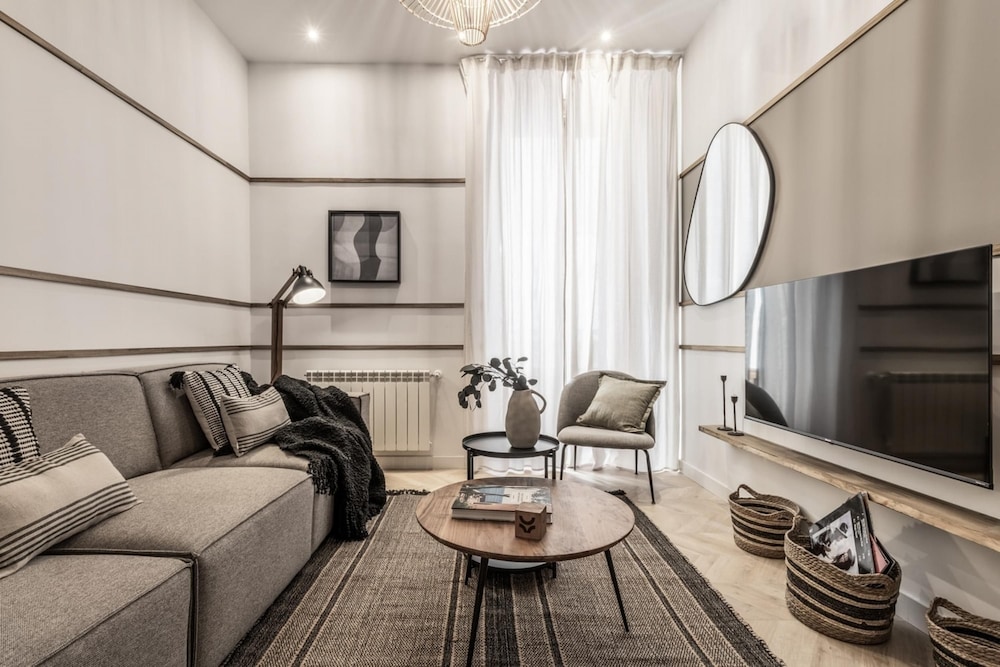
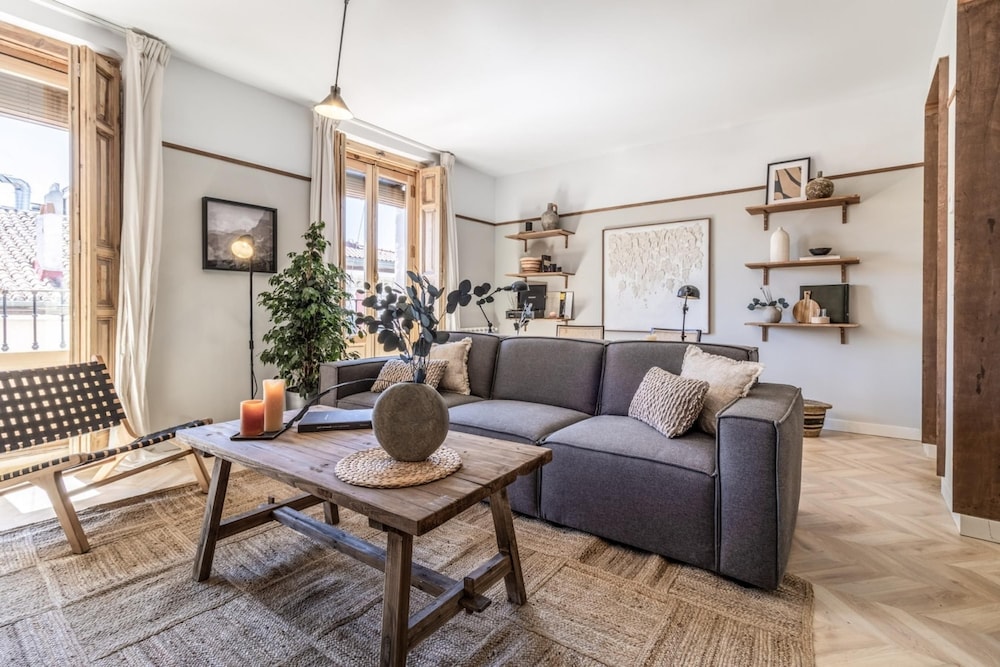
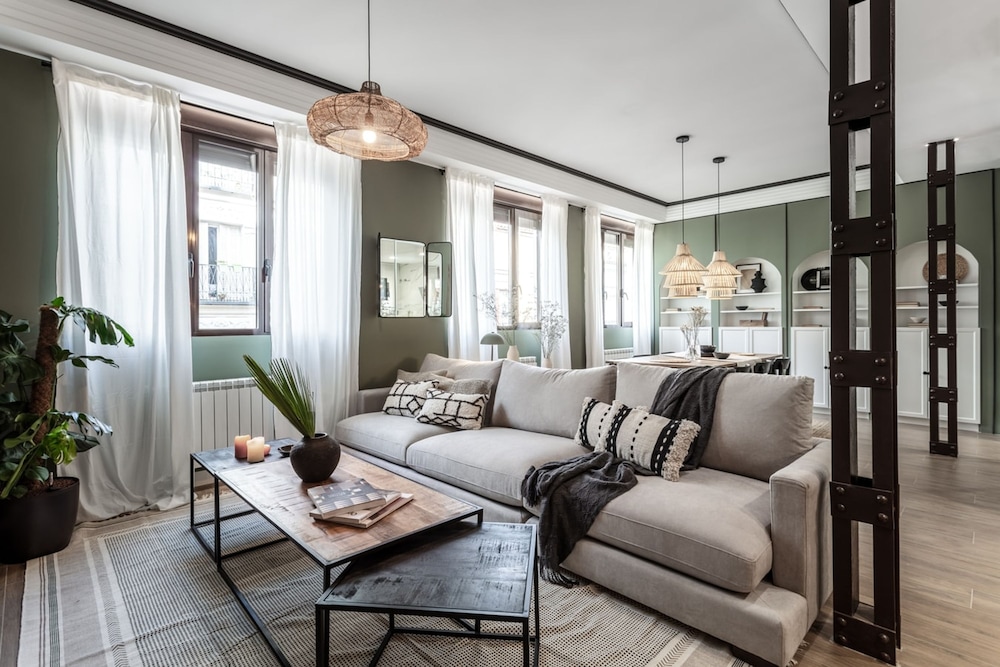
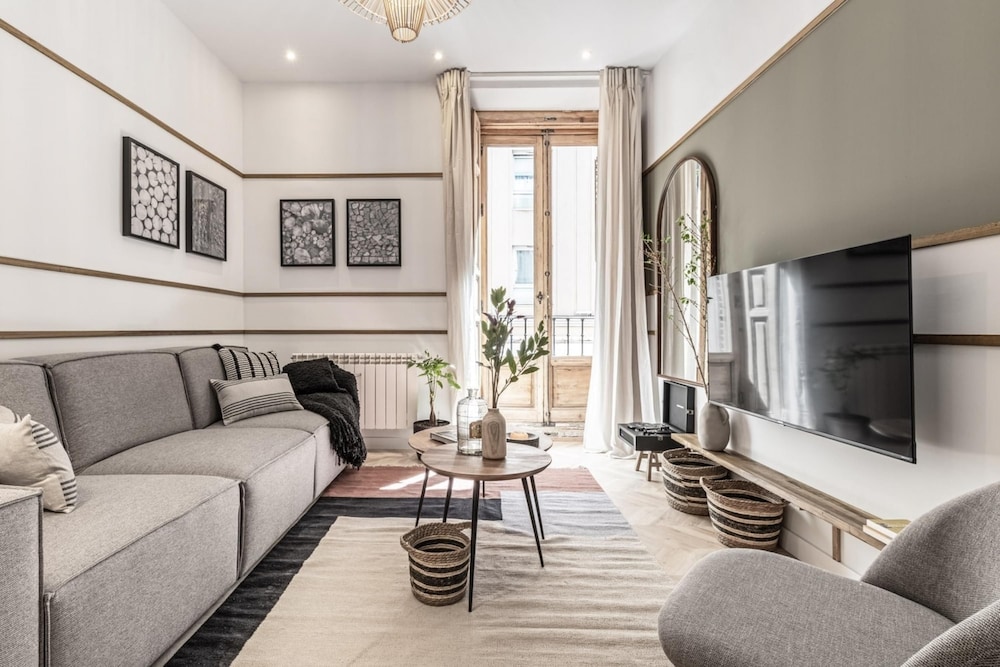
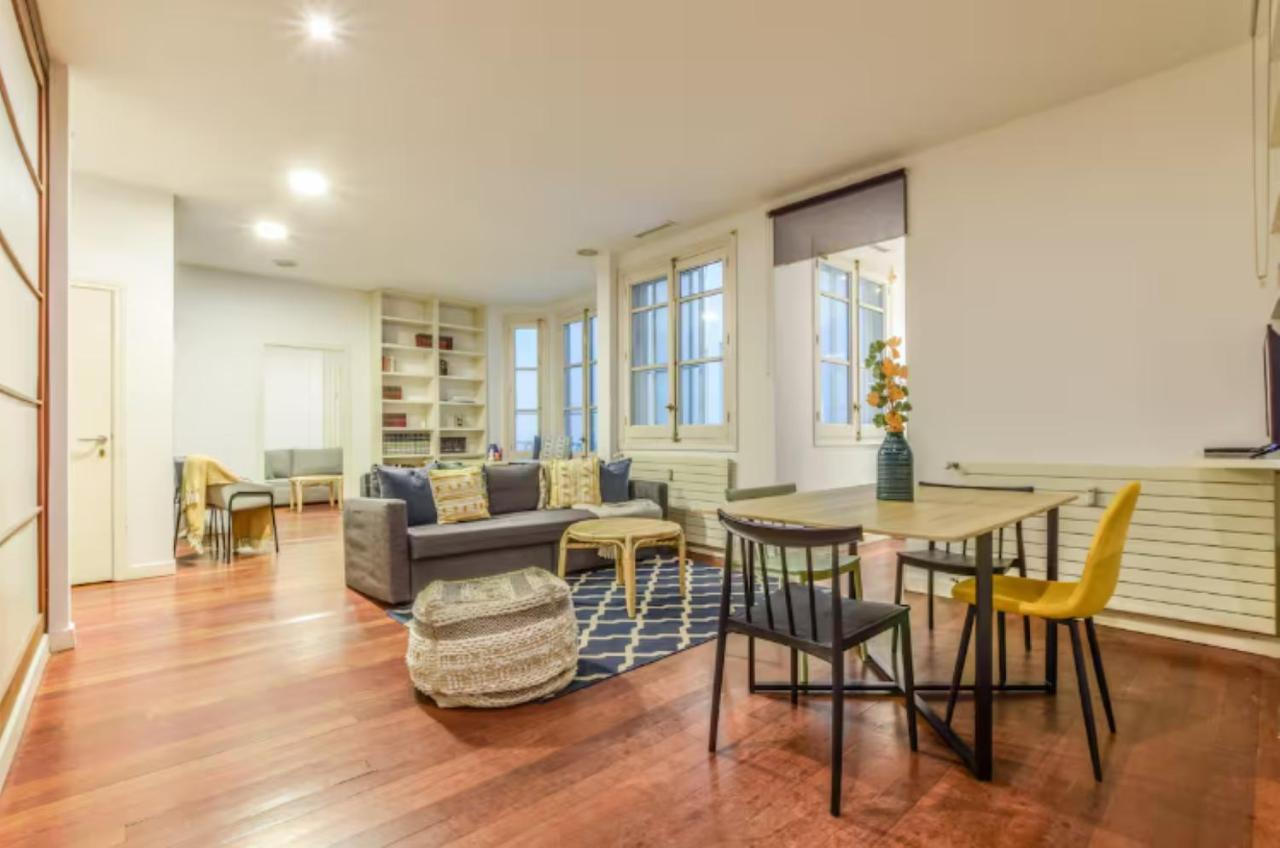
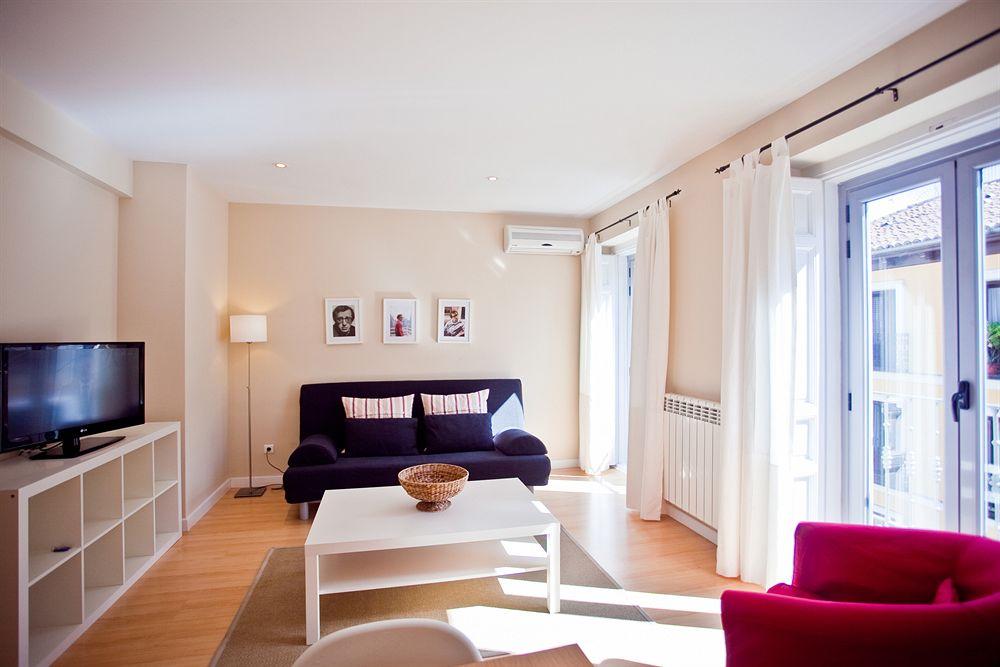
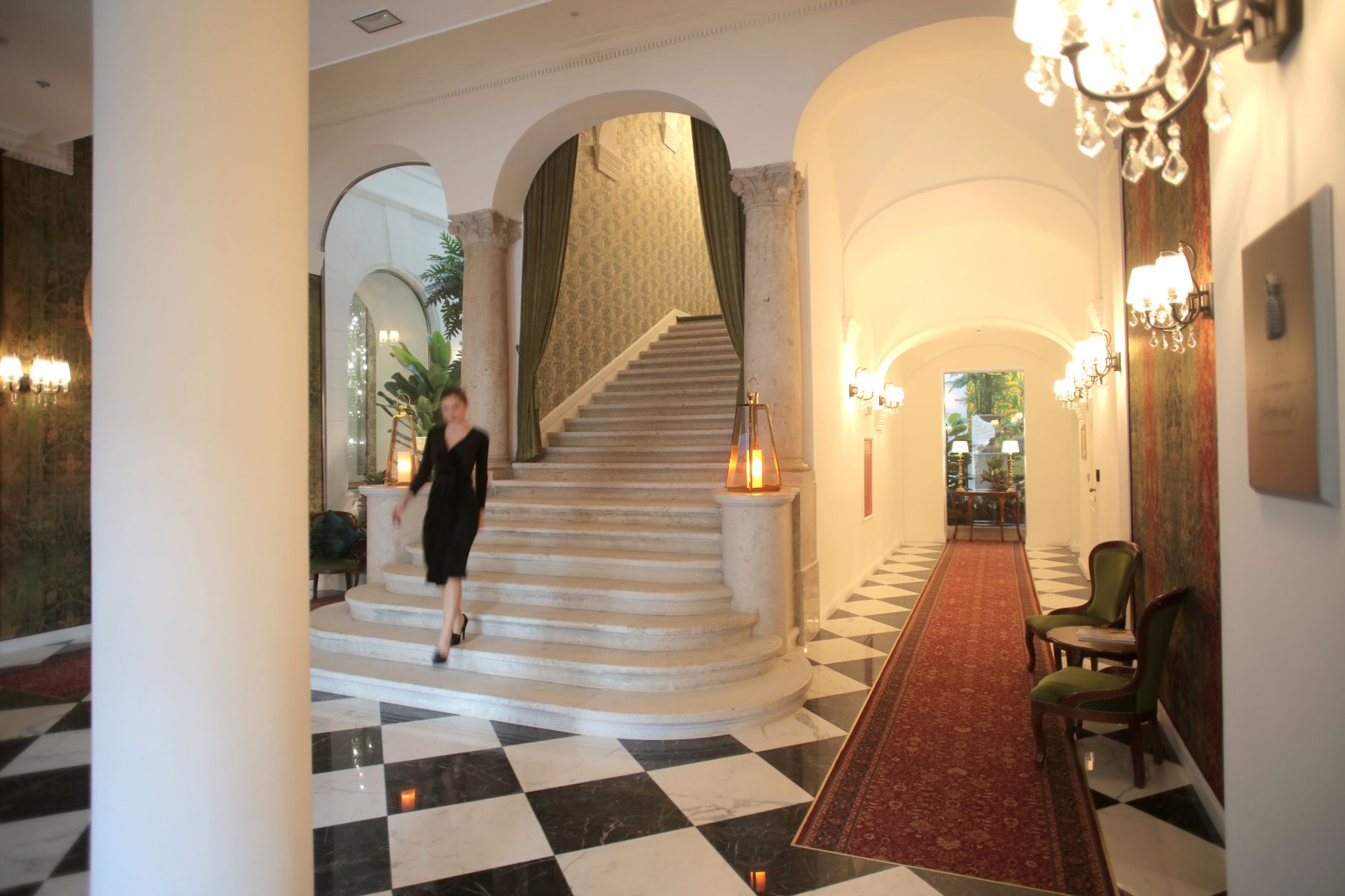
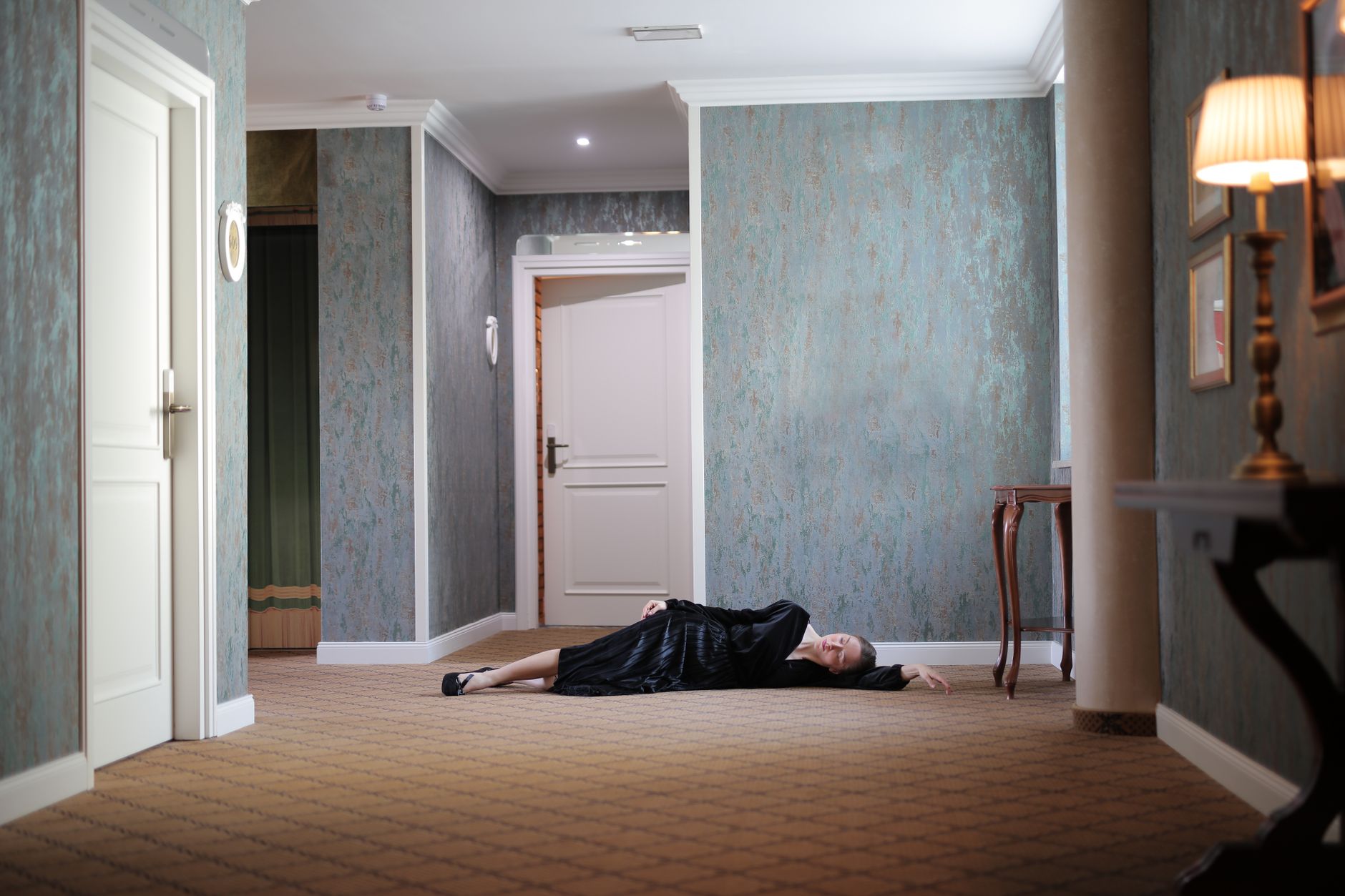
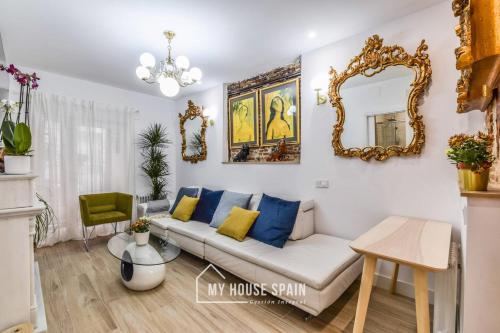
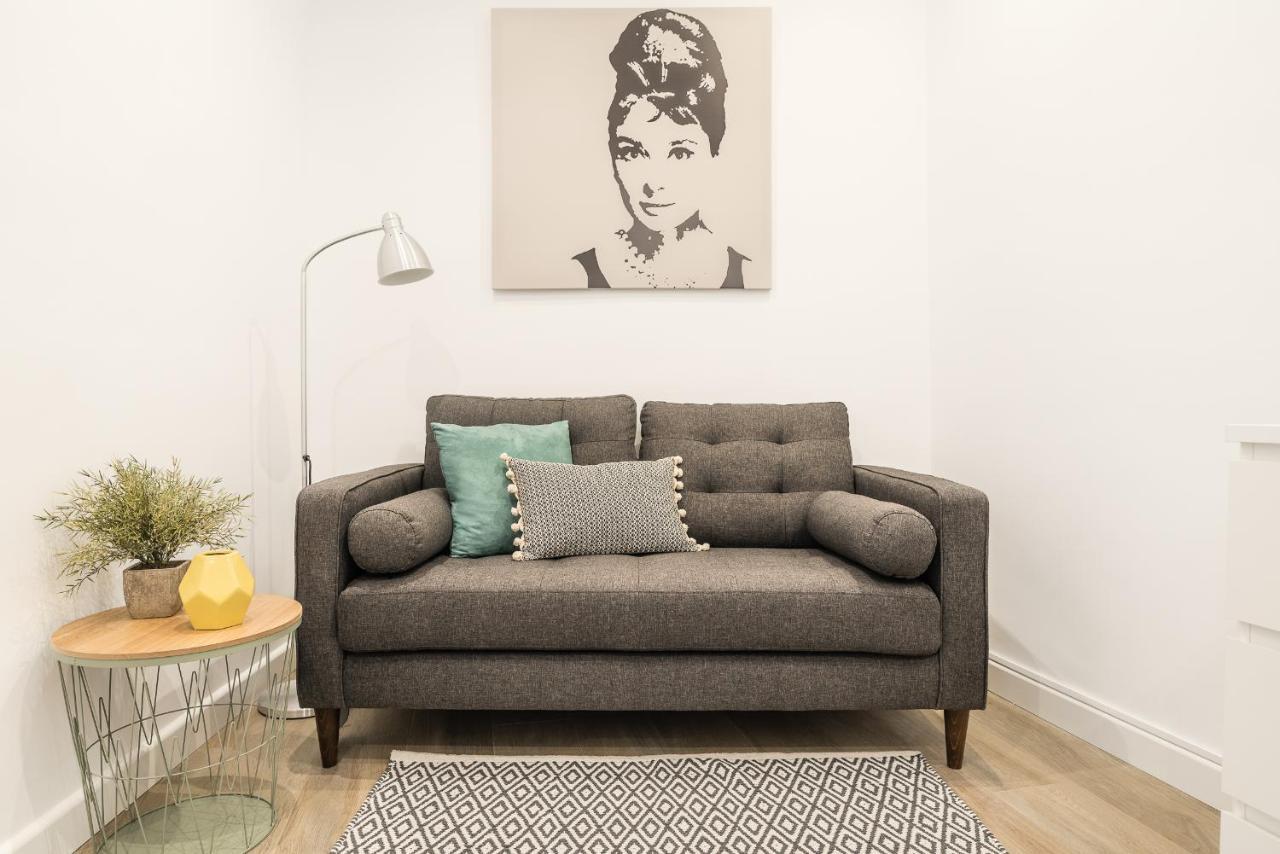
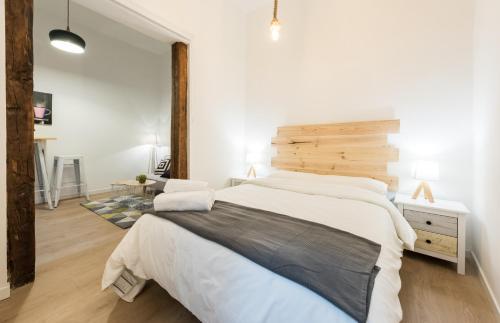
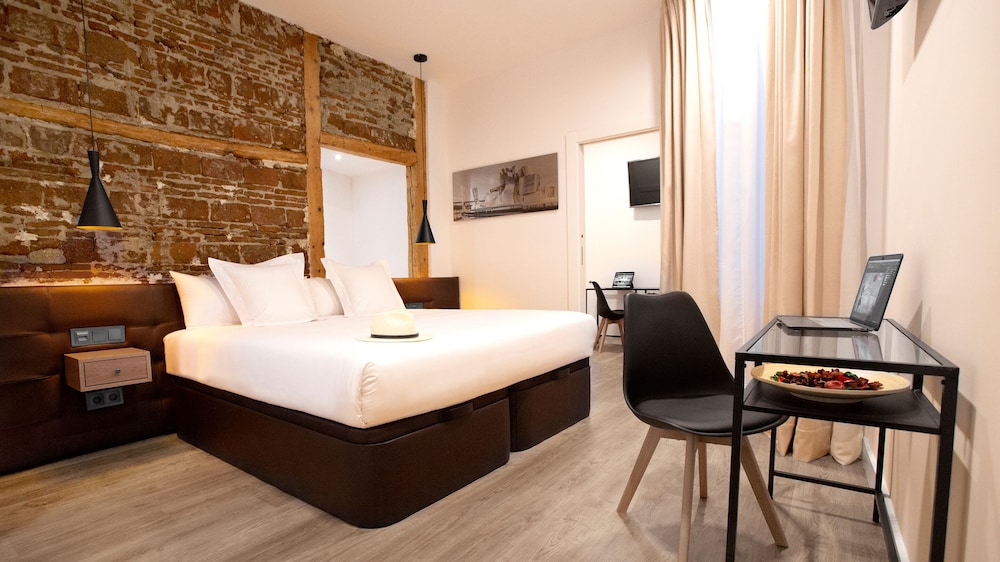
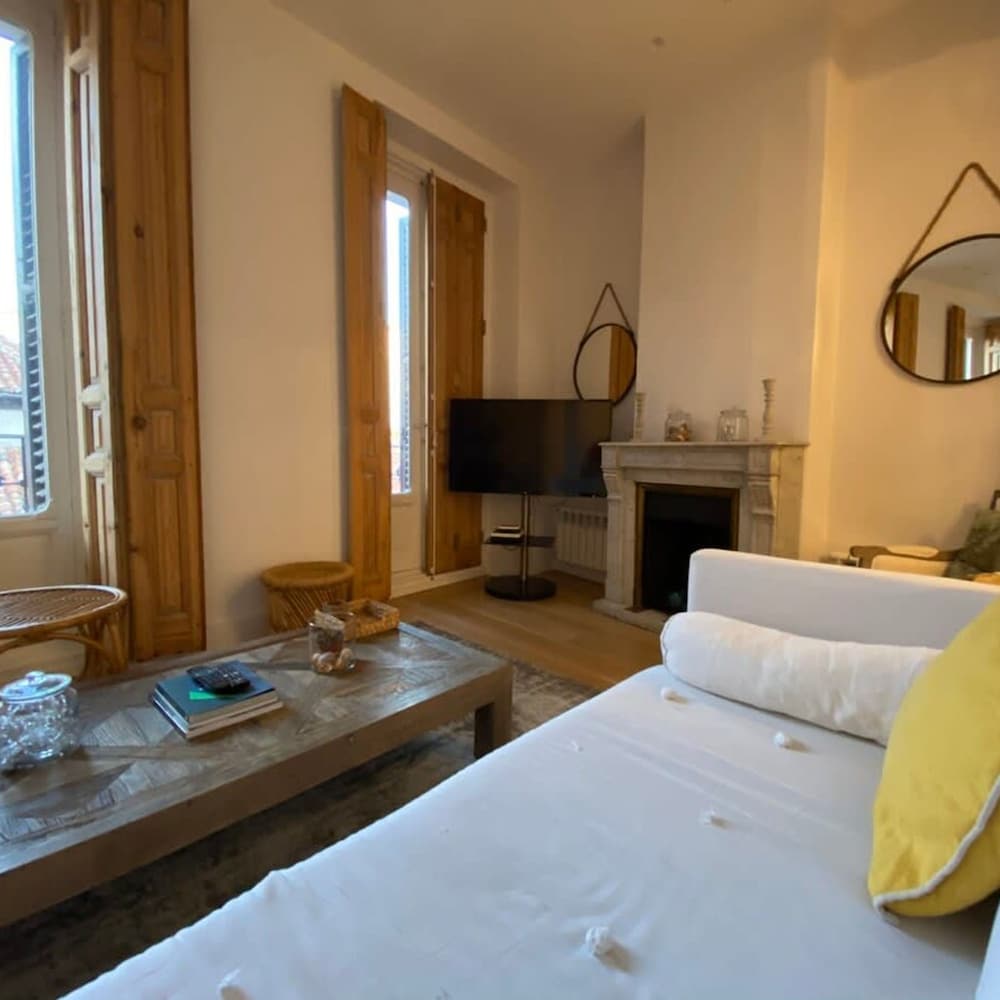
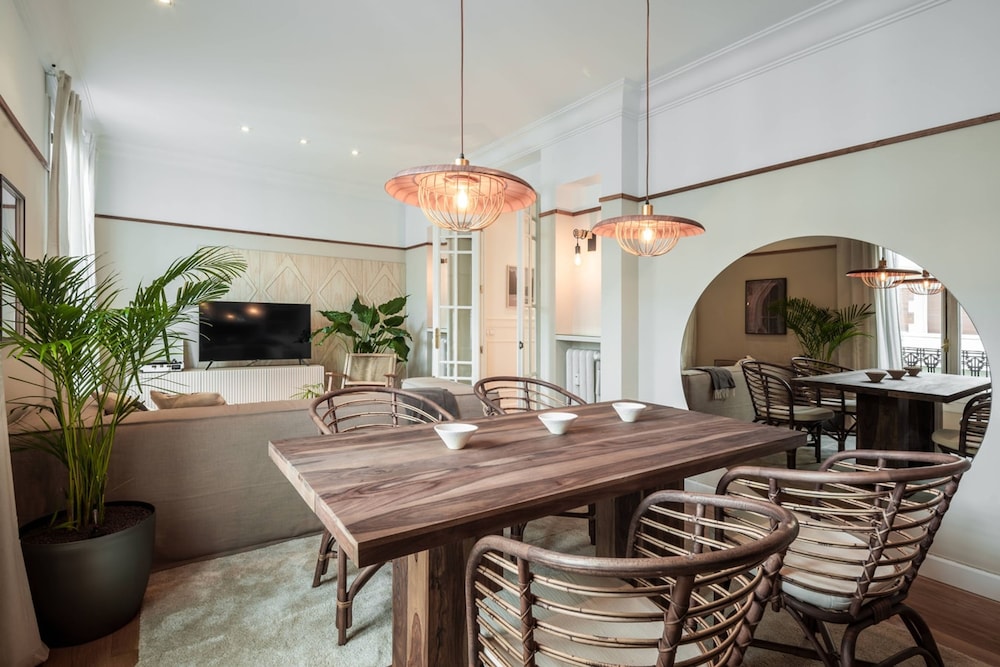
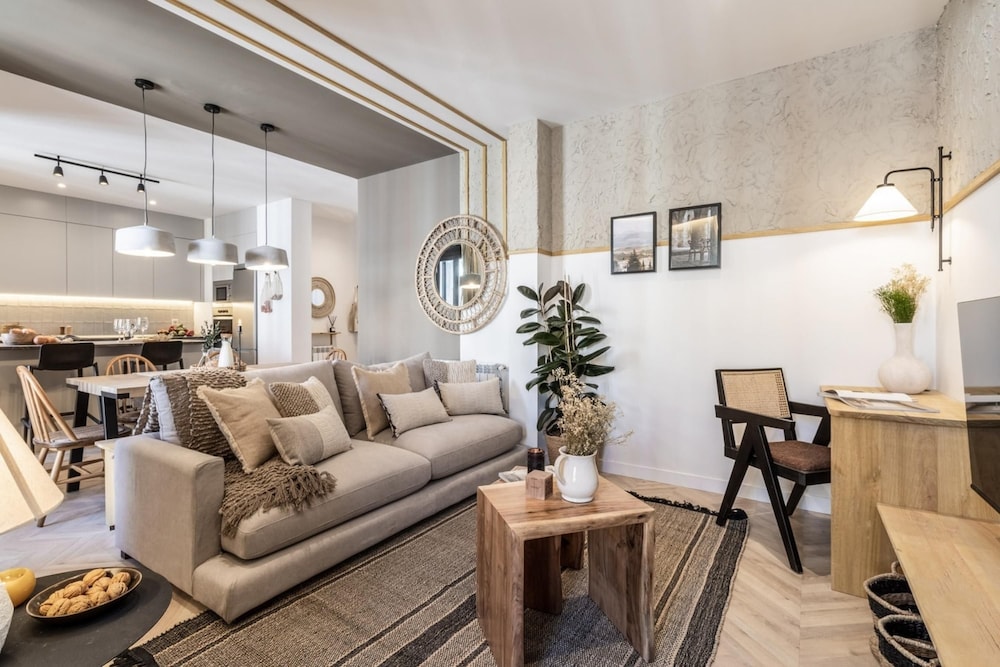
Fuencarral Confort Moderno Para Tu Estancia Perfecta
Calle De Fuencarral 70 Planta 1 Puerta Izq
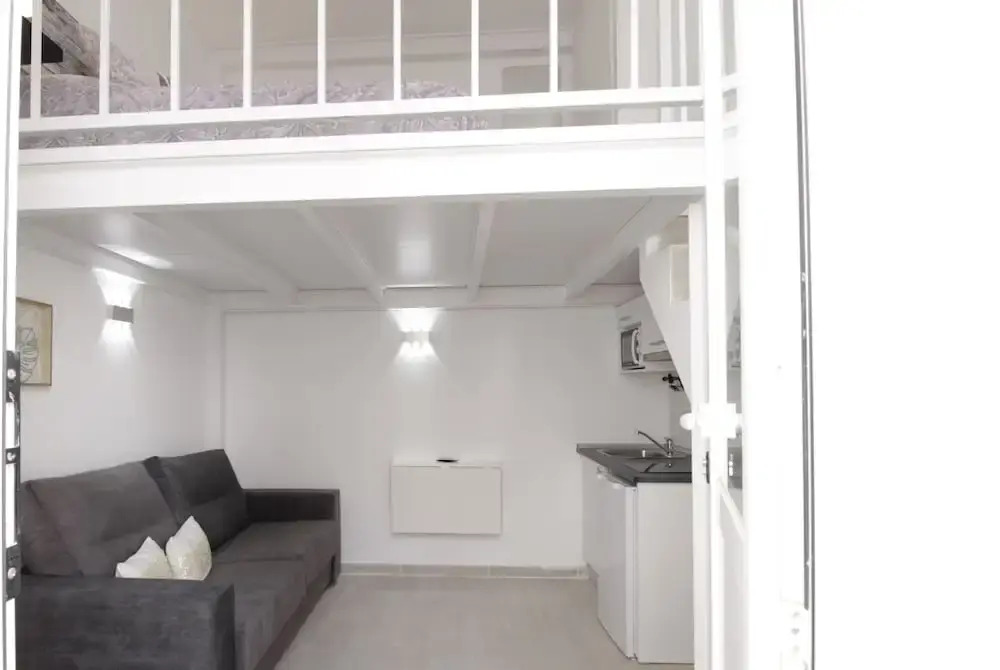
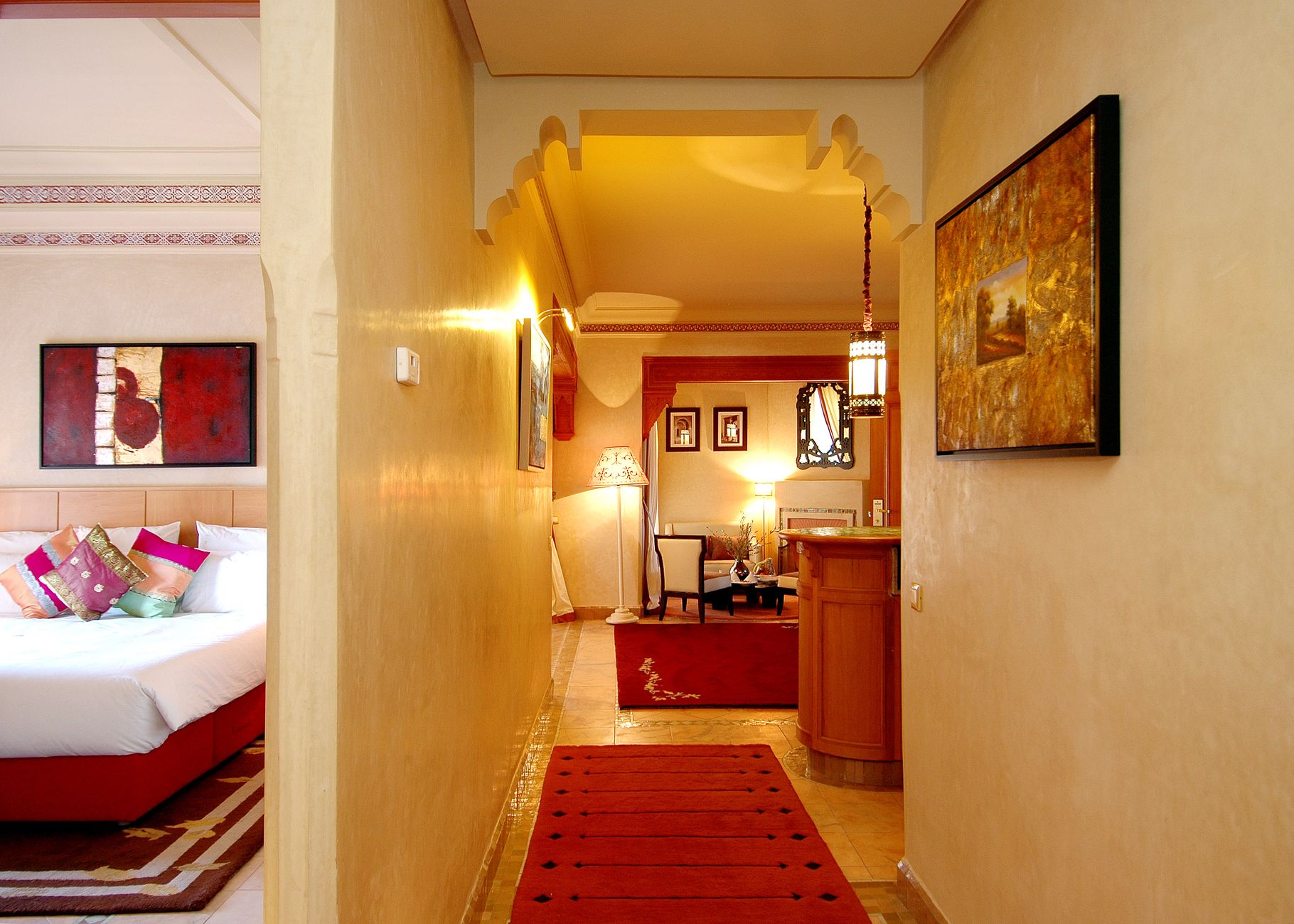



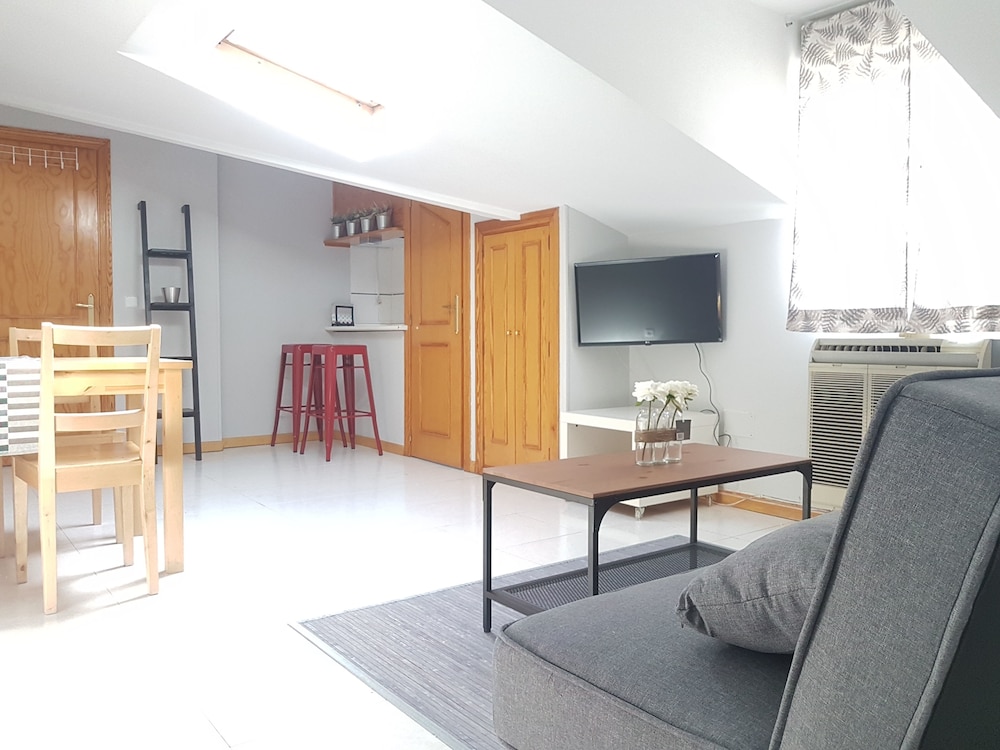
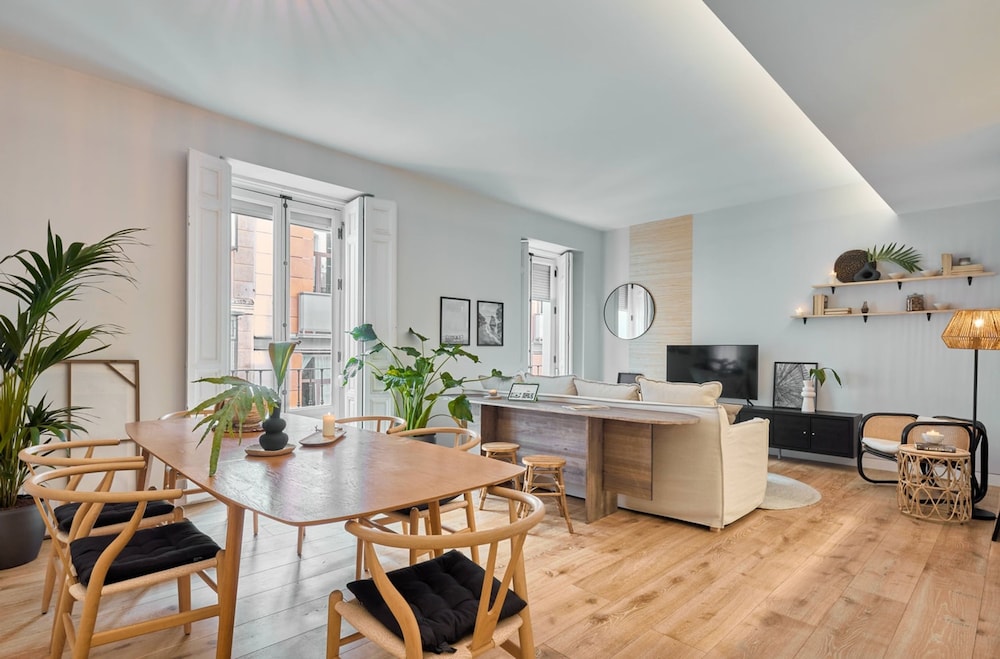
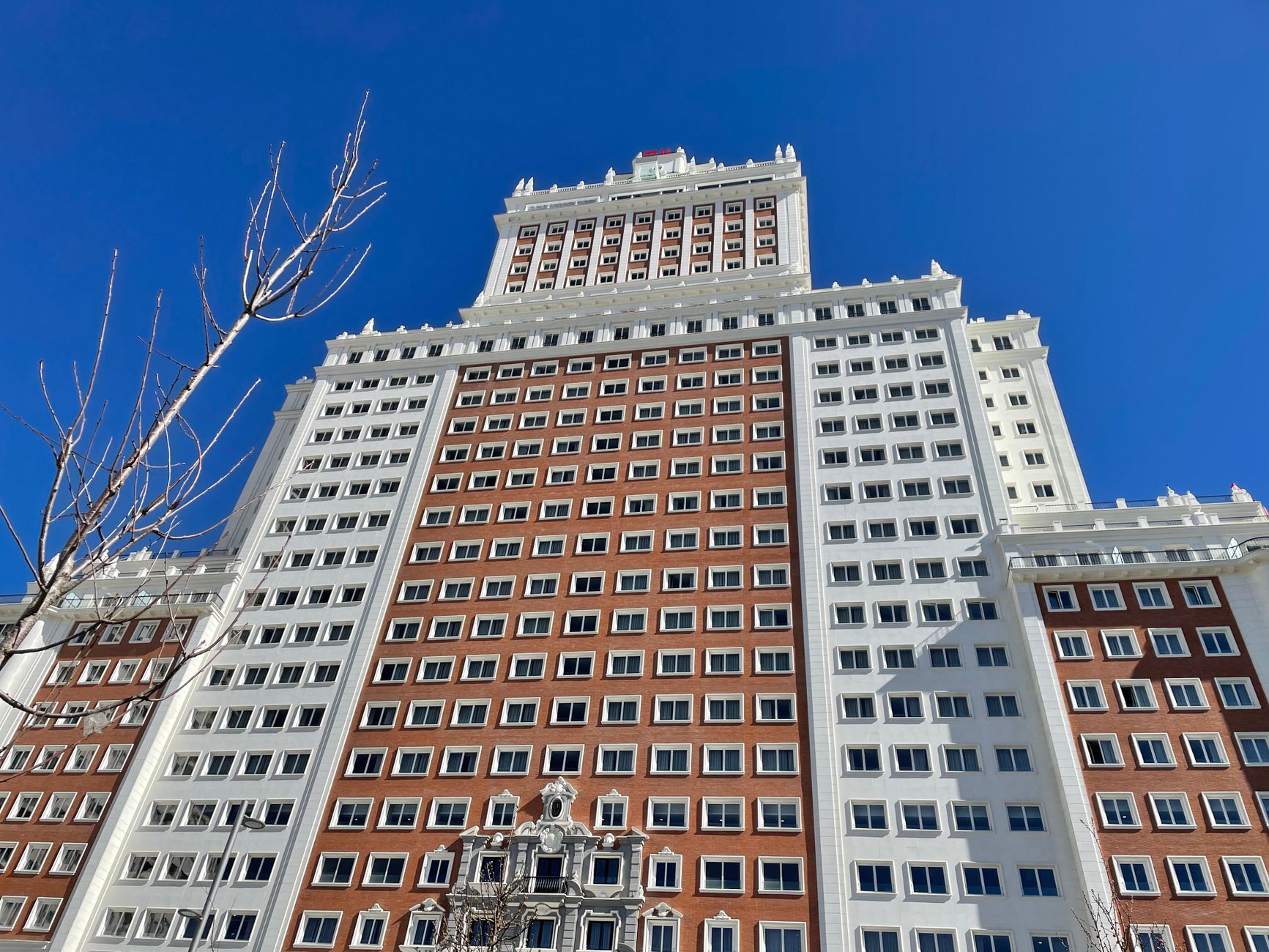
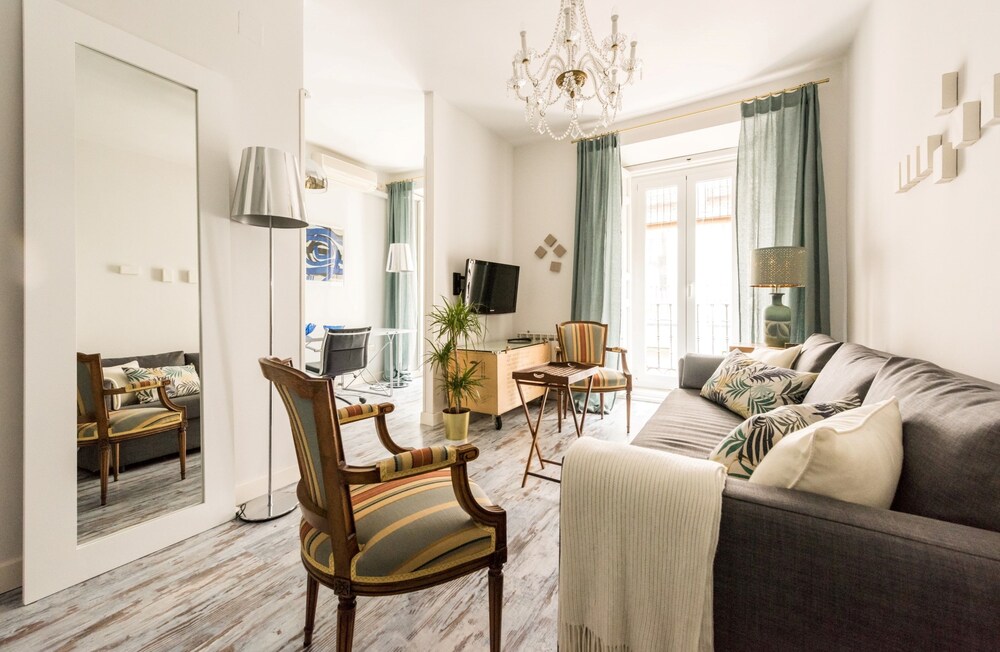
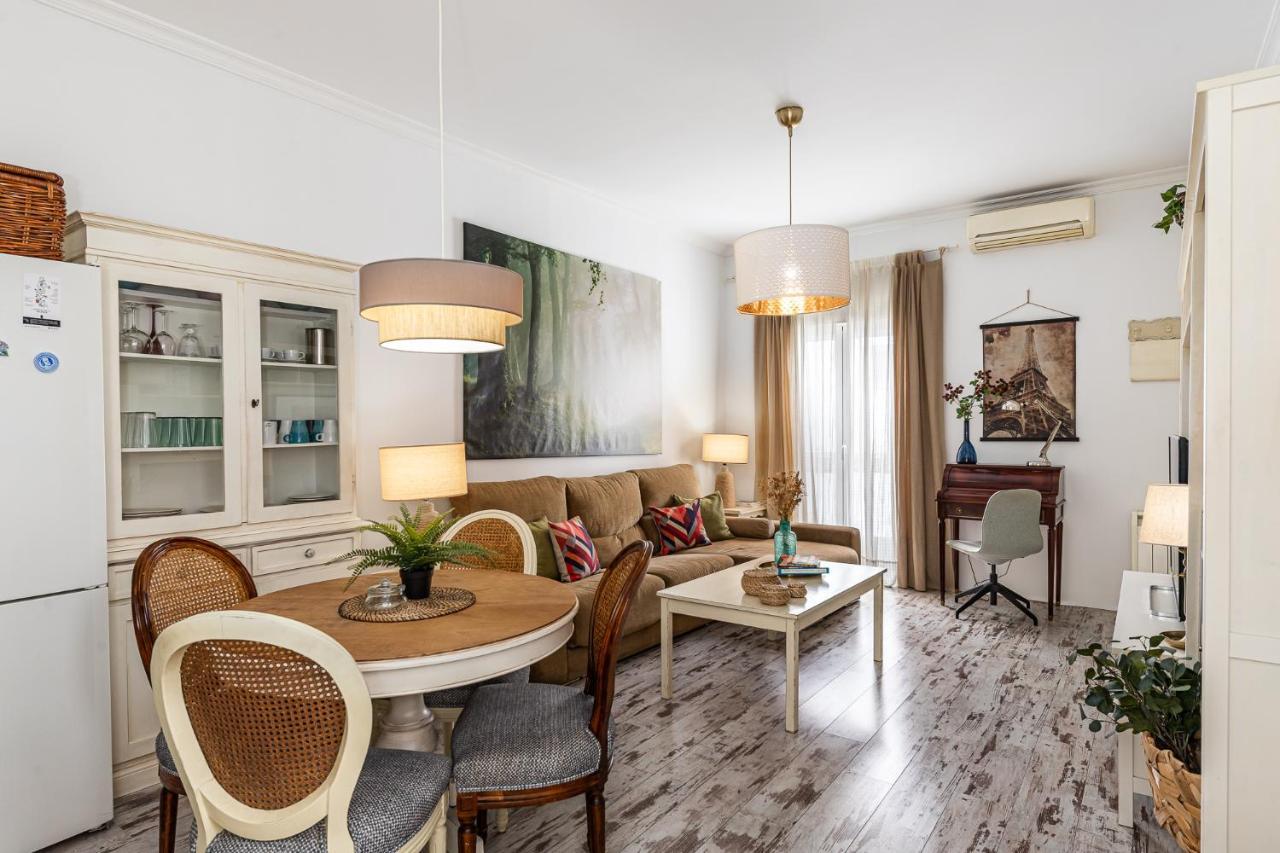
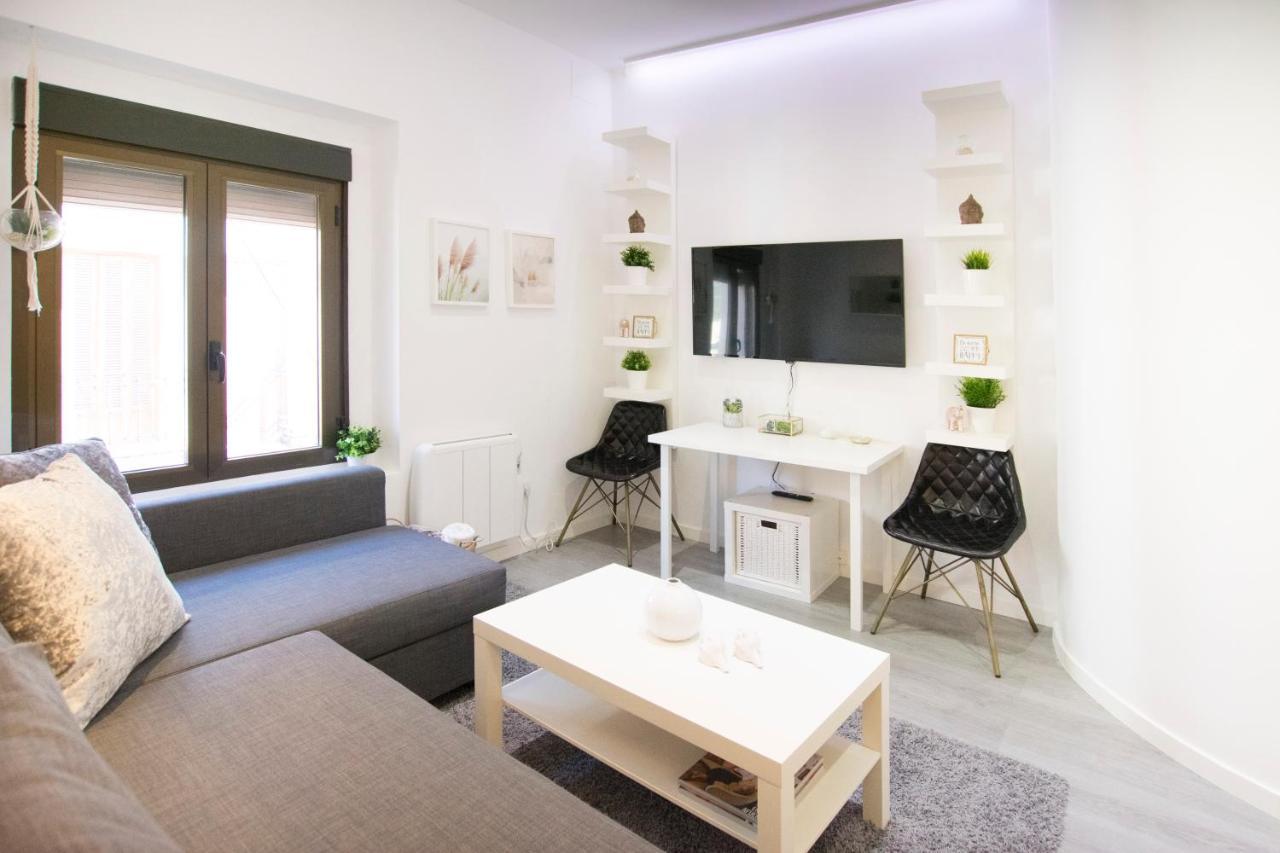
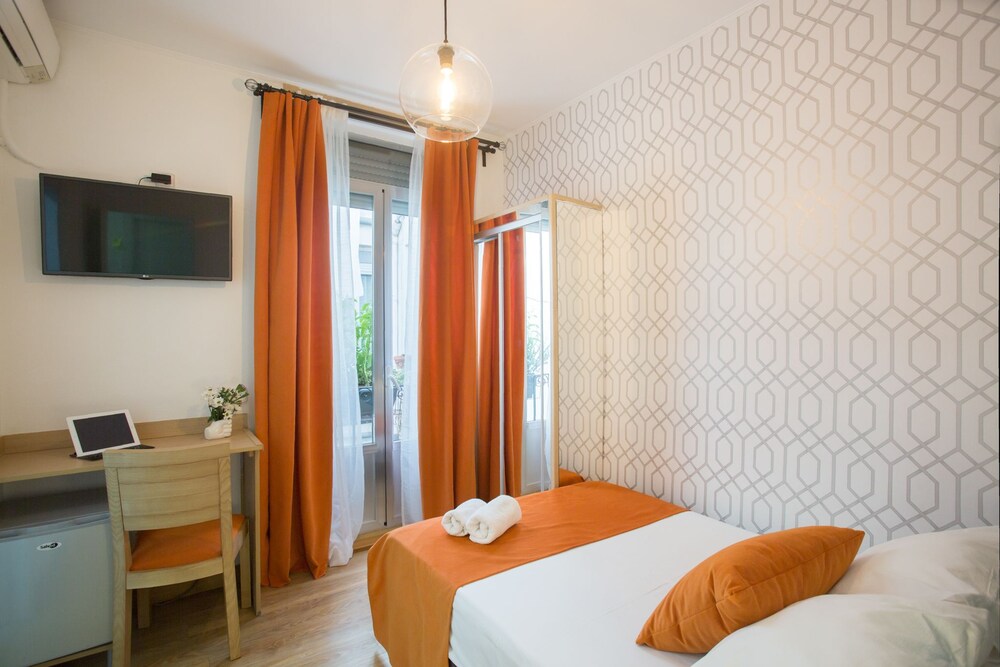
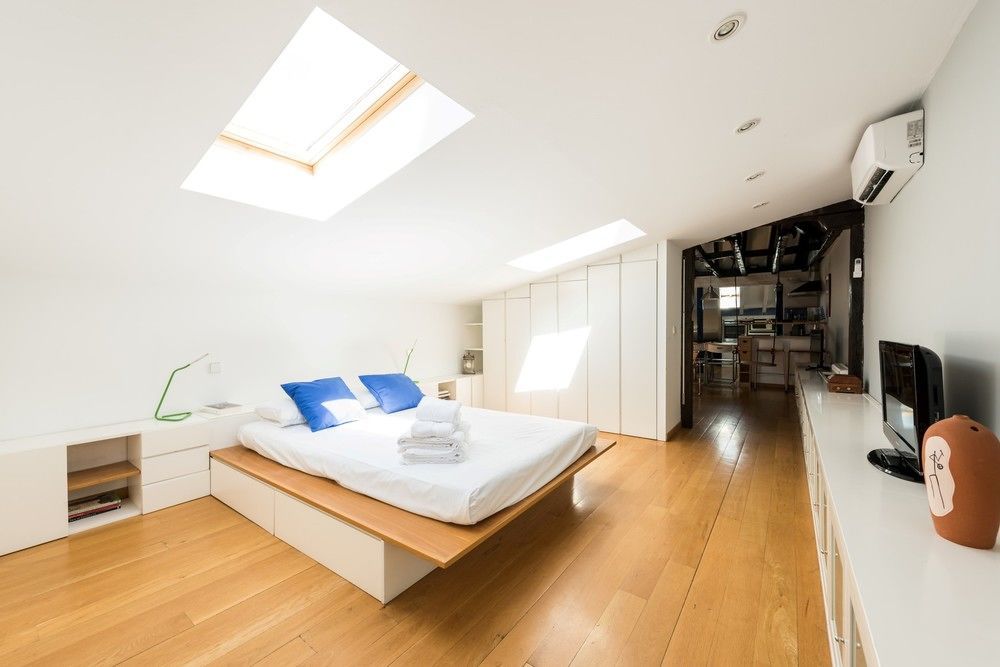
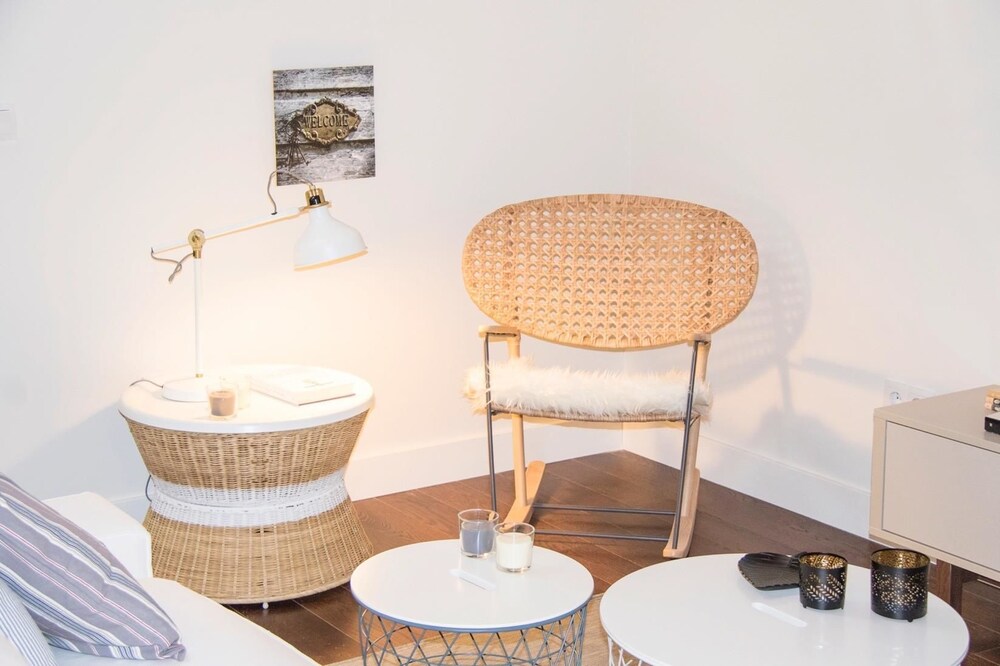
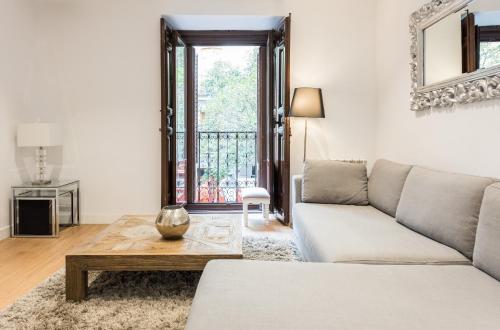
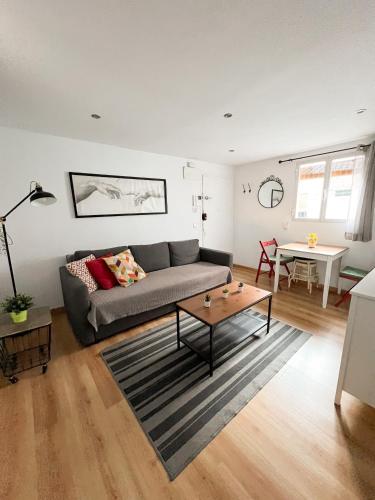
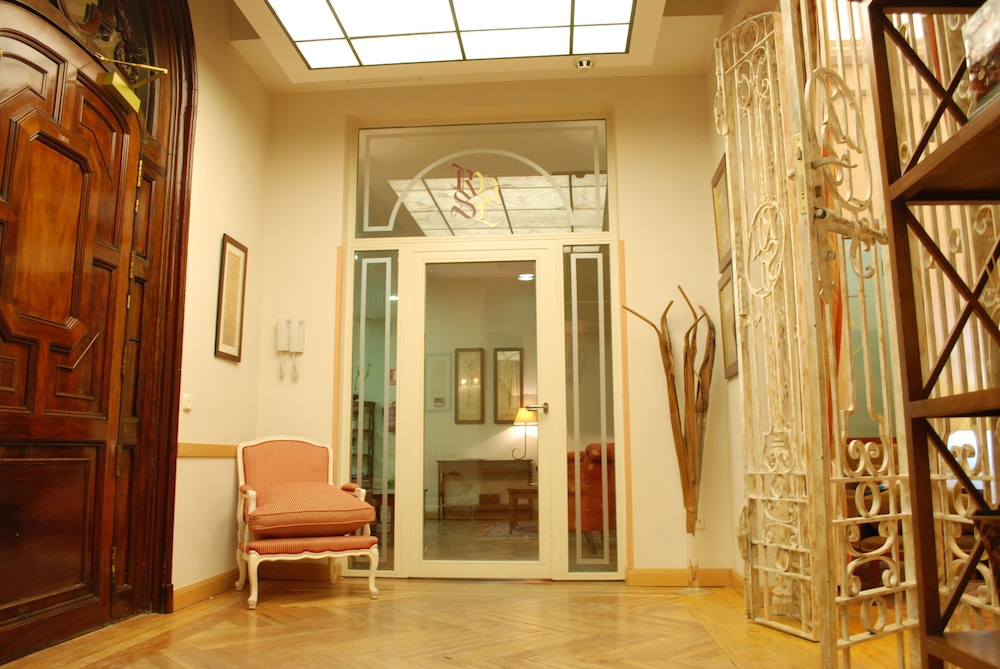
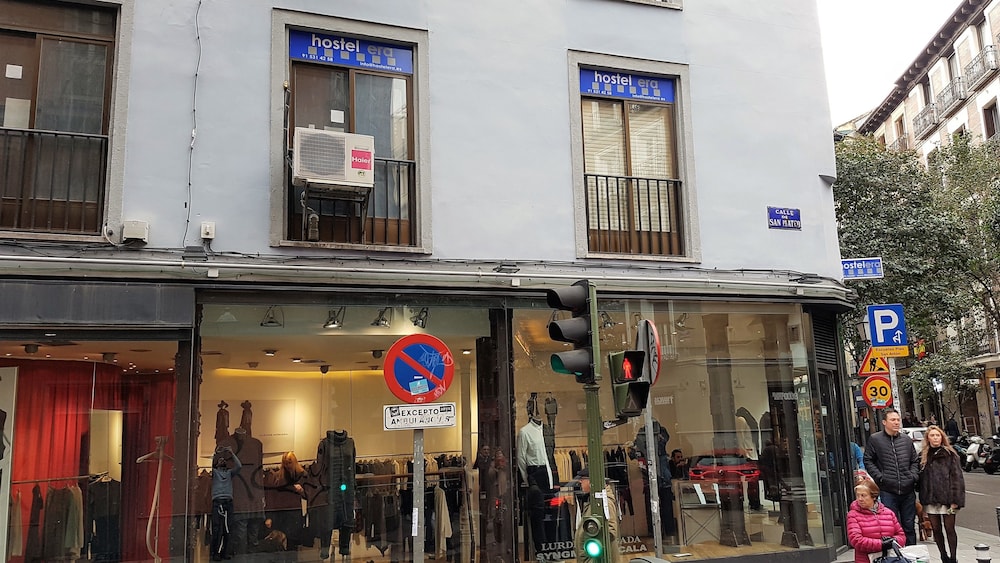
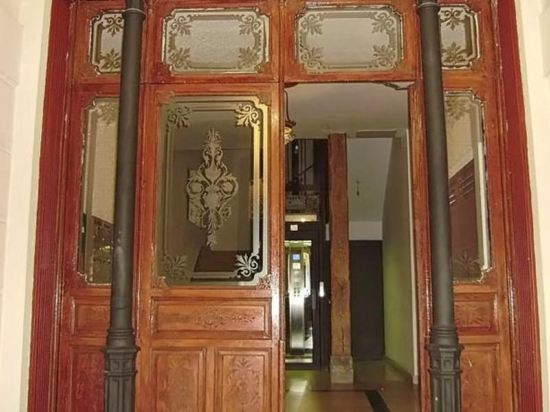
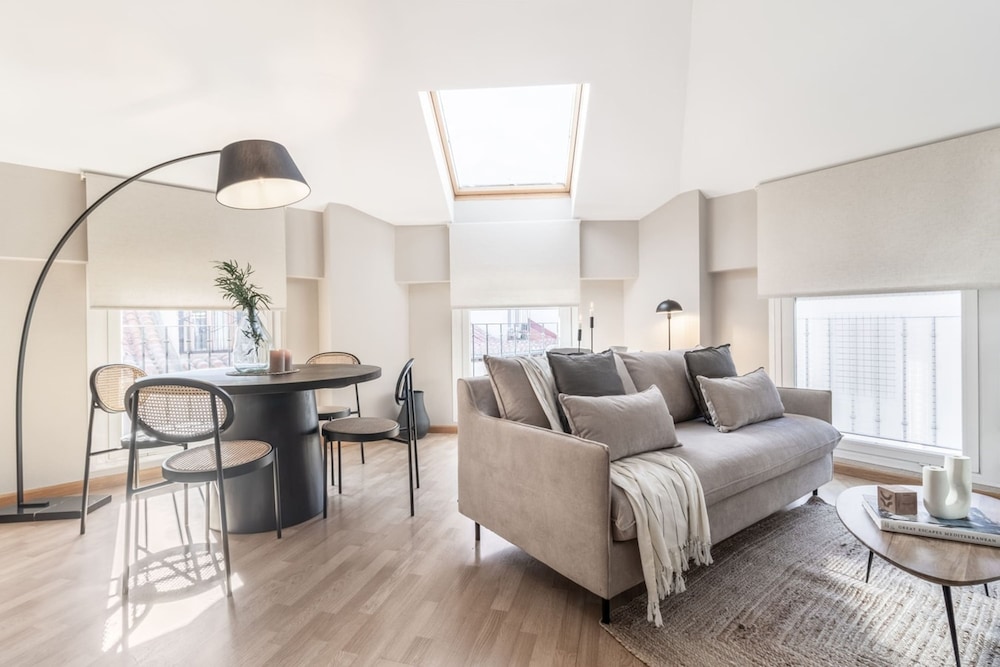
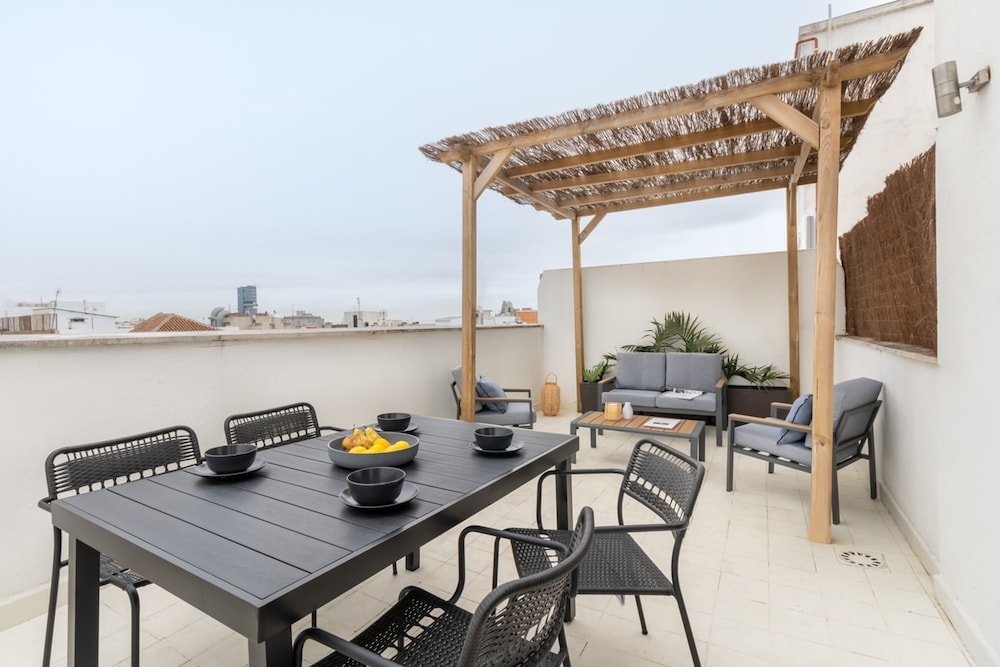
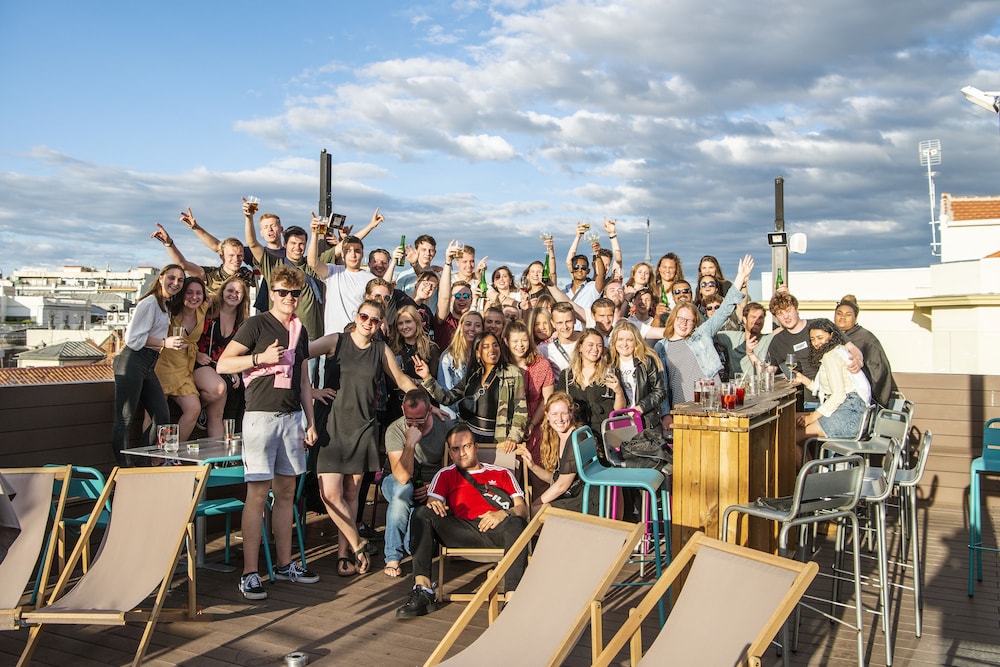
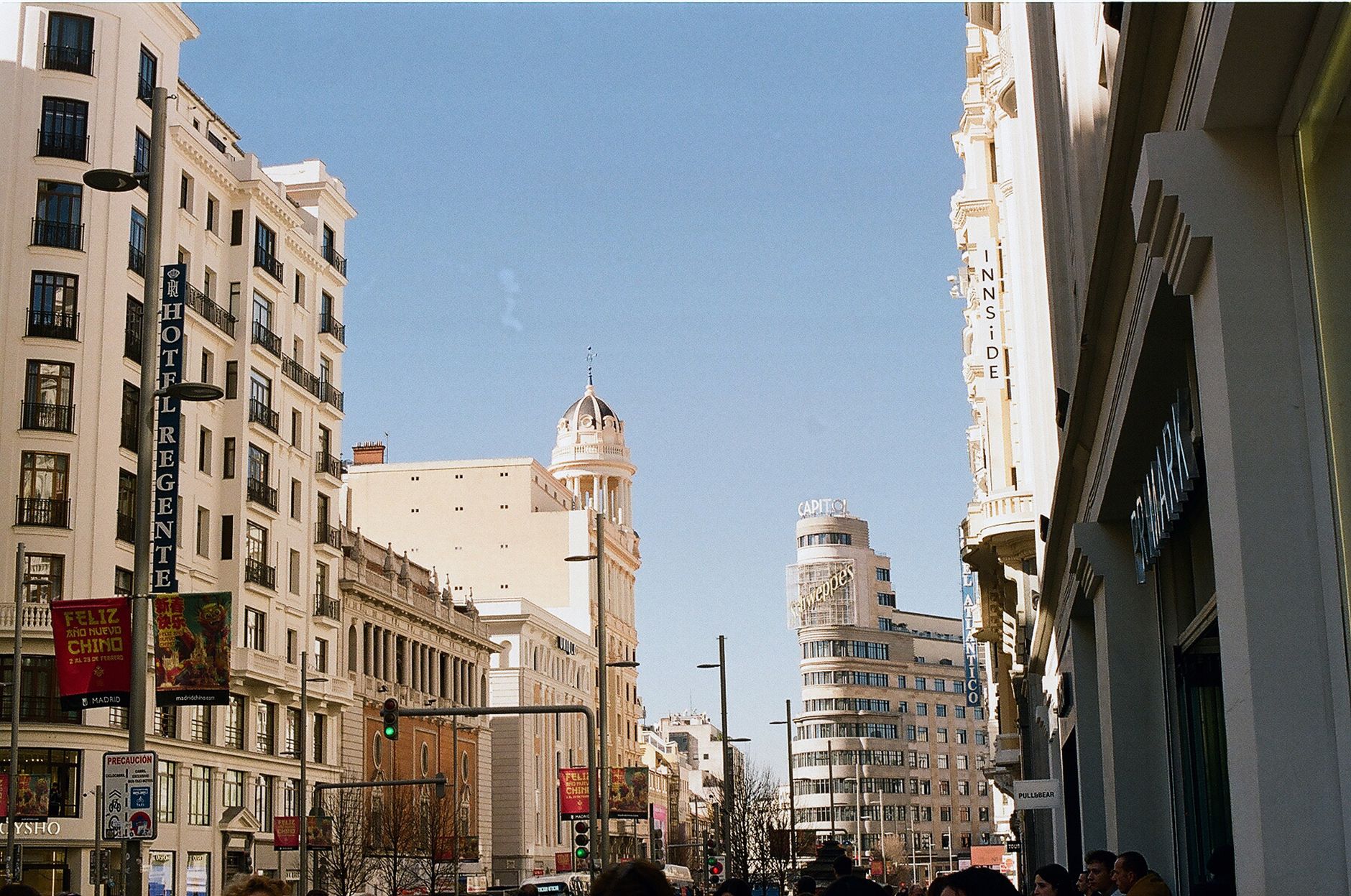
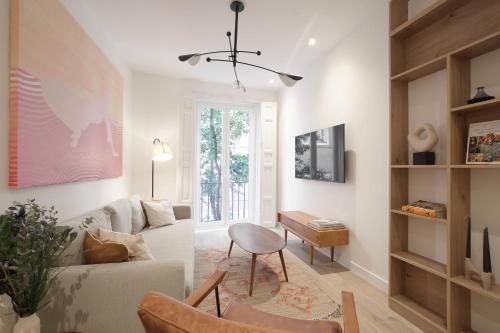
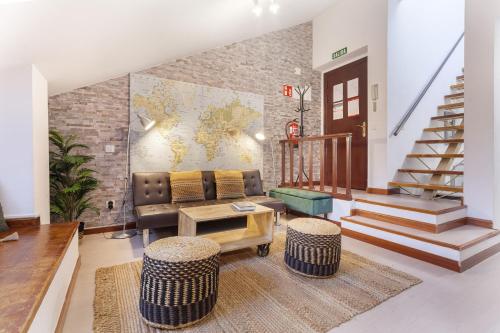
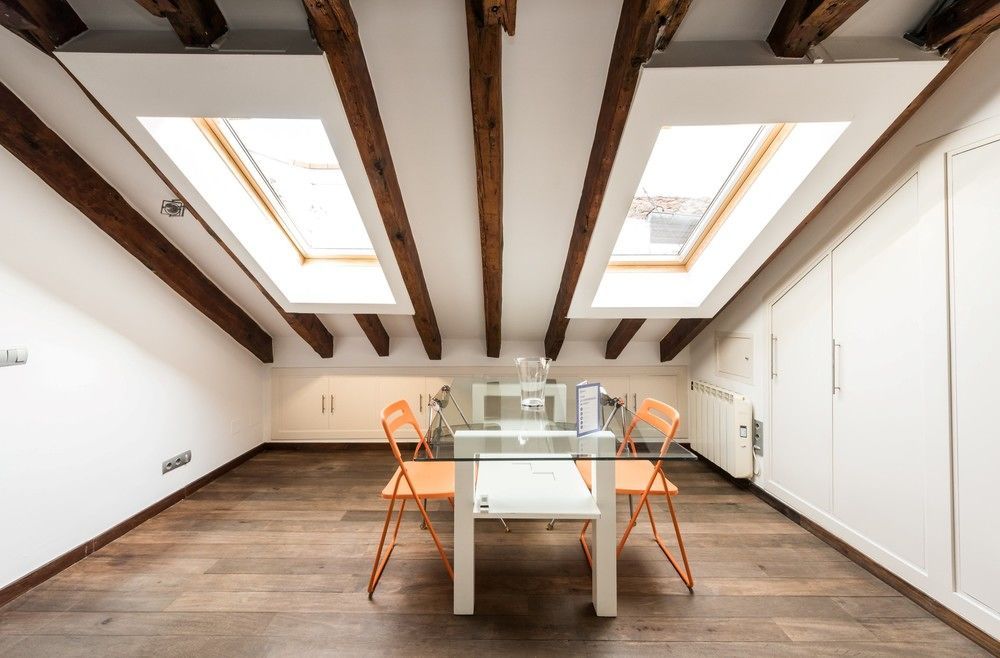
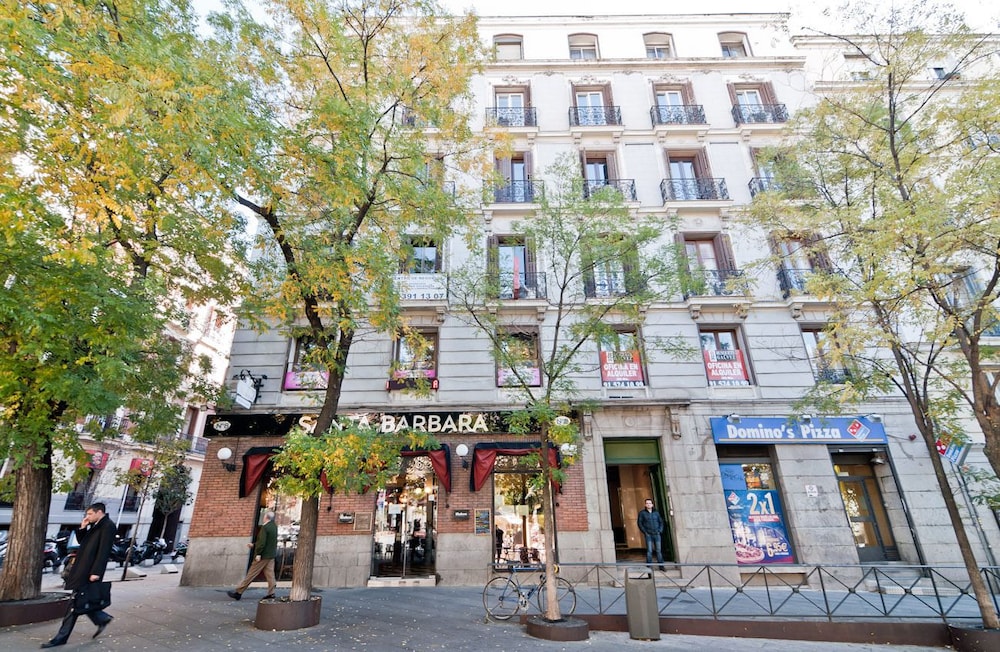
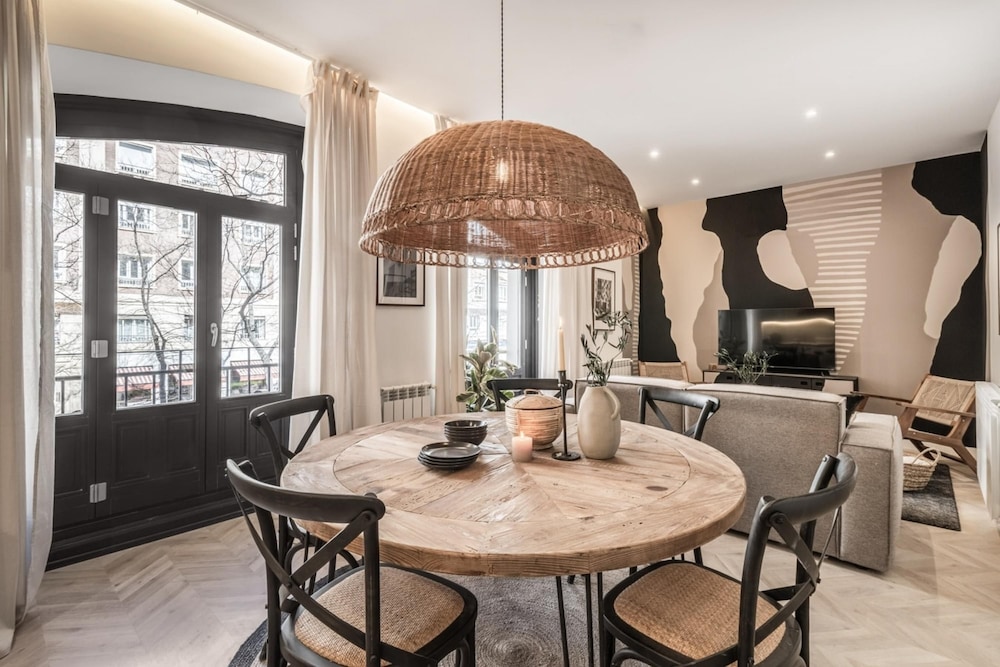
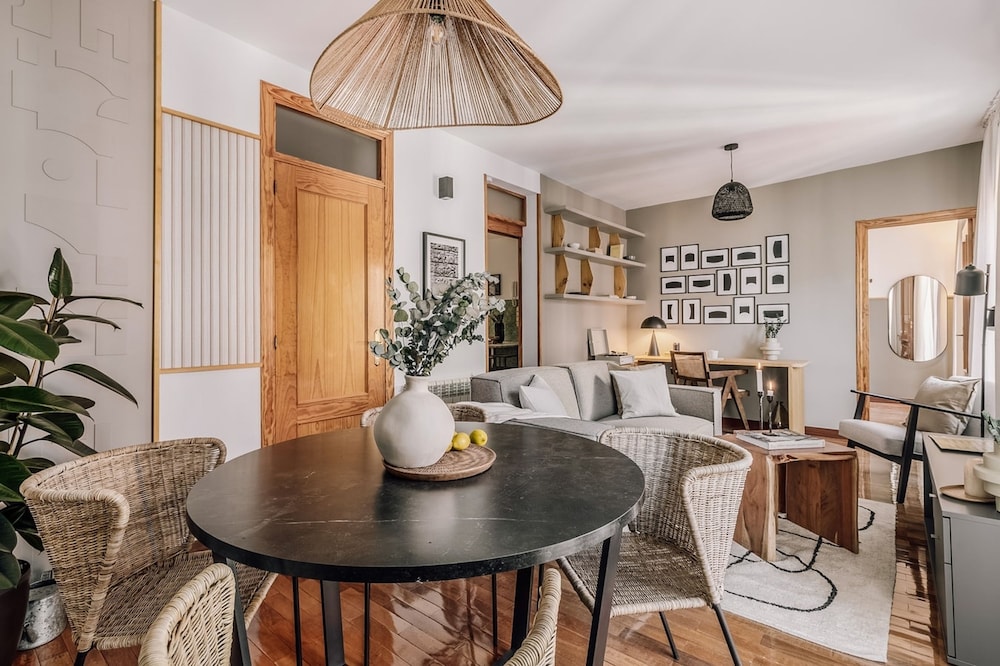
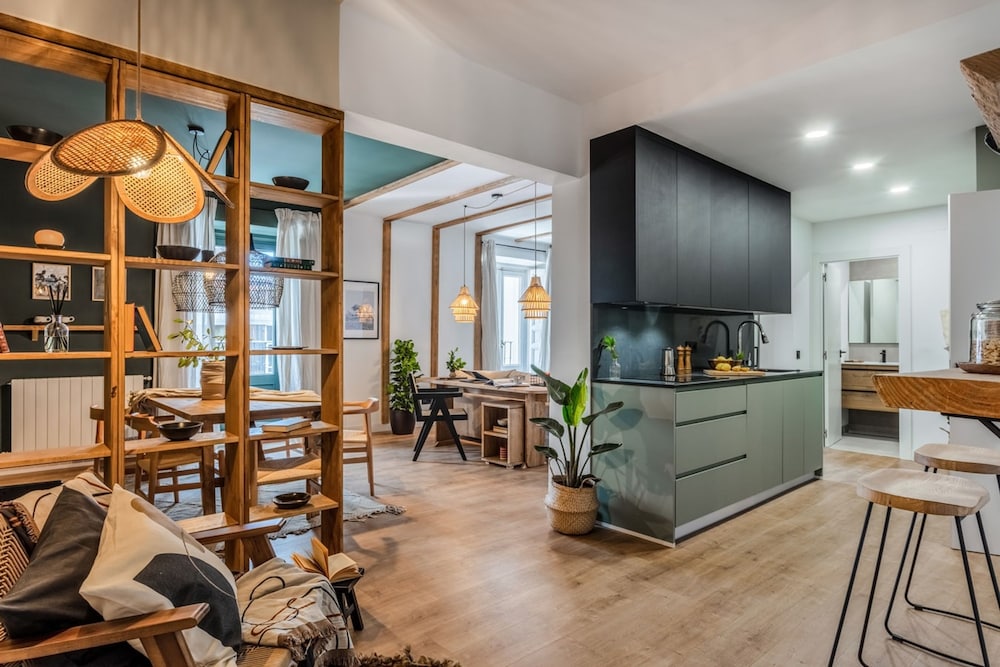
For You Rentals Universidad Apartment TEMPORAL ESA81
8 Calle Del Espíritu Santo Exterior 1º Derecha

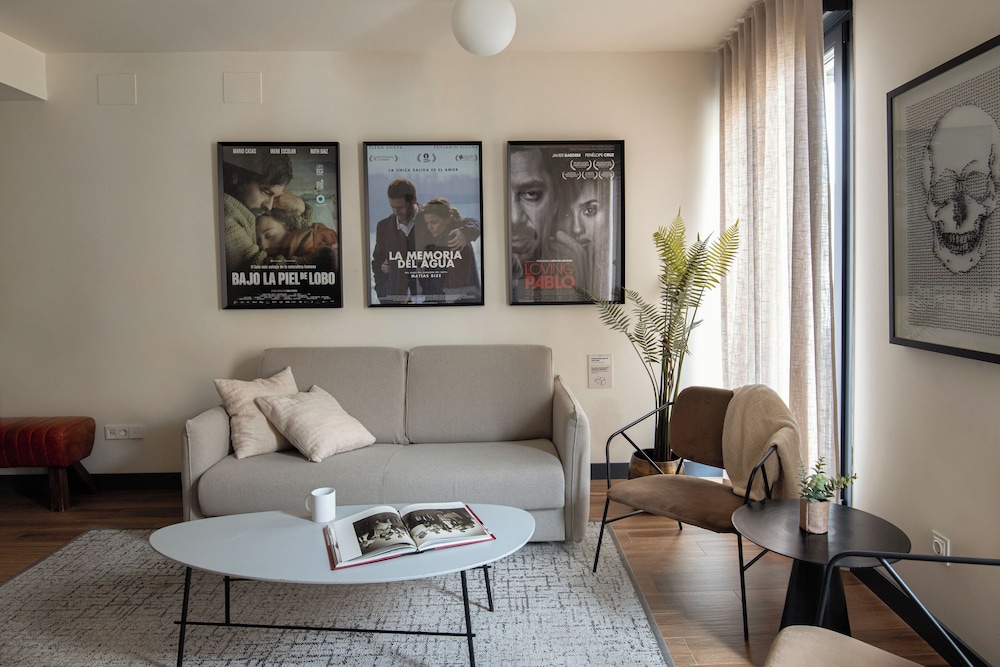
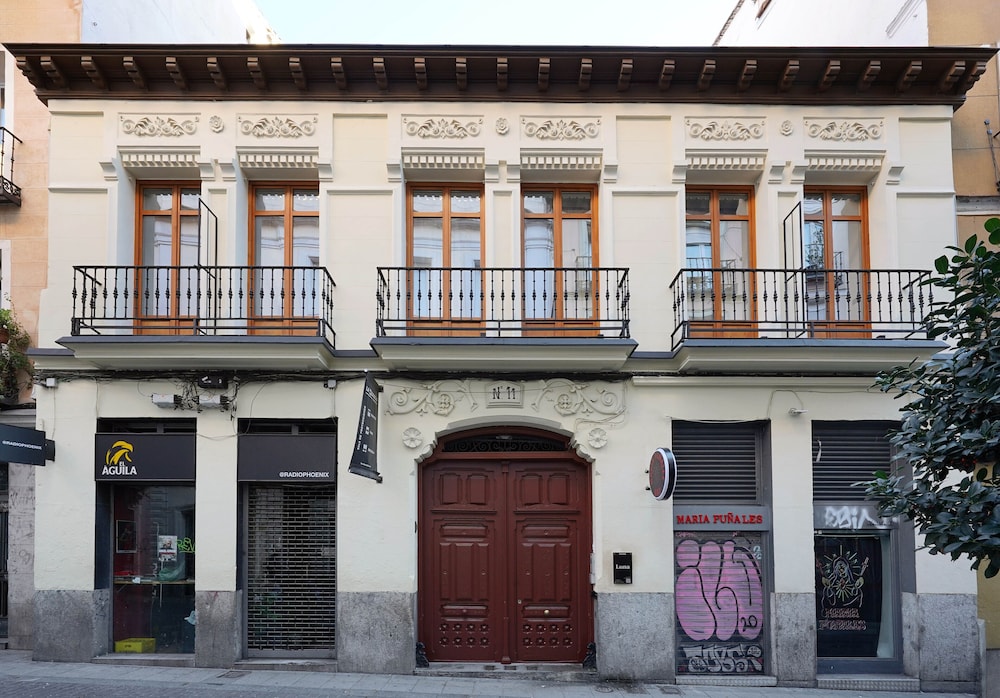
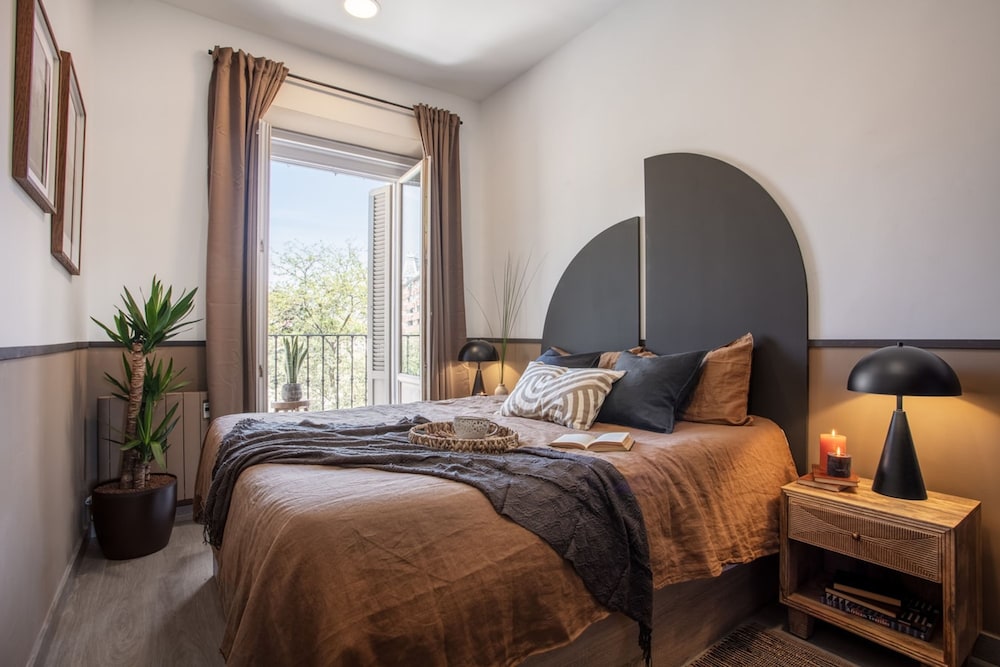
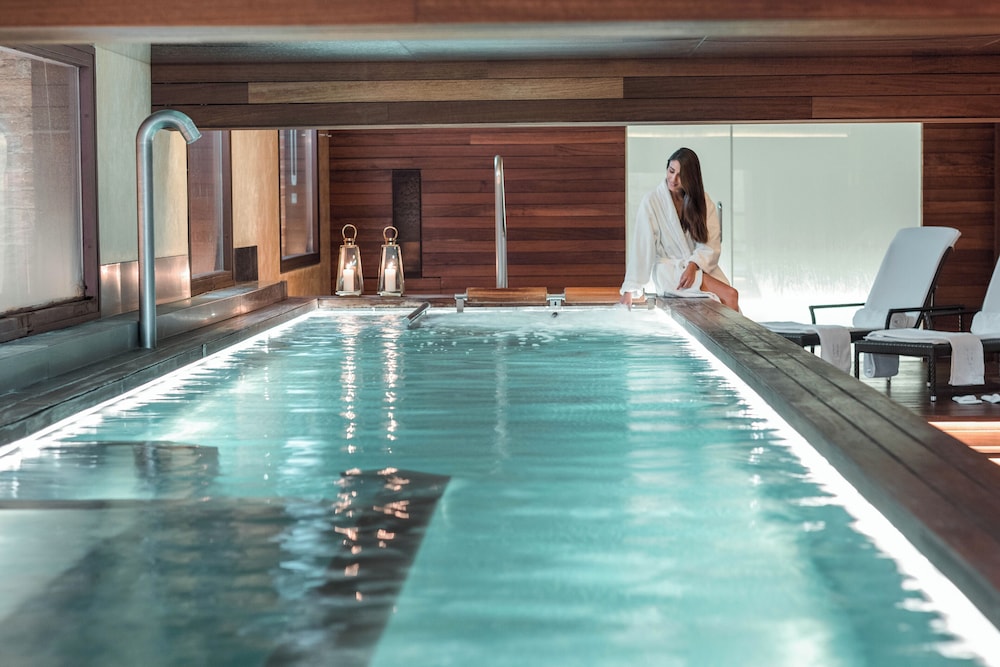
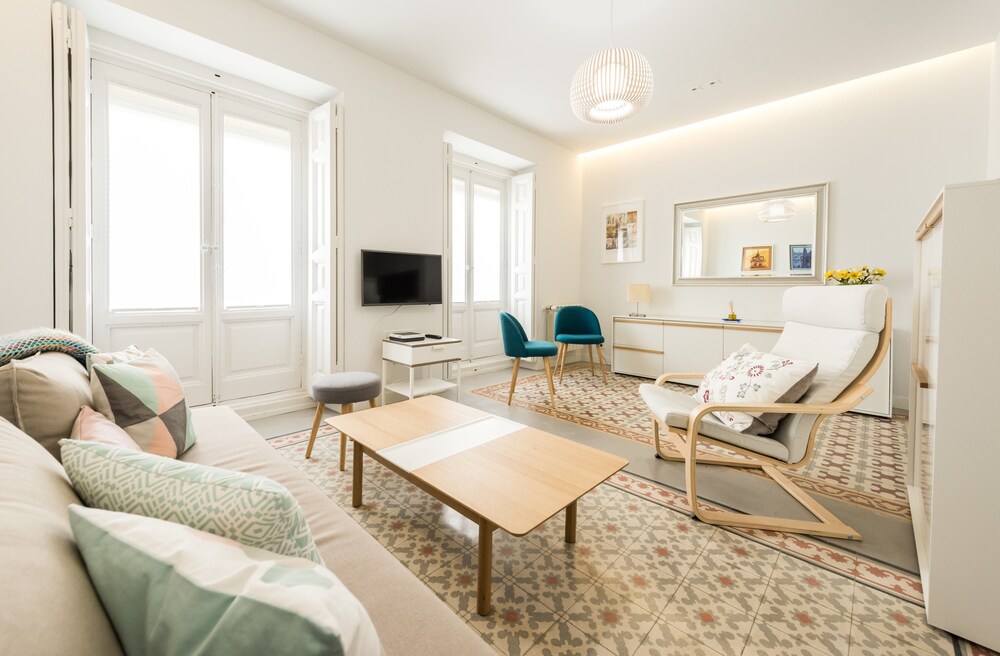
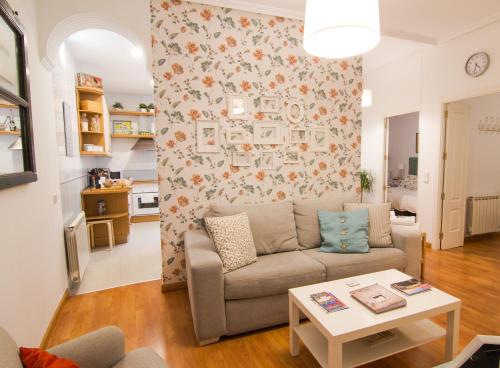
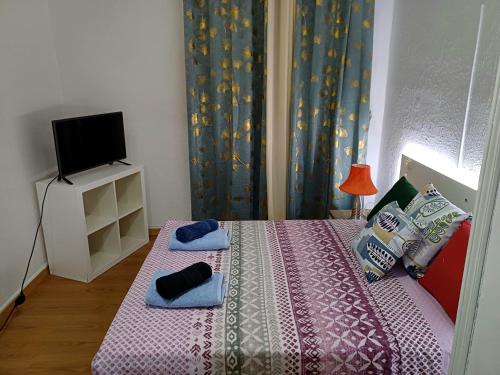
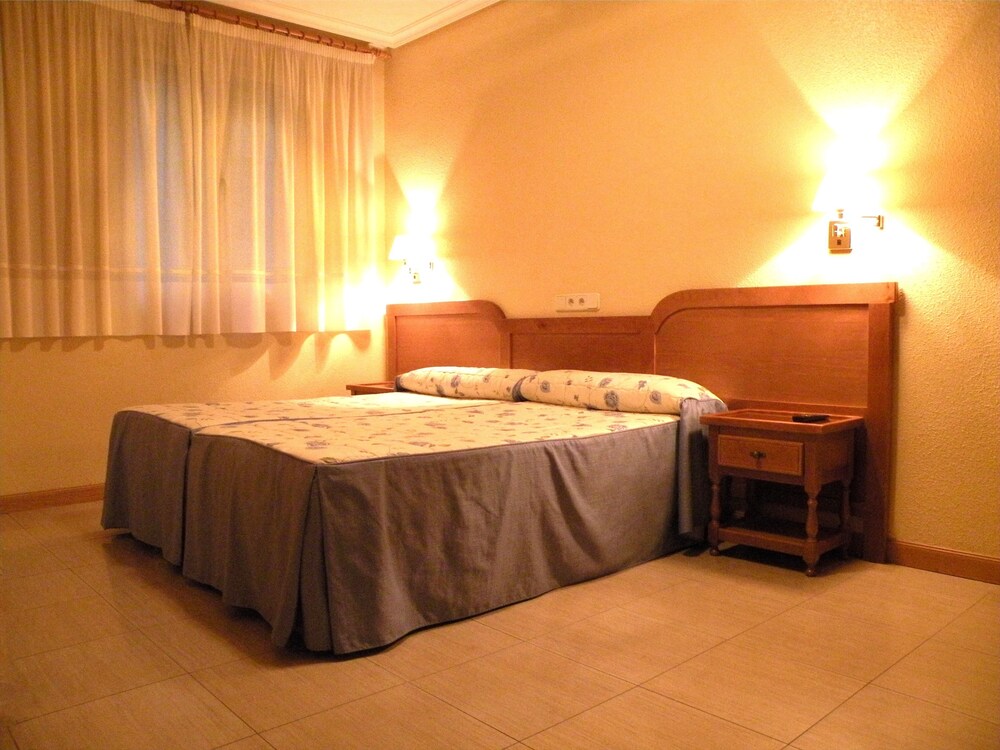
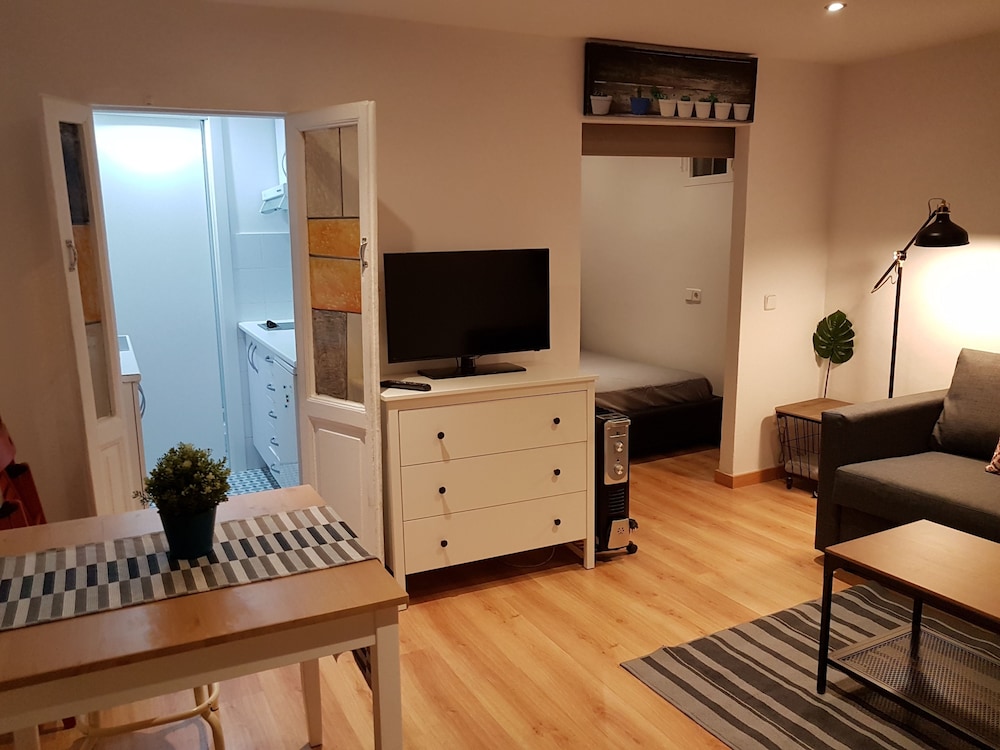
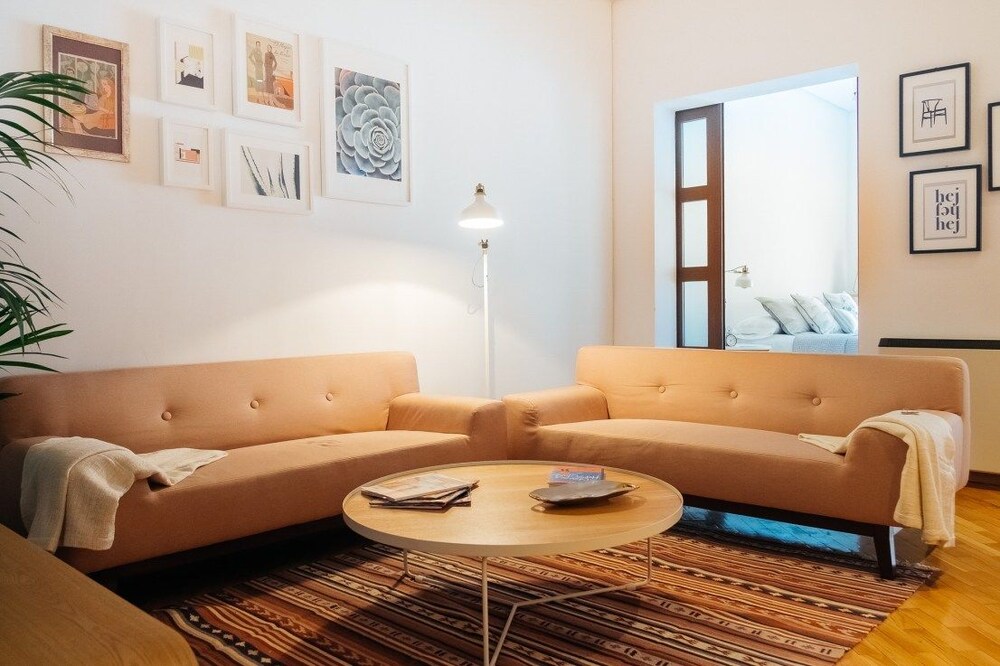
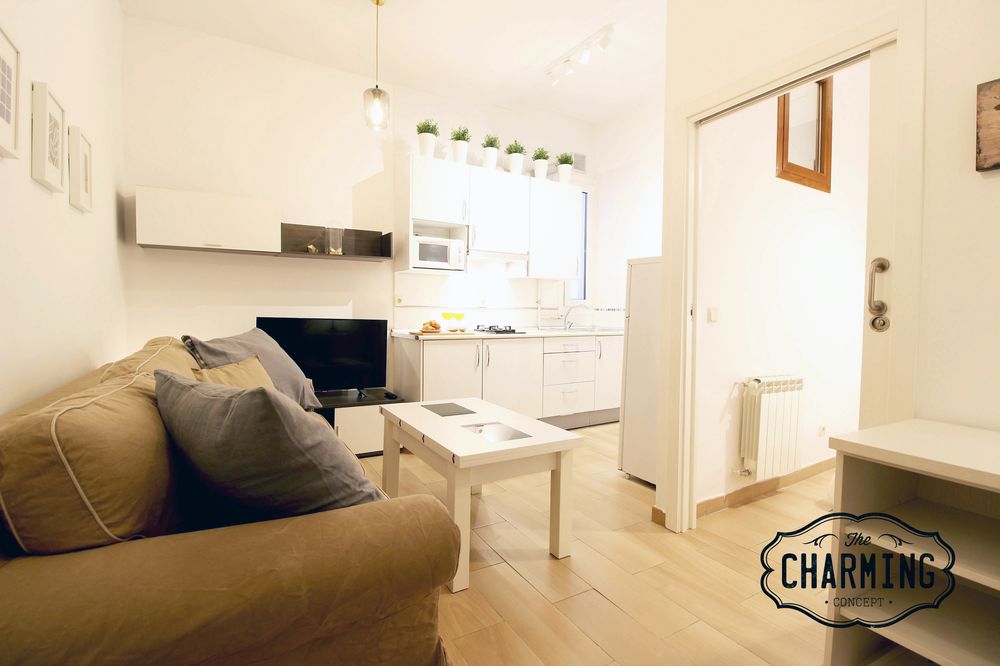
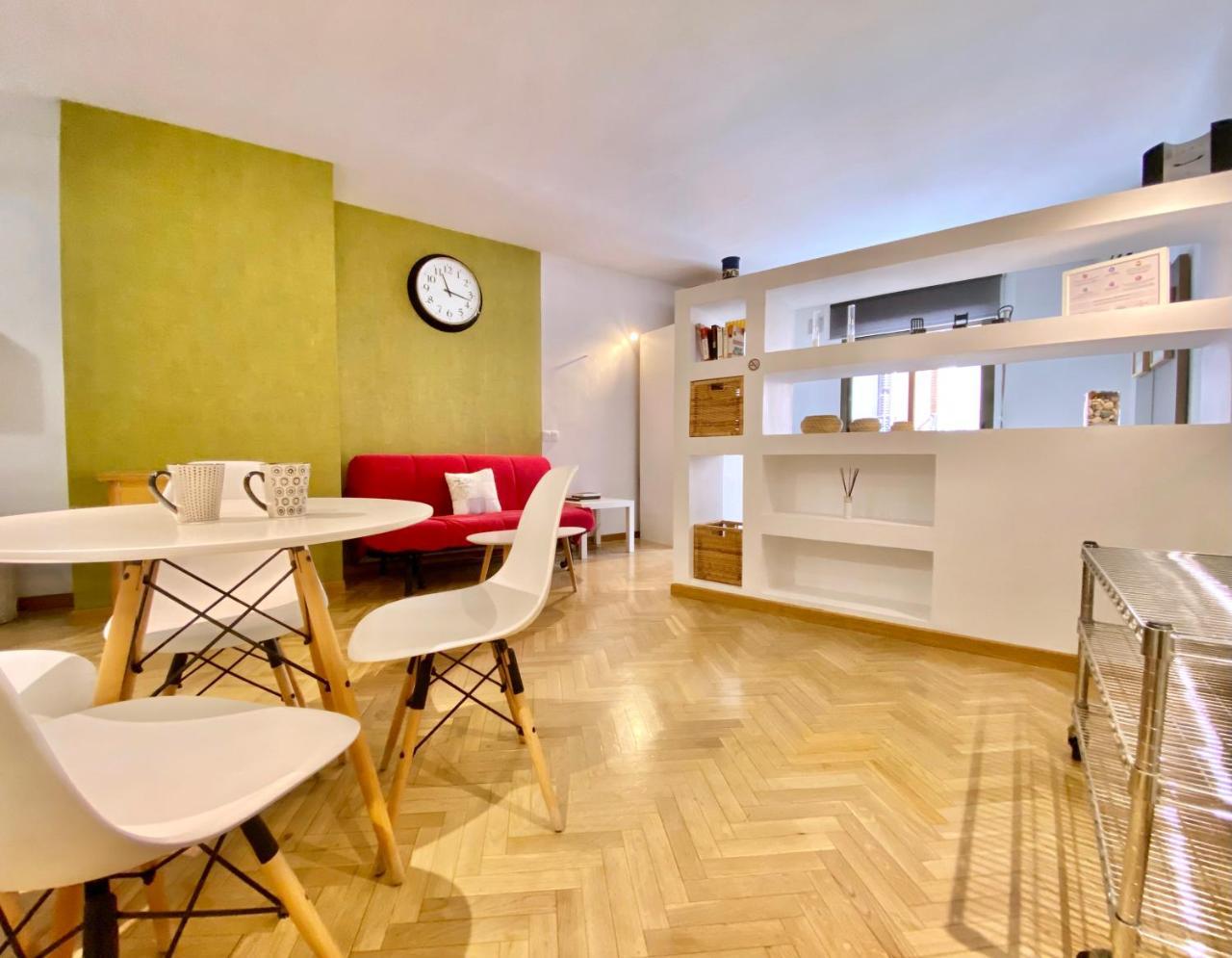
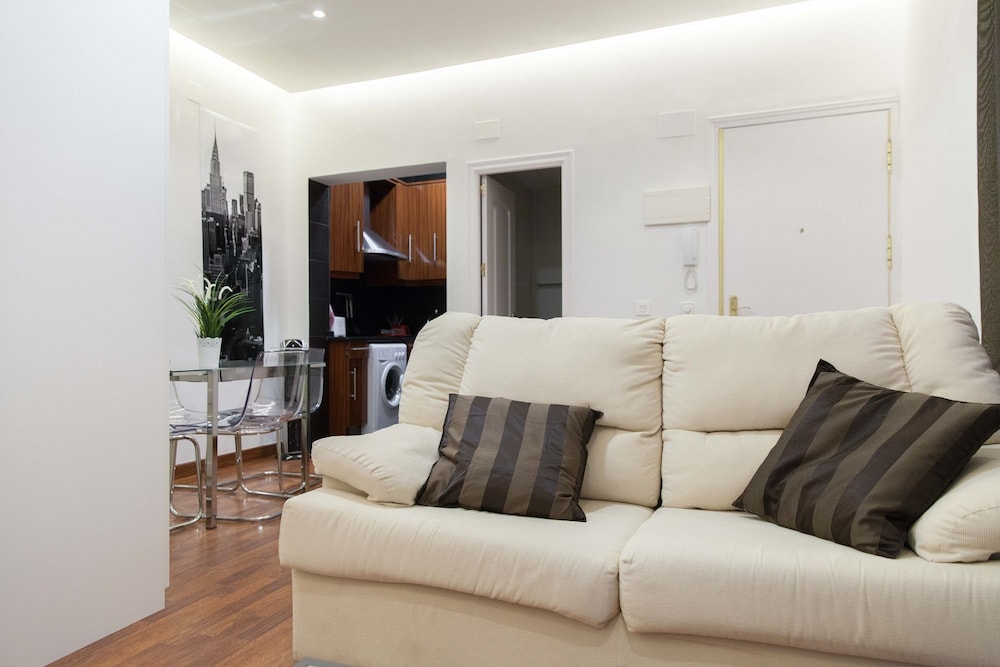
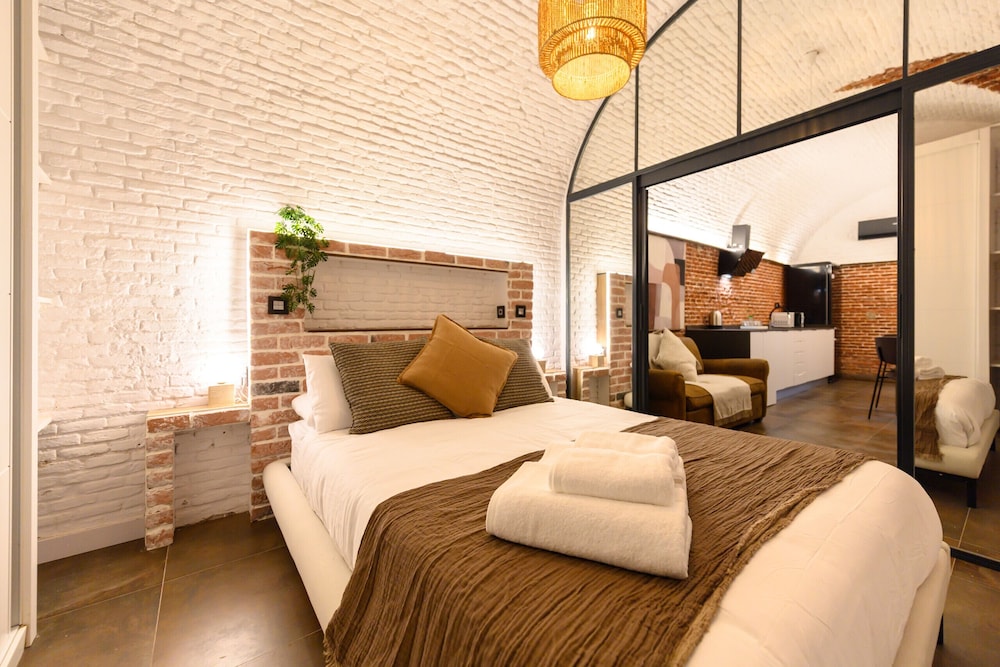
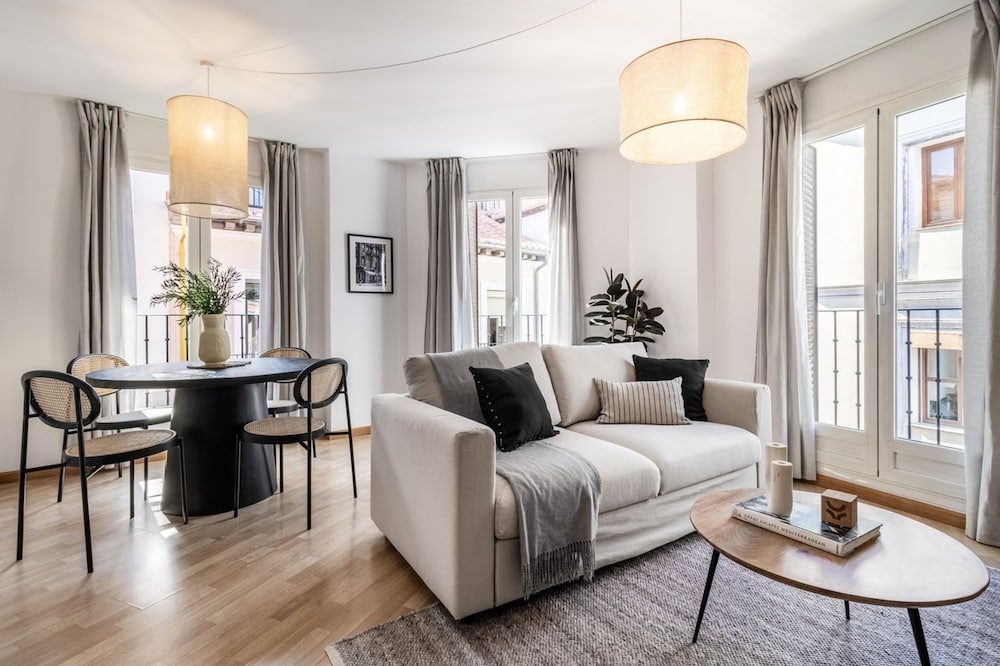
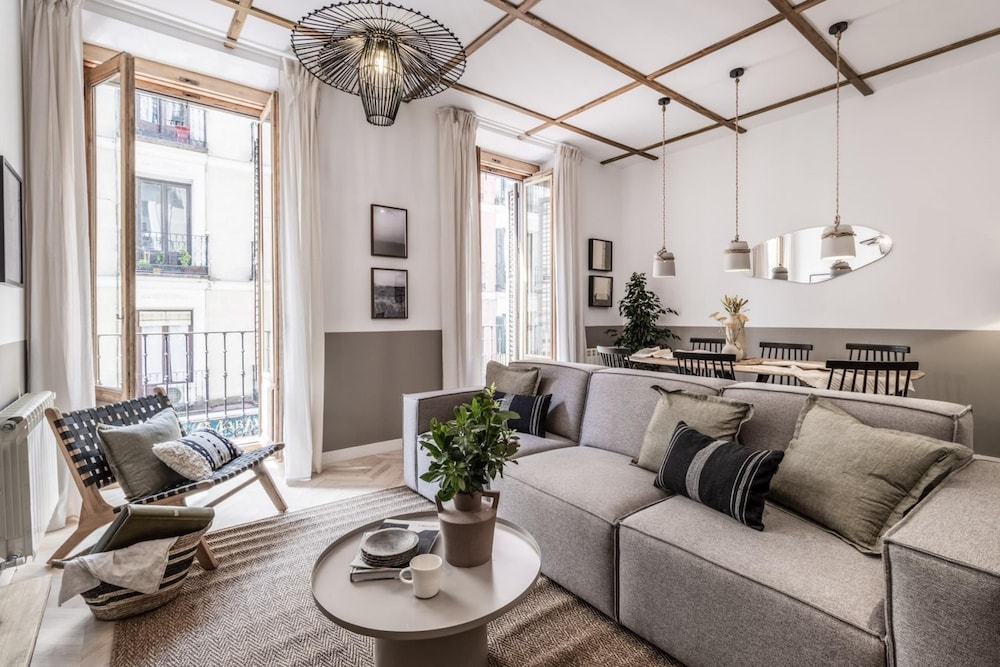
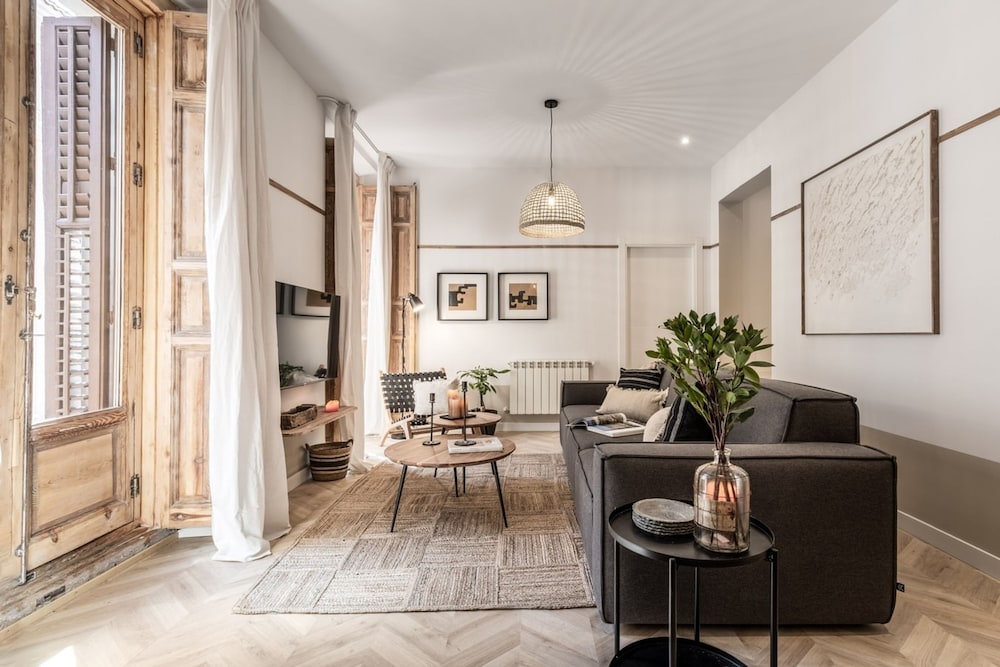
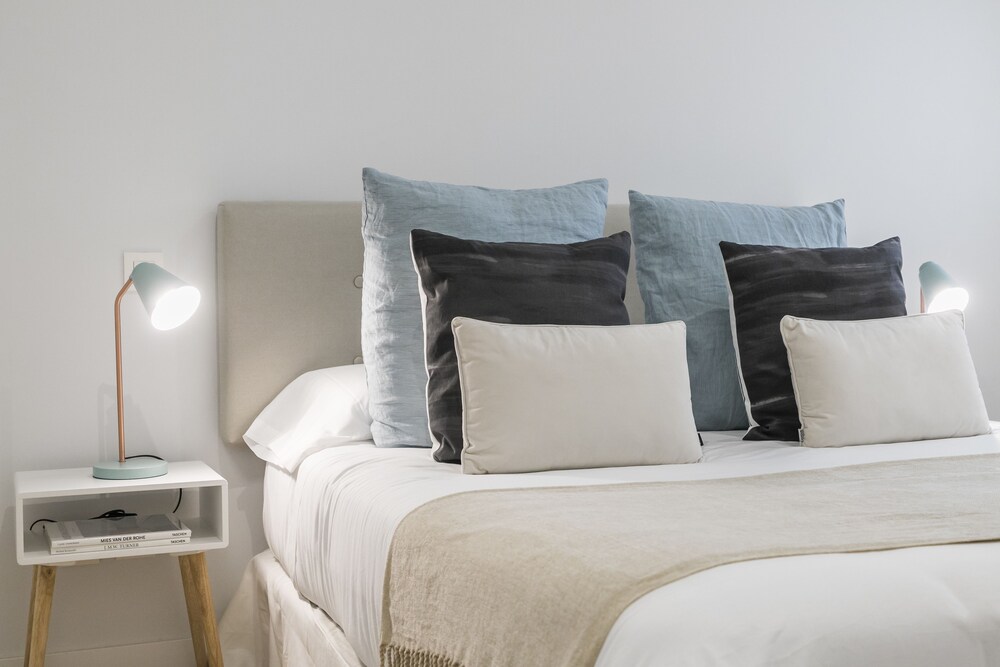
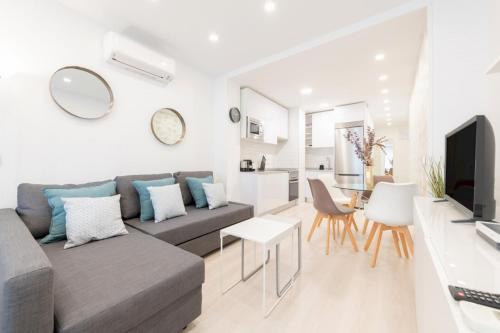
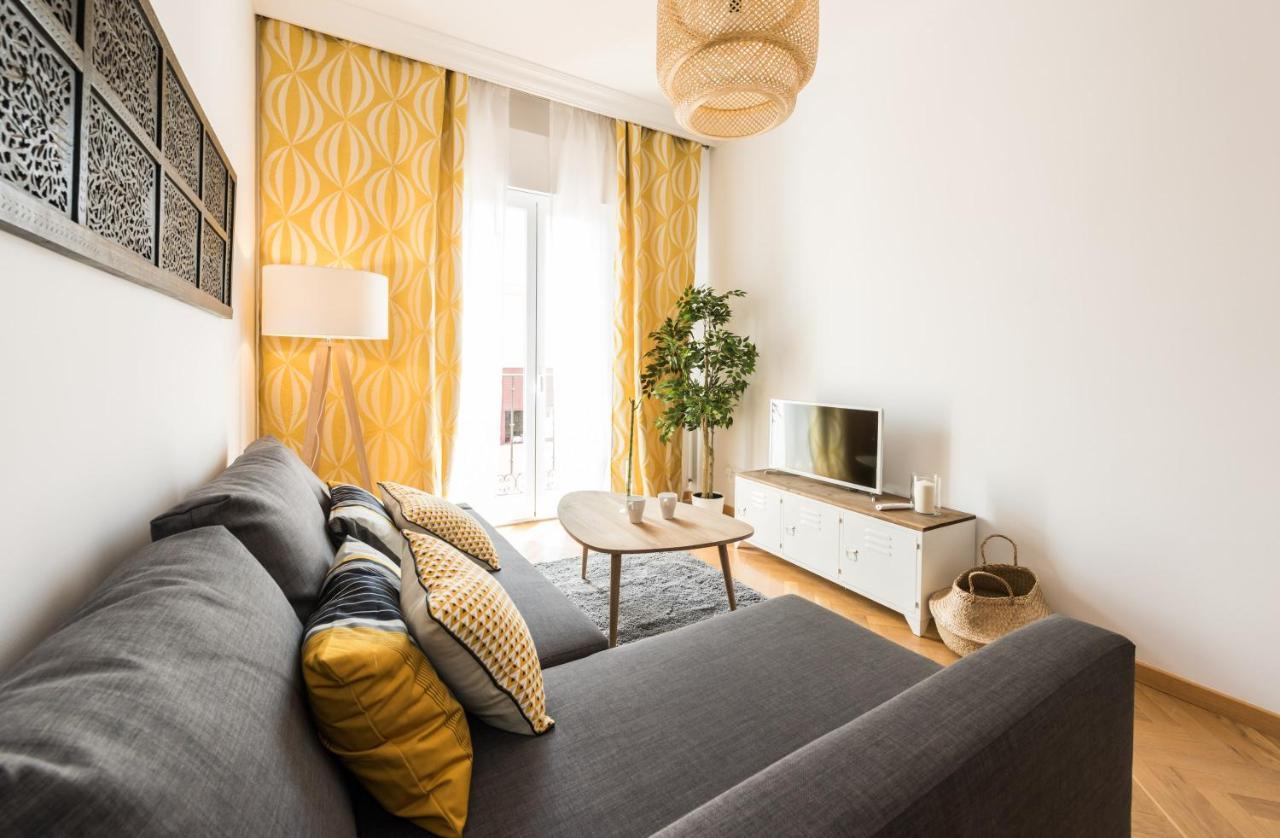
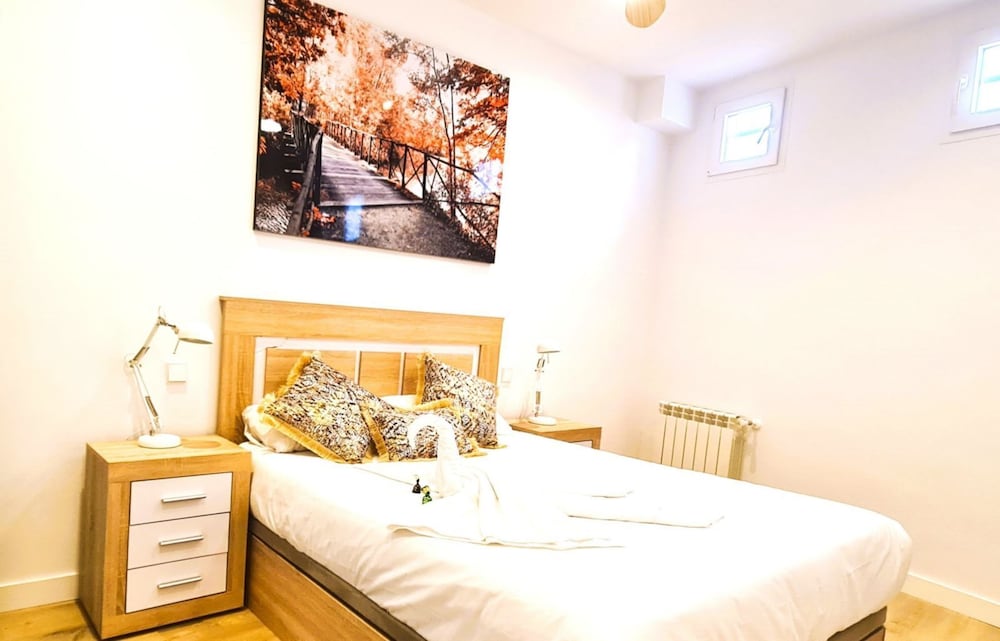
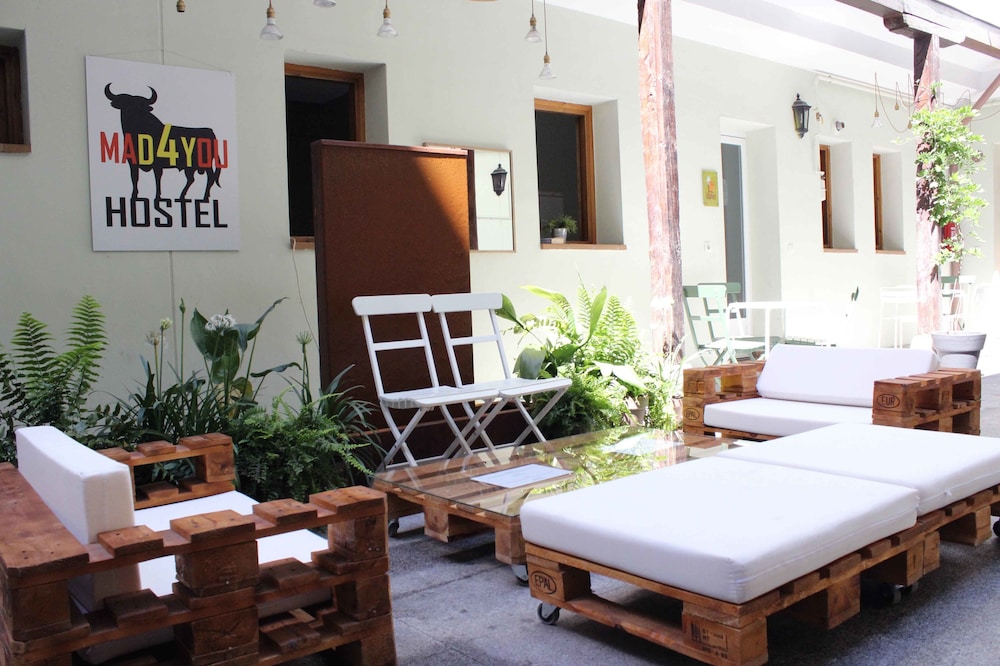
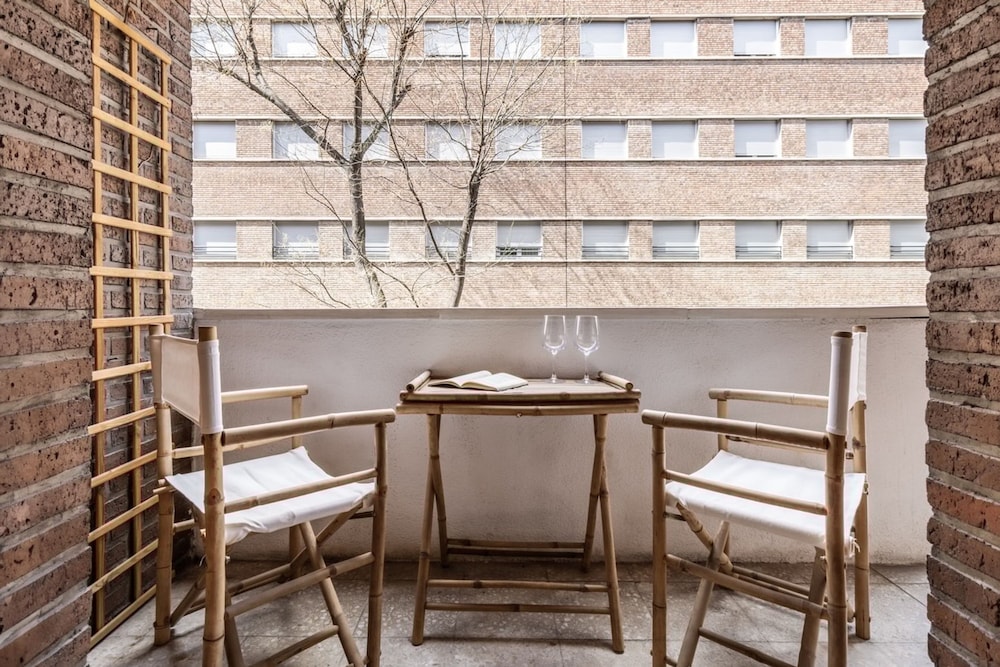
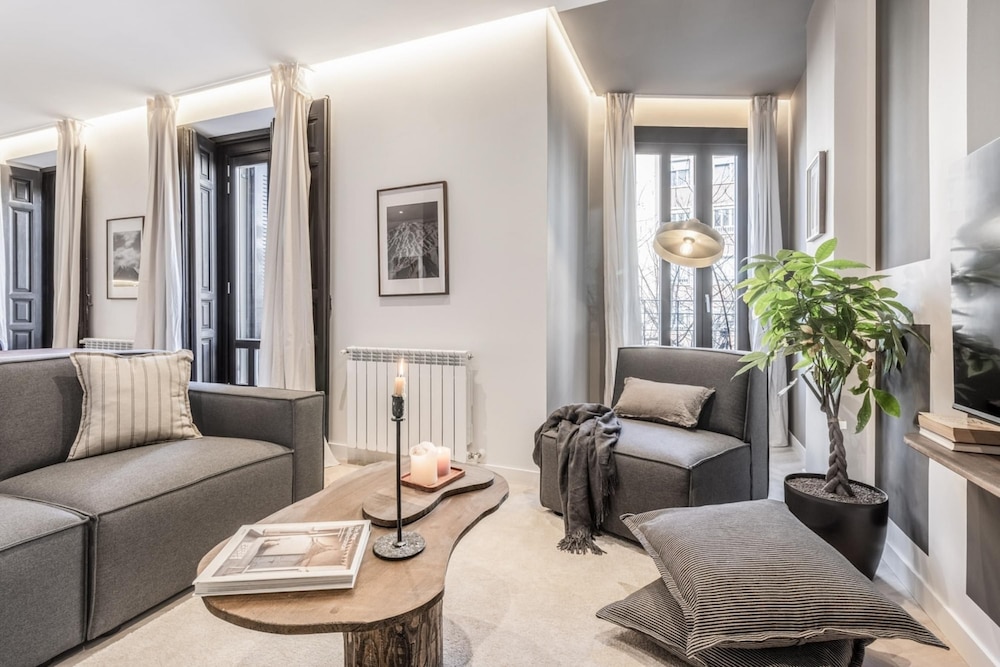
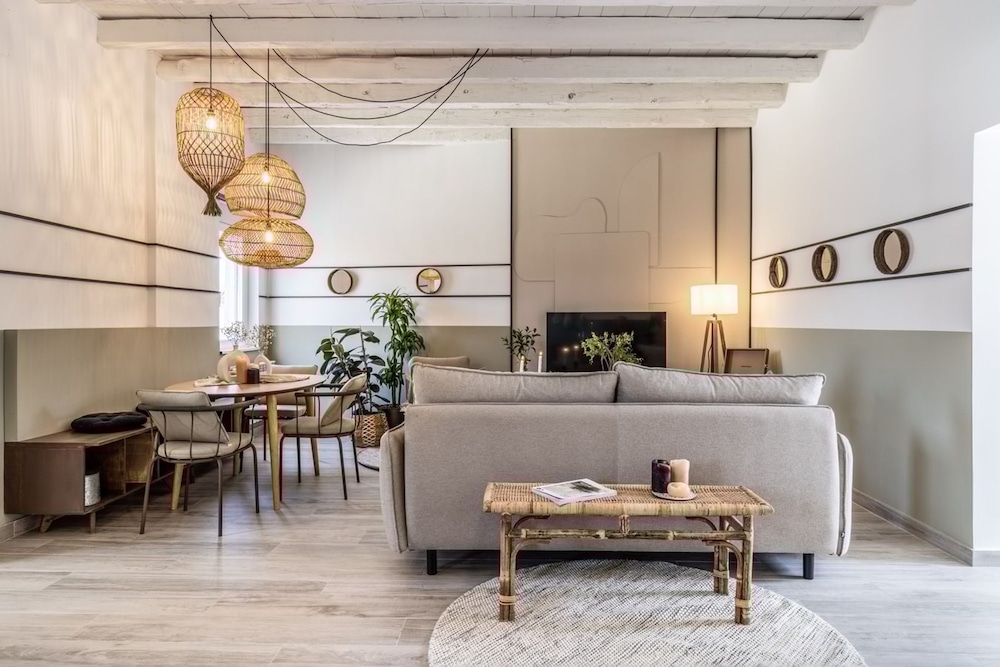
For You Rentals Encantador Apartamento Temporal Madrid
13 Calle De Velarde Planta 2 Exterior Izquierda

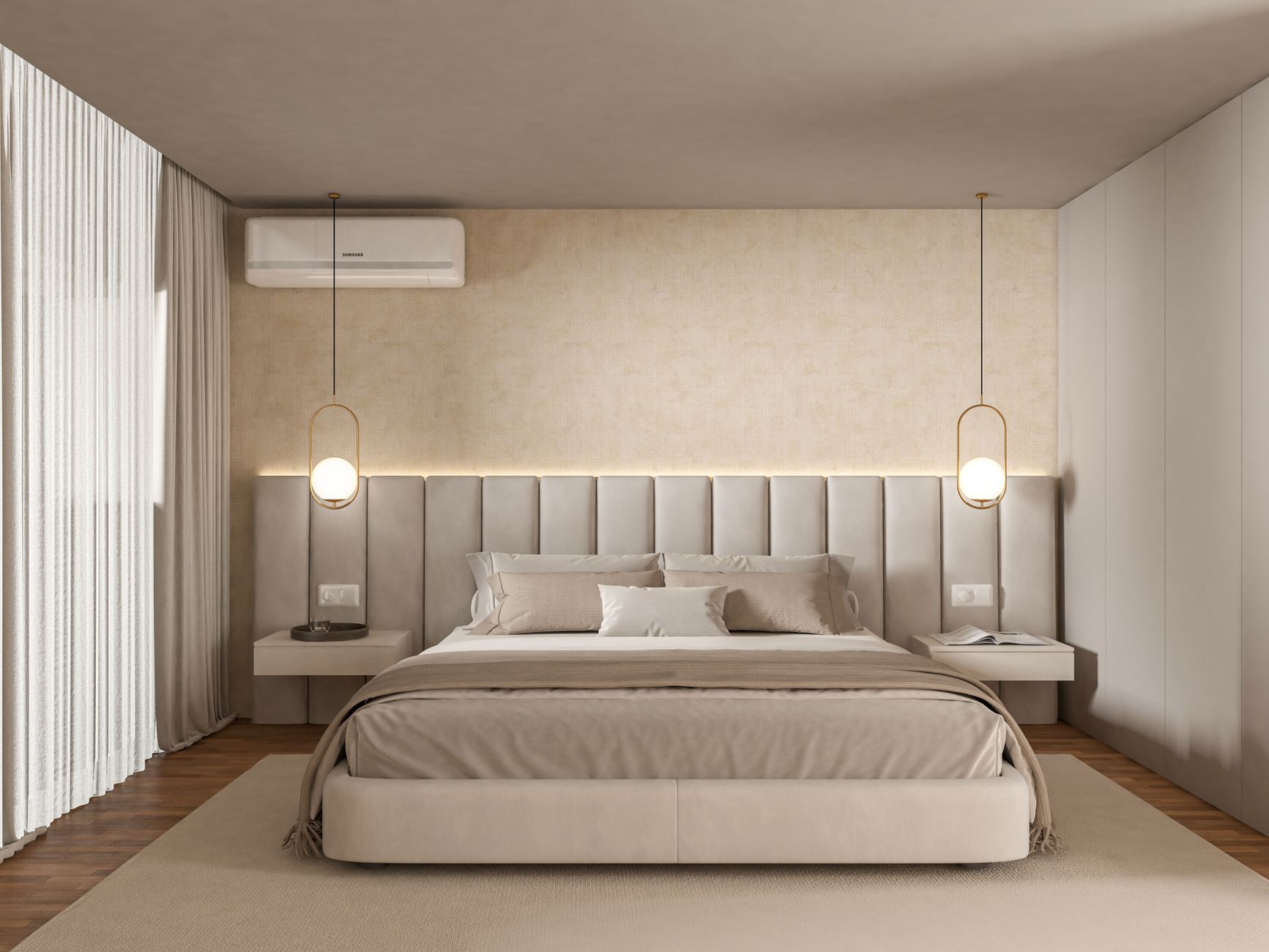

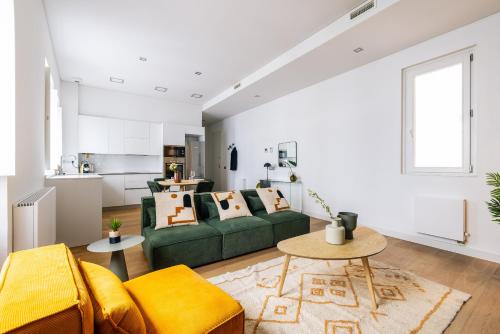

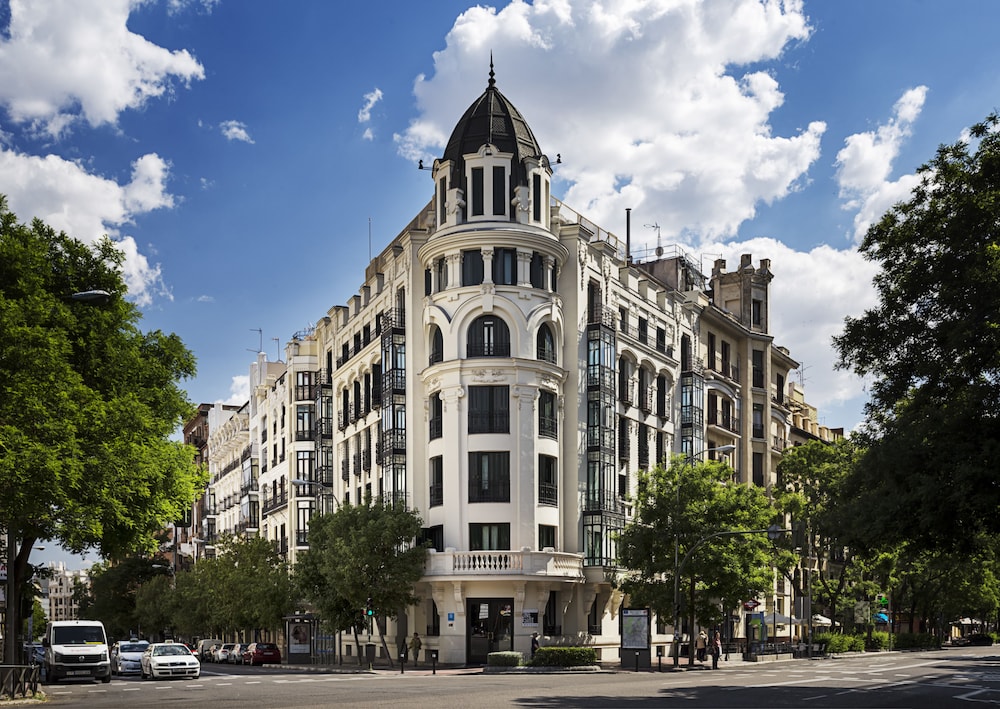
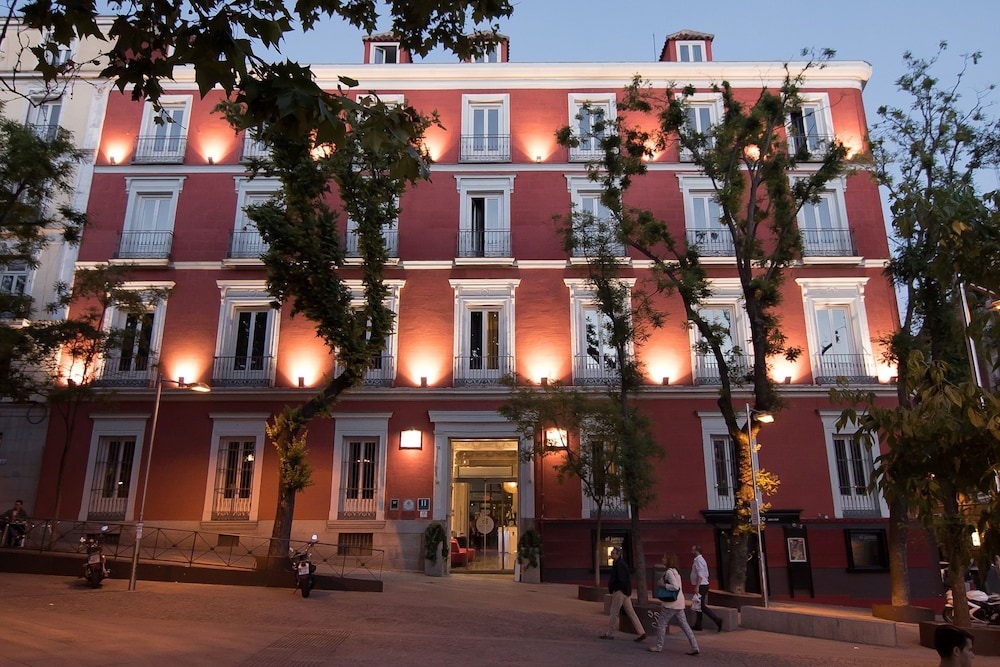
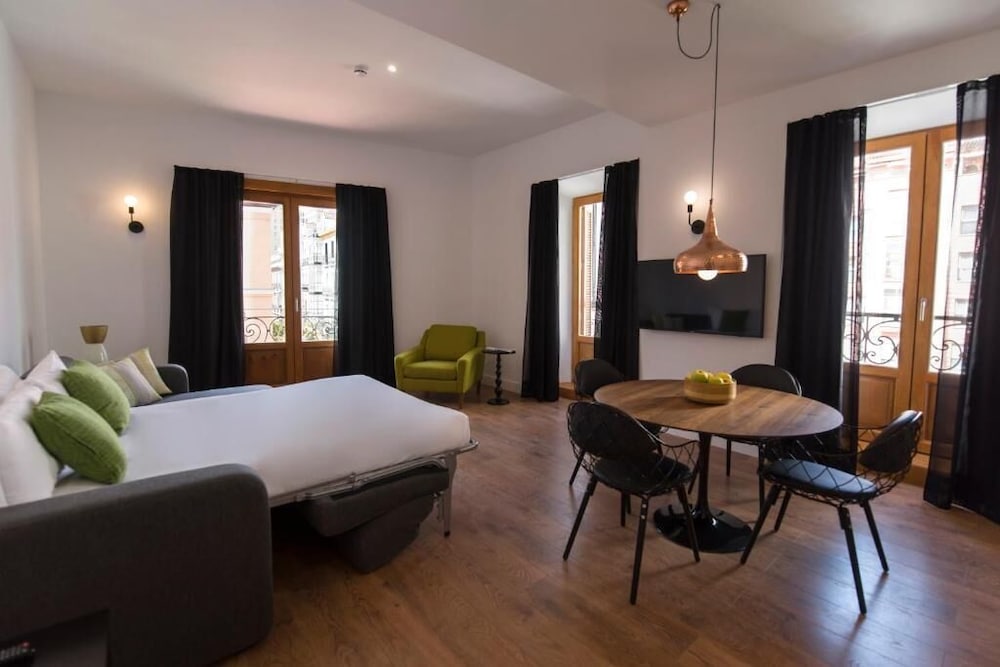
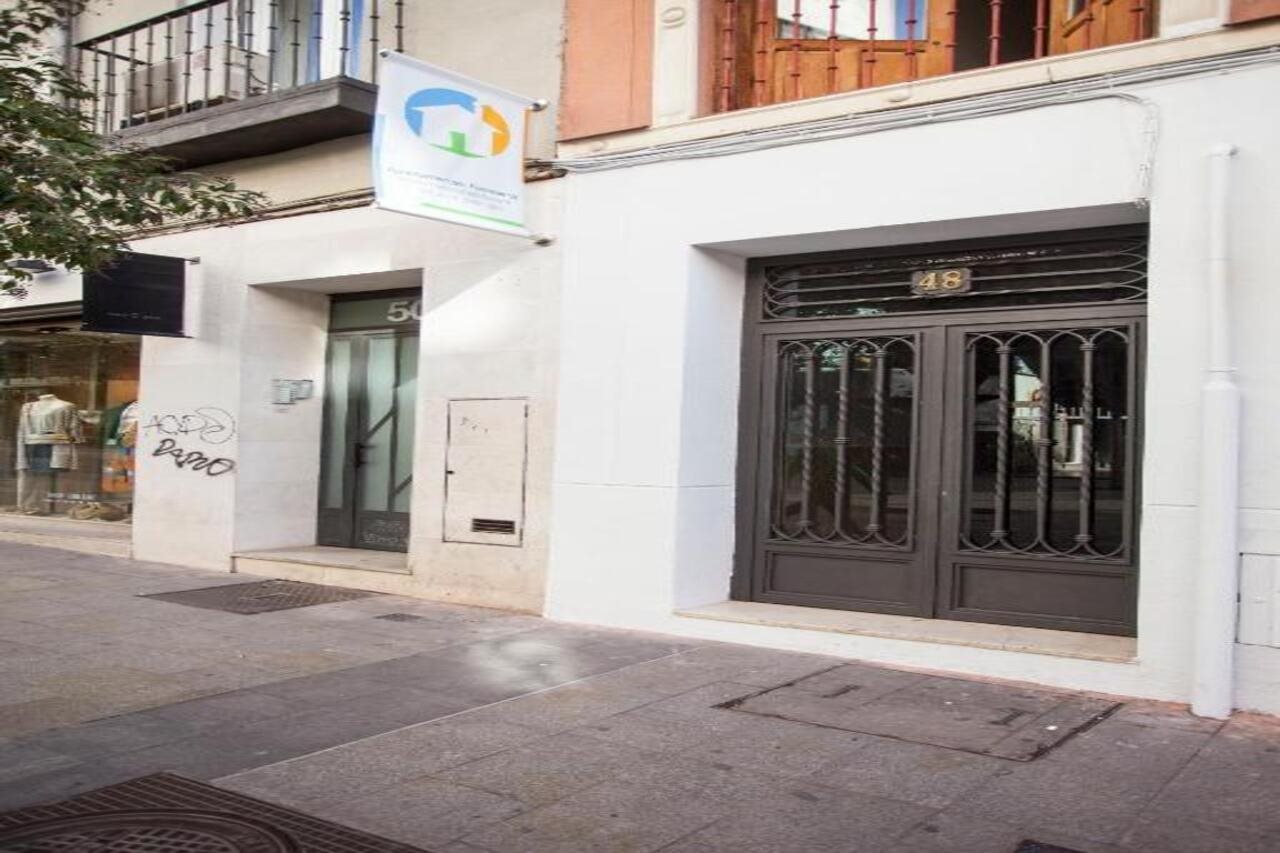
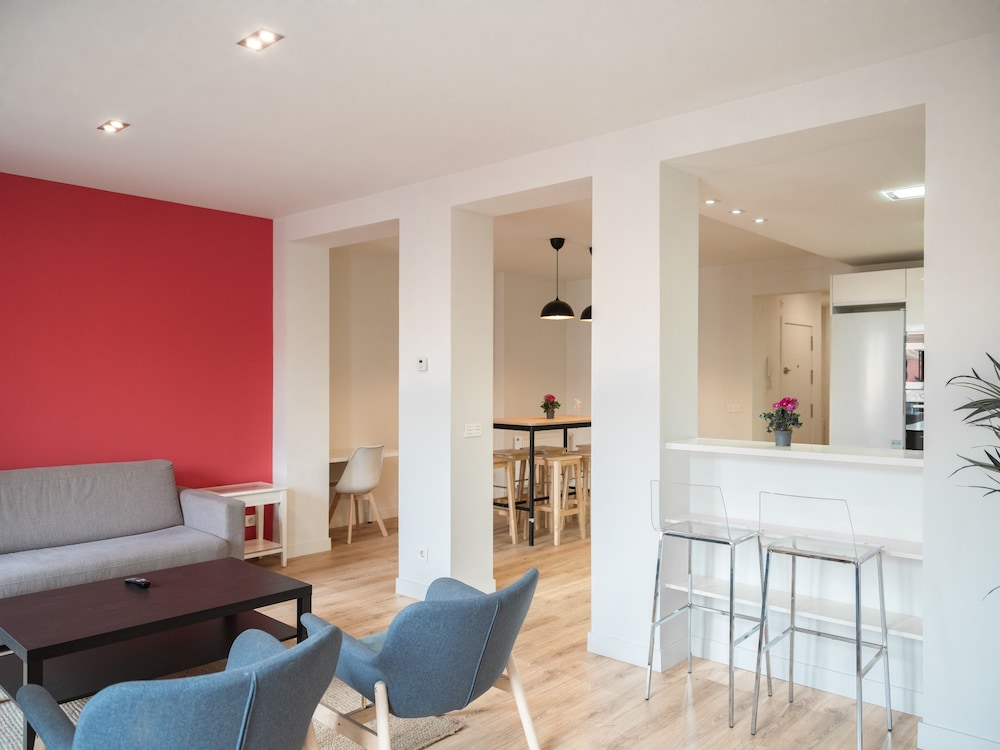
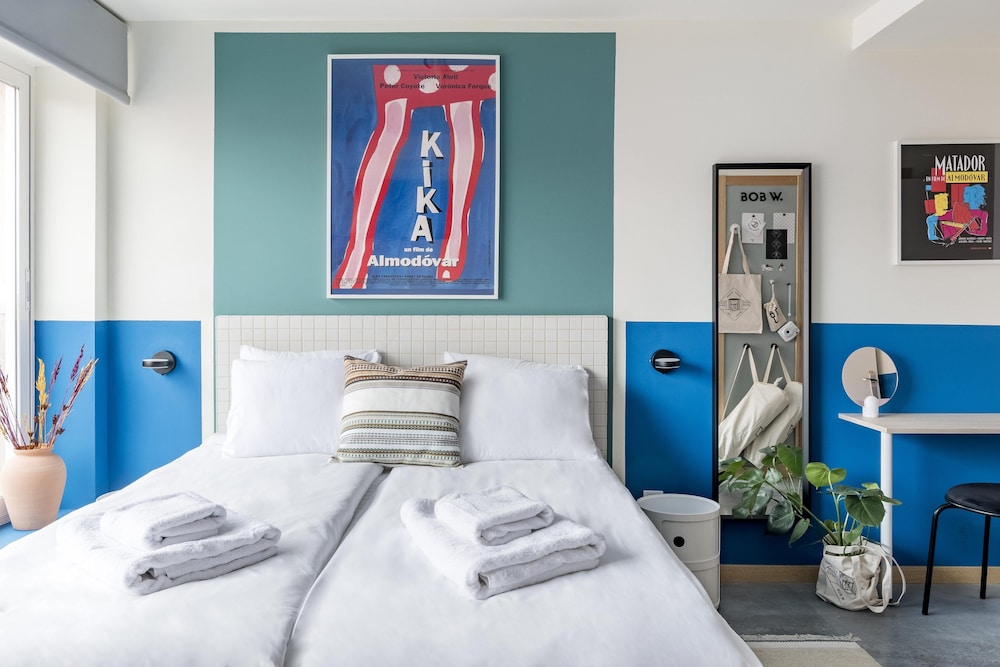
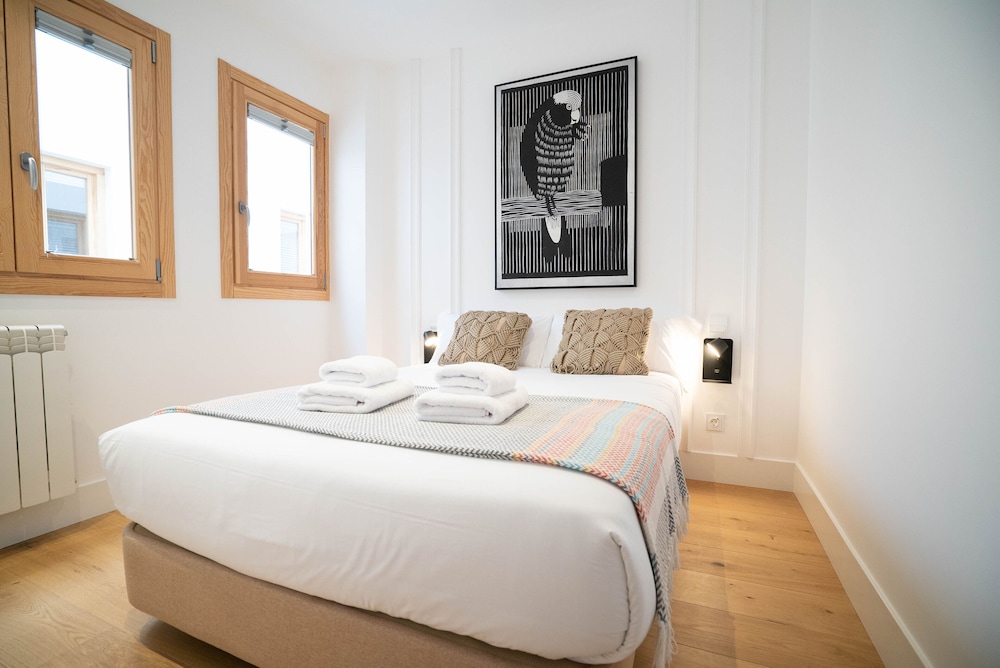
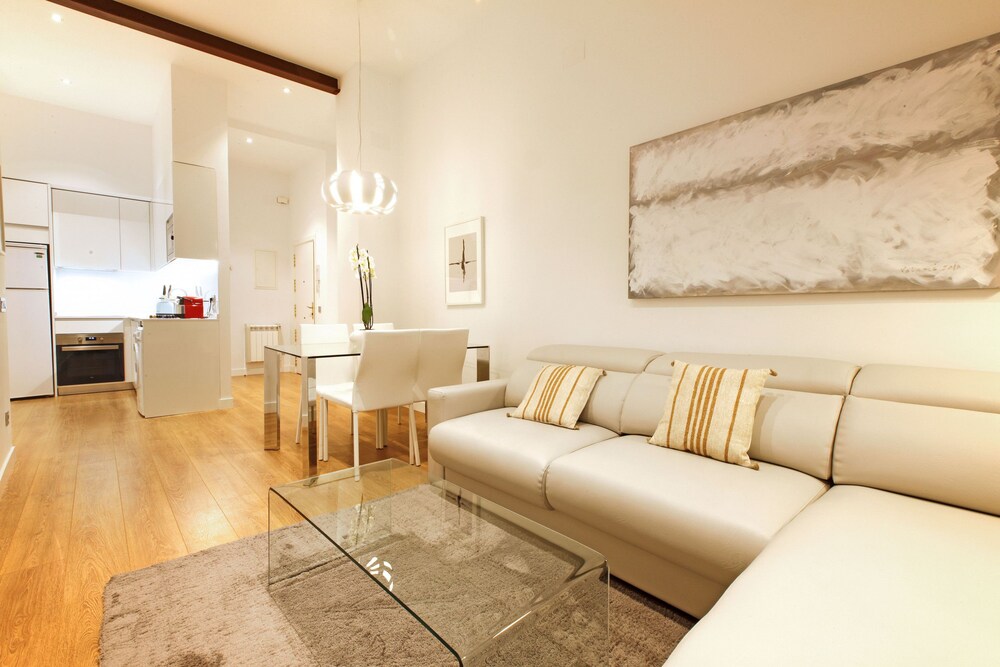
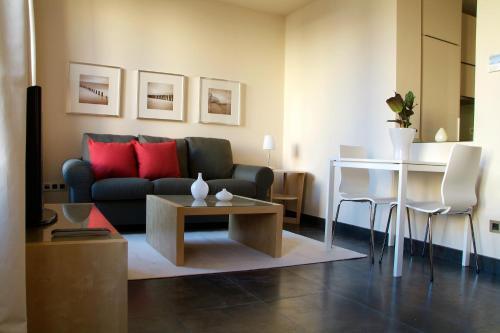
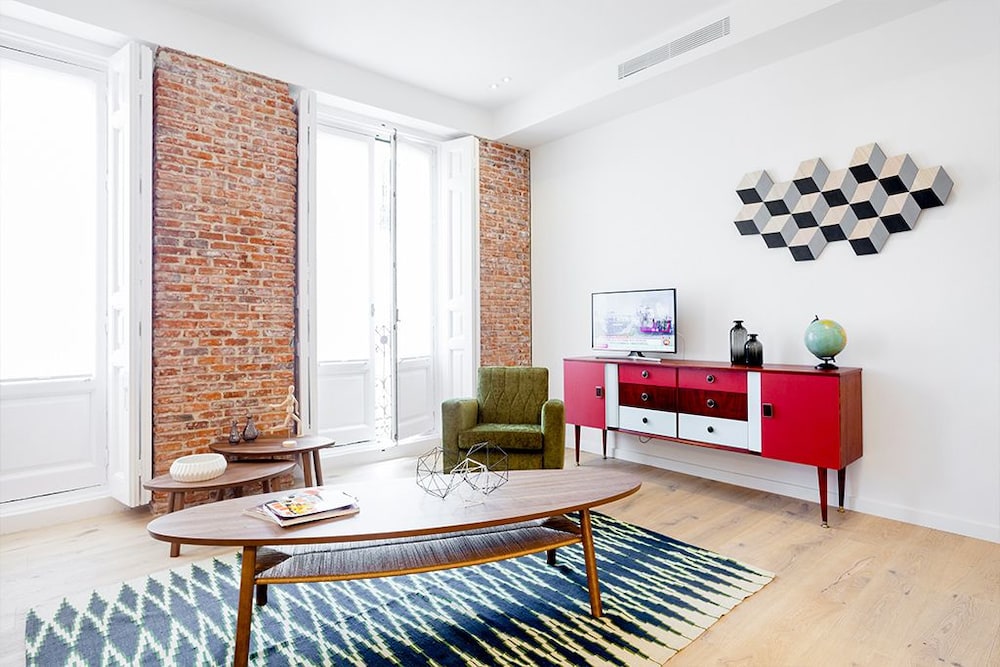
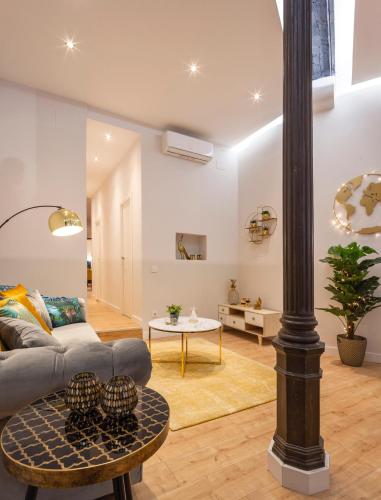
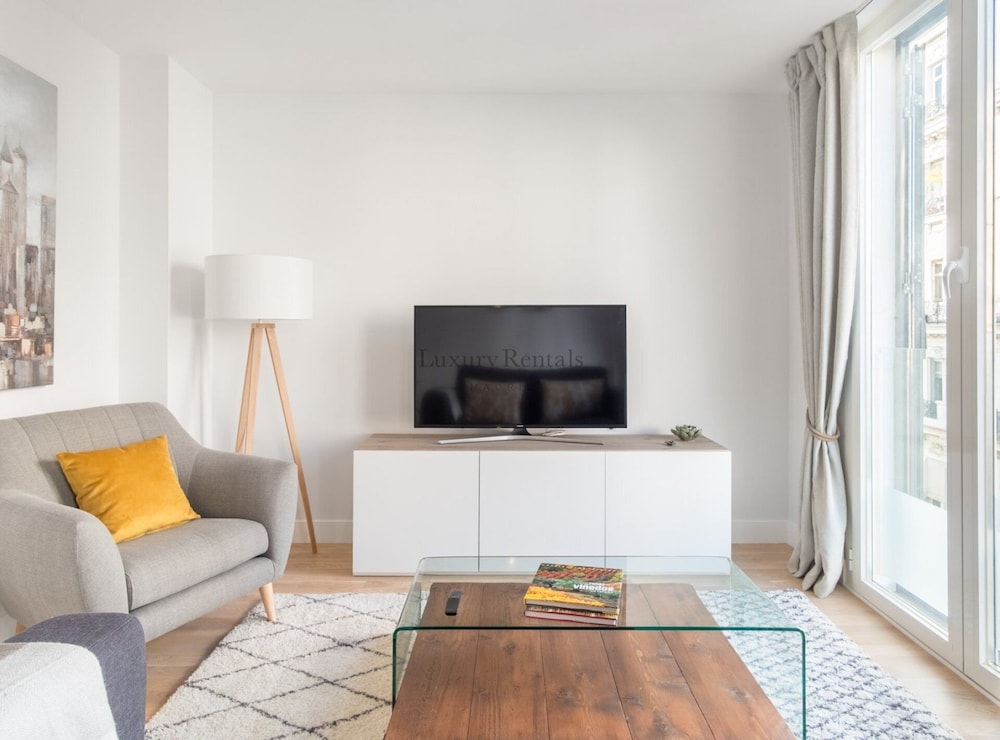
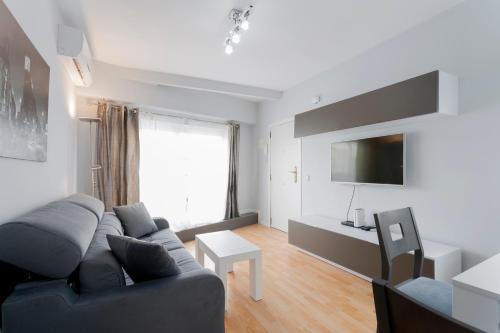
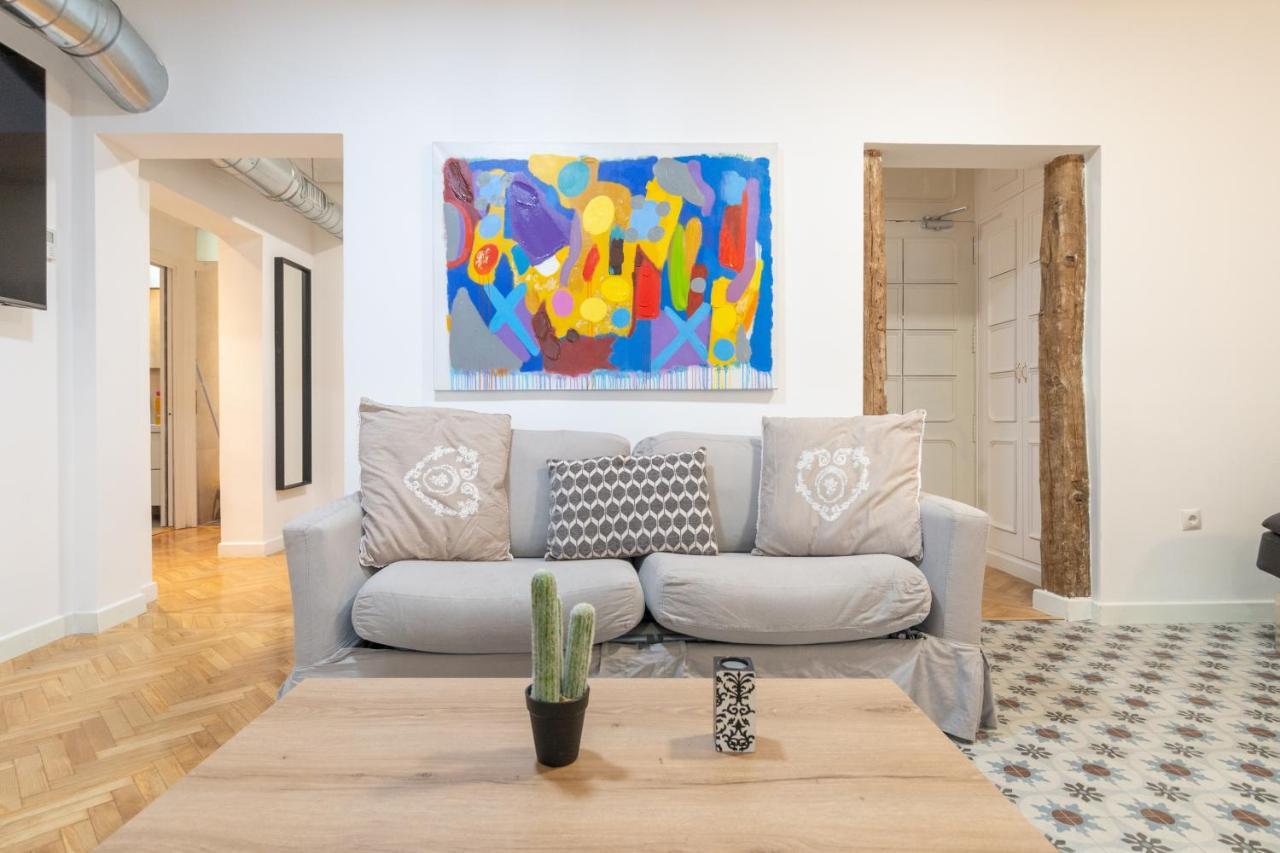
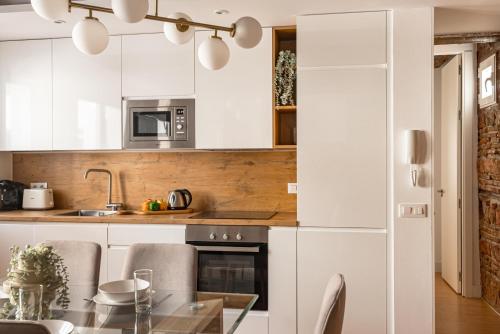
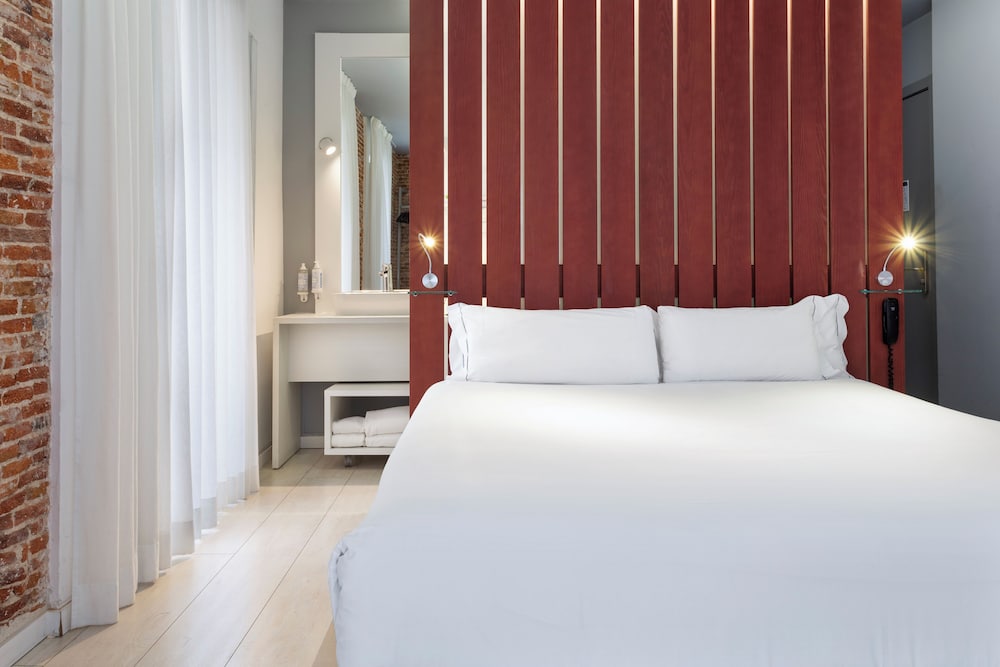
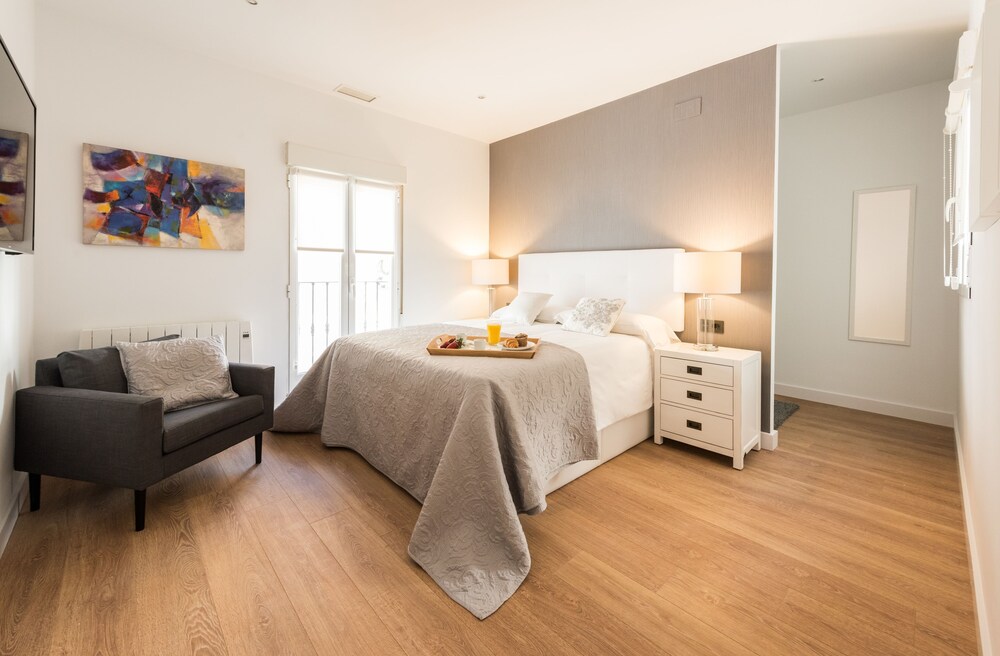
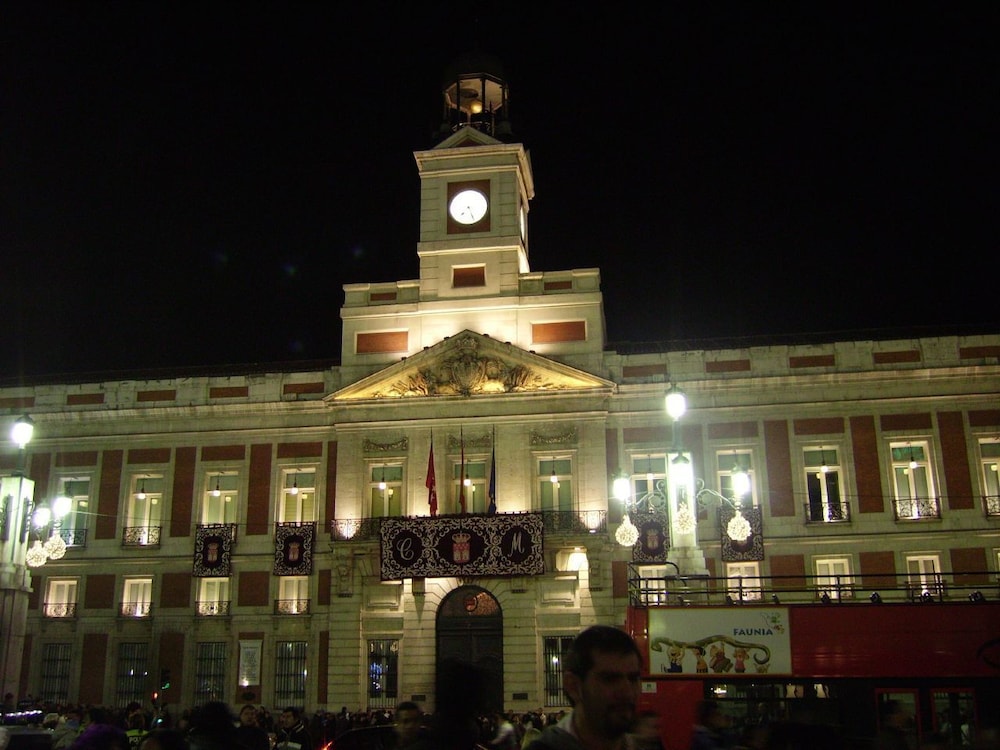
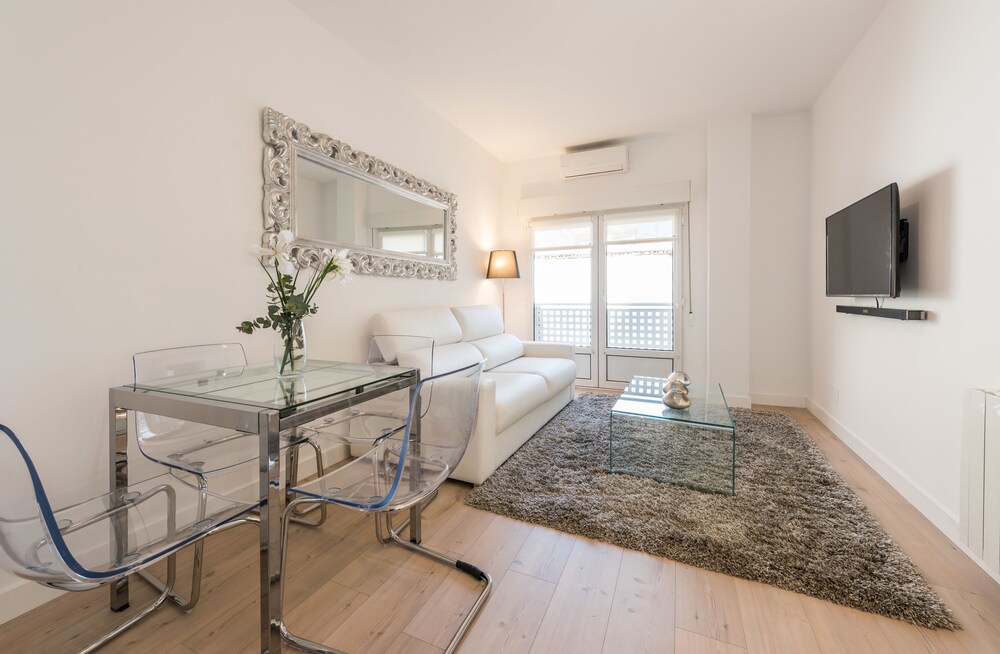
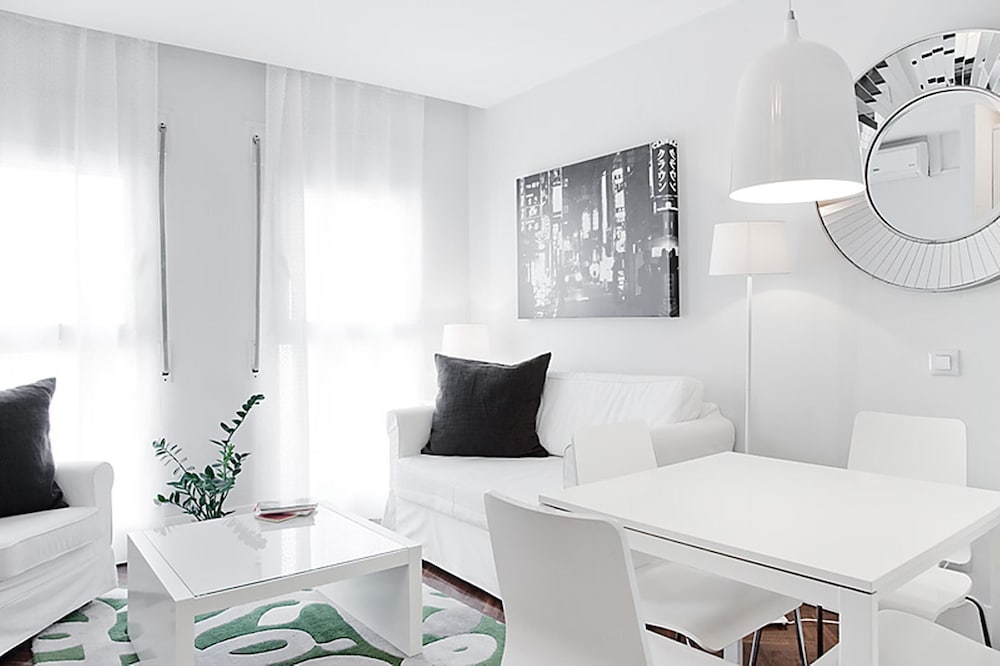
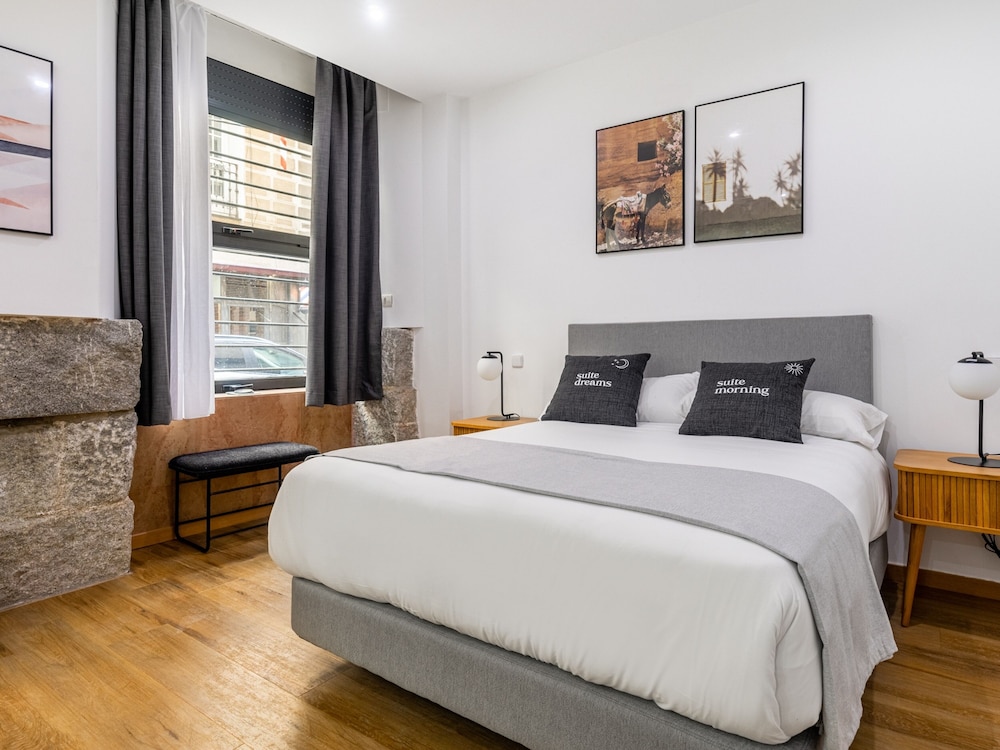
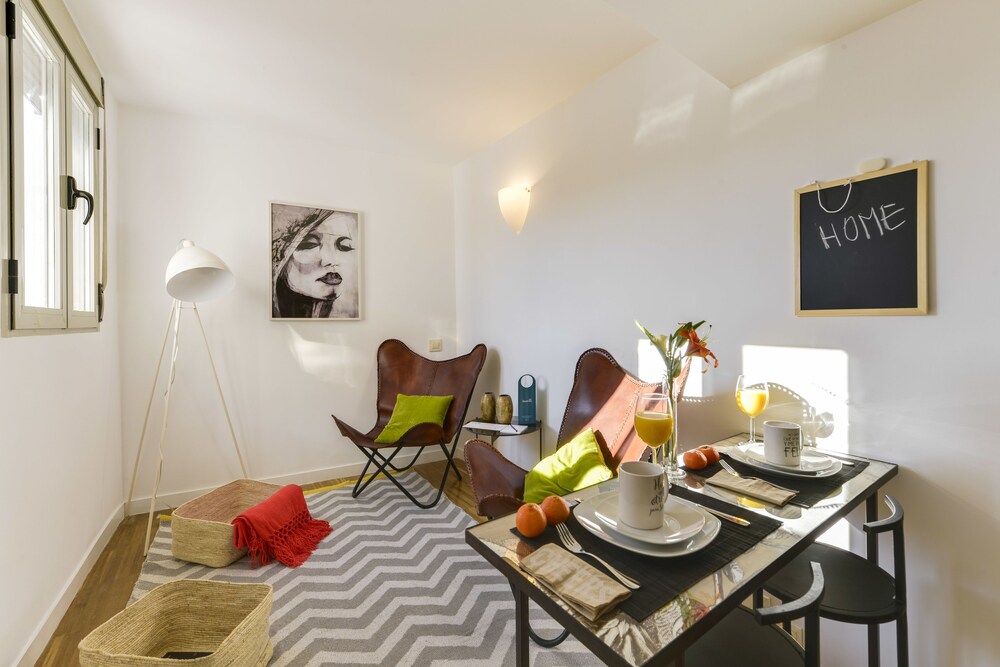
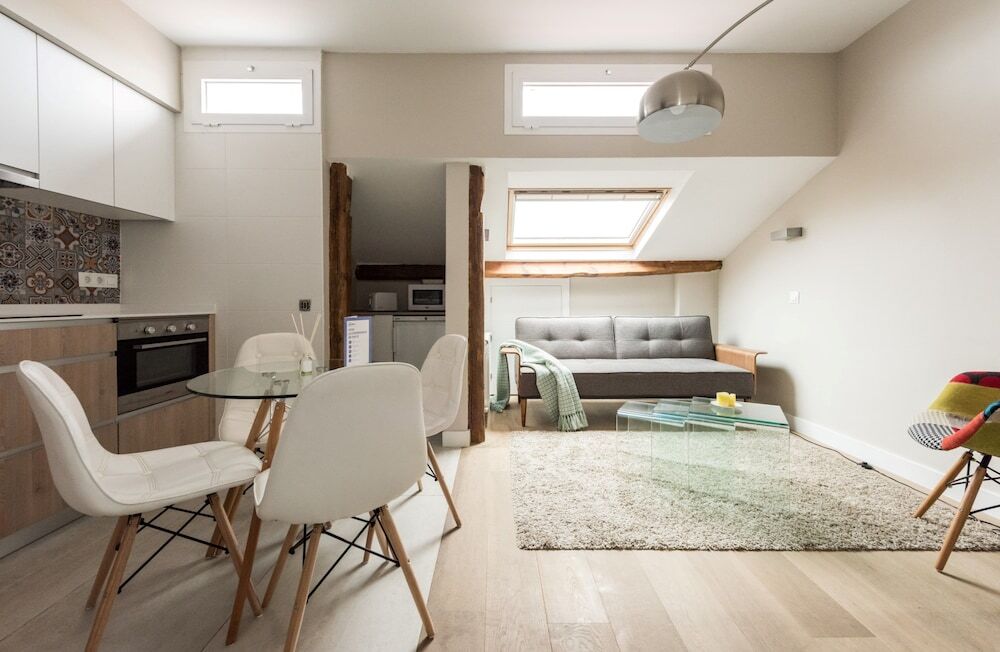
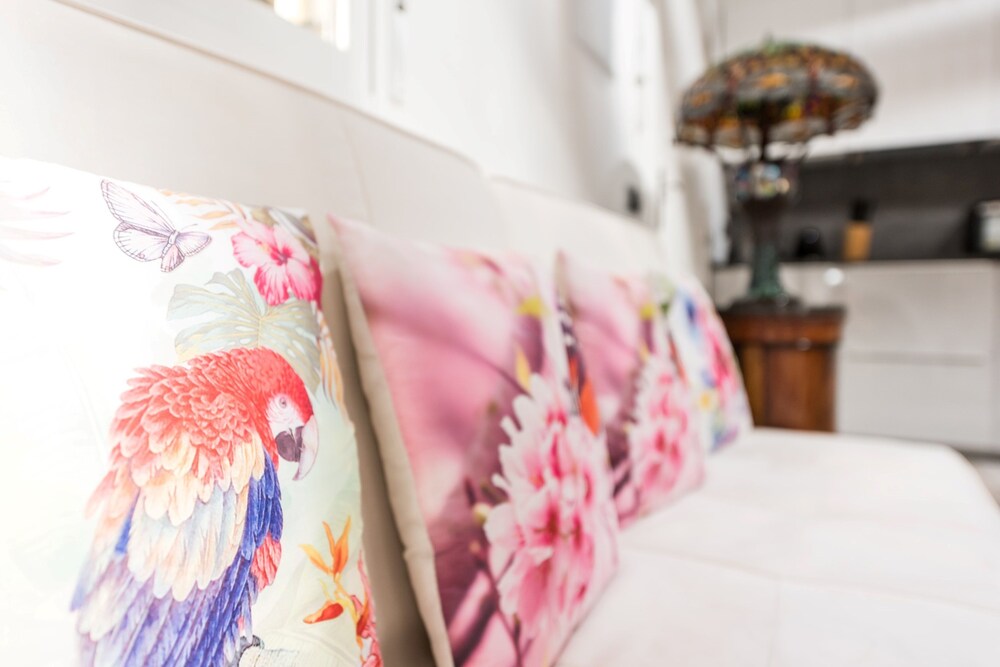
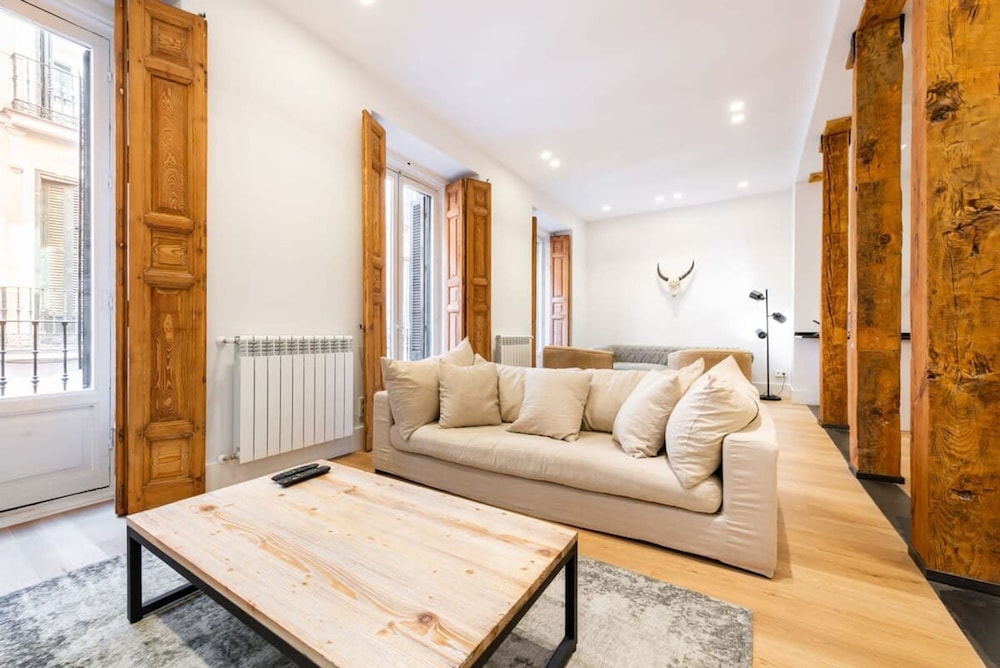
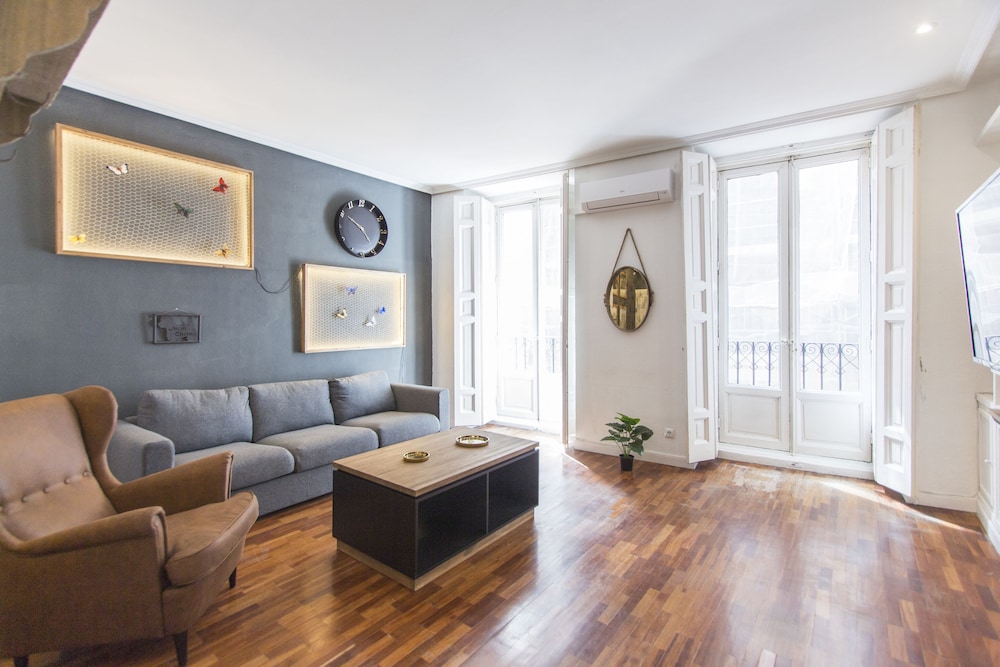
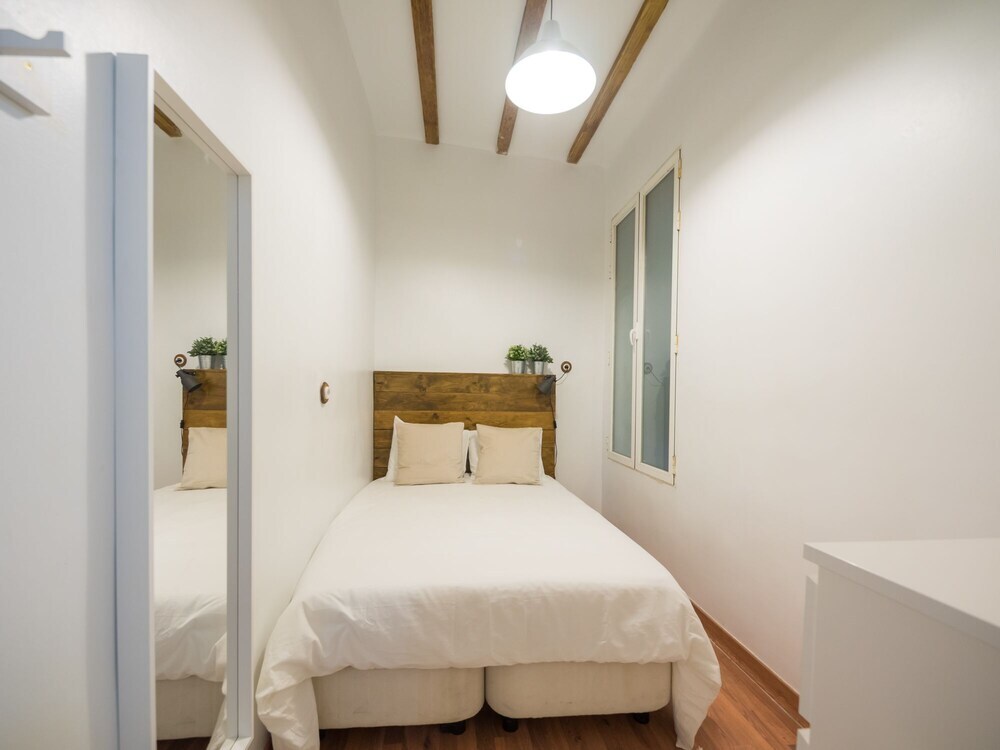
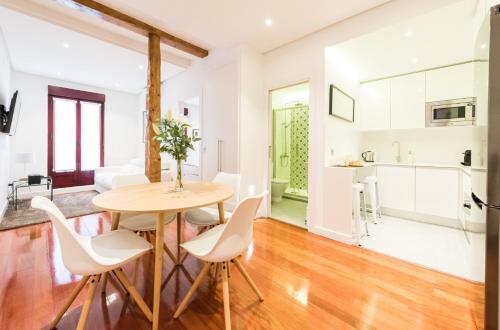

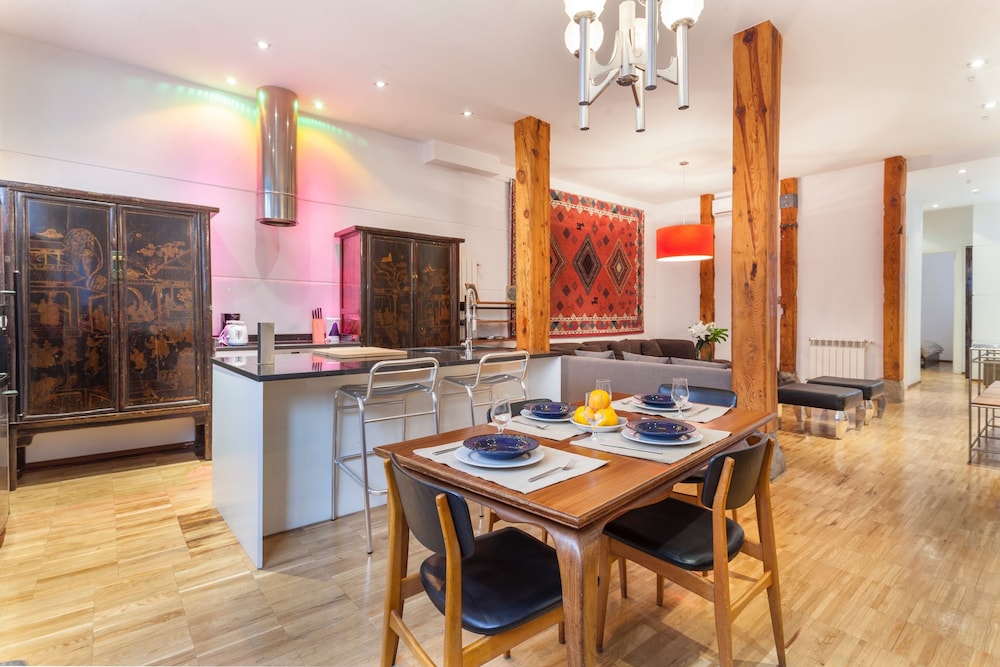
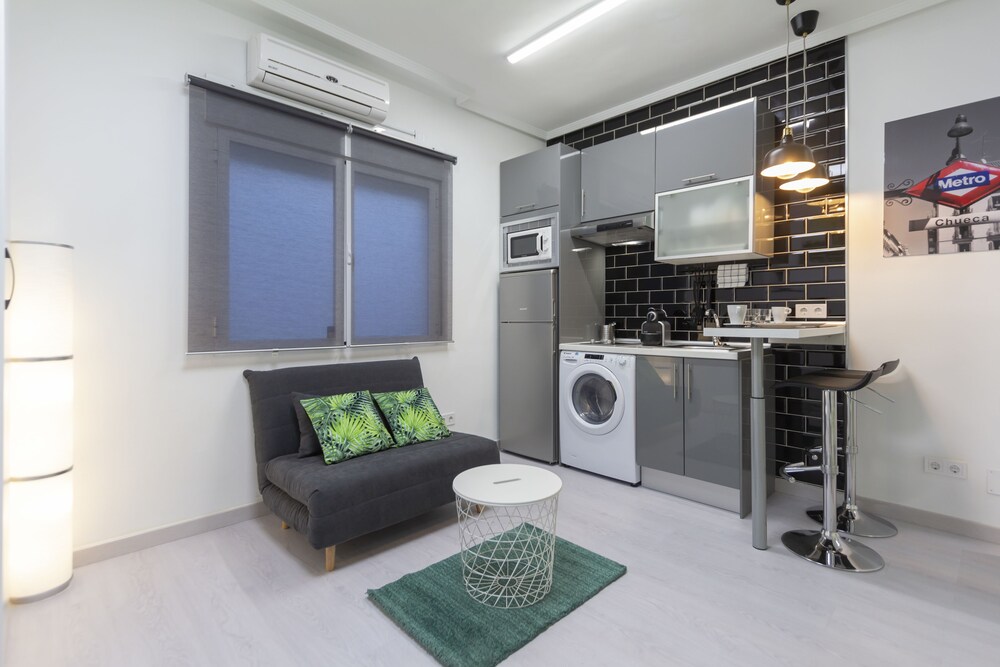
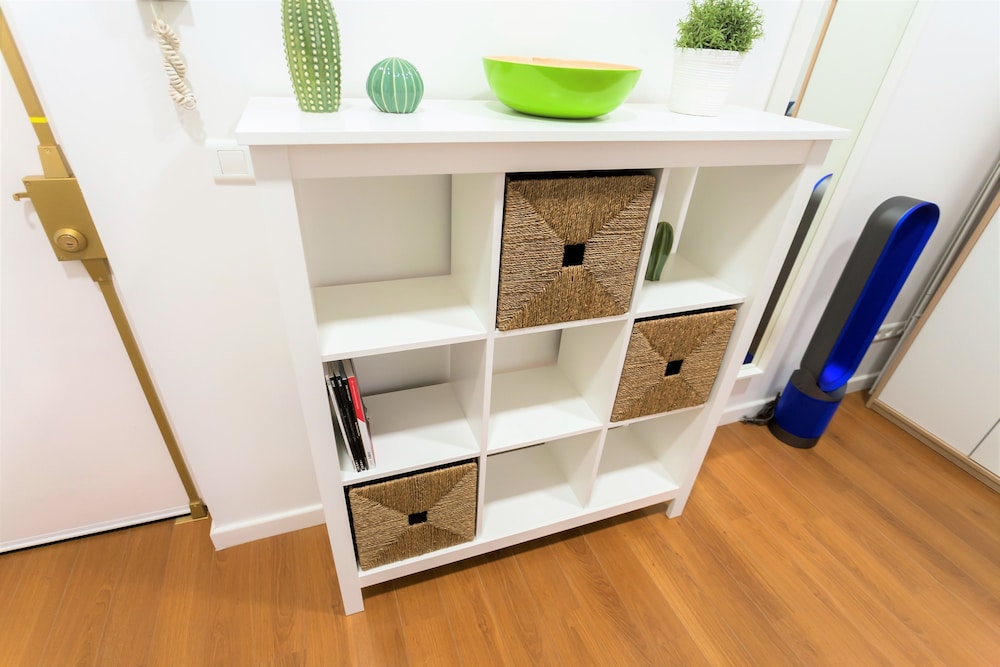
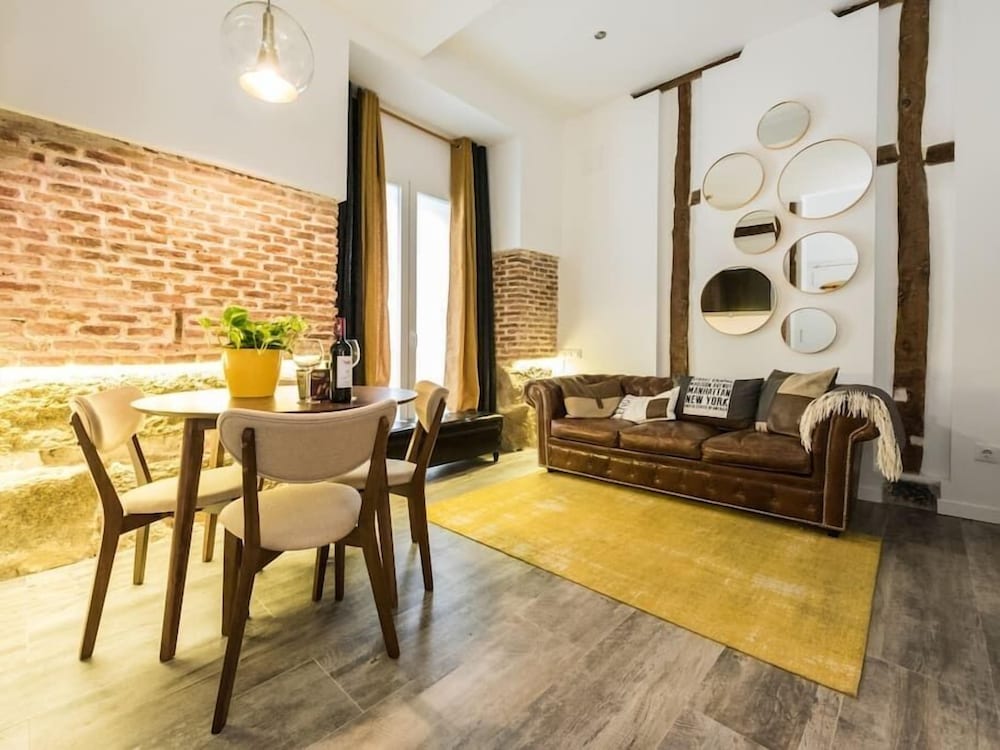
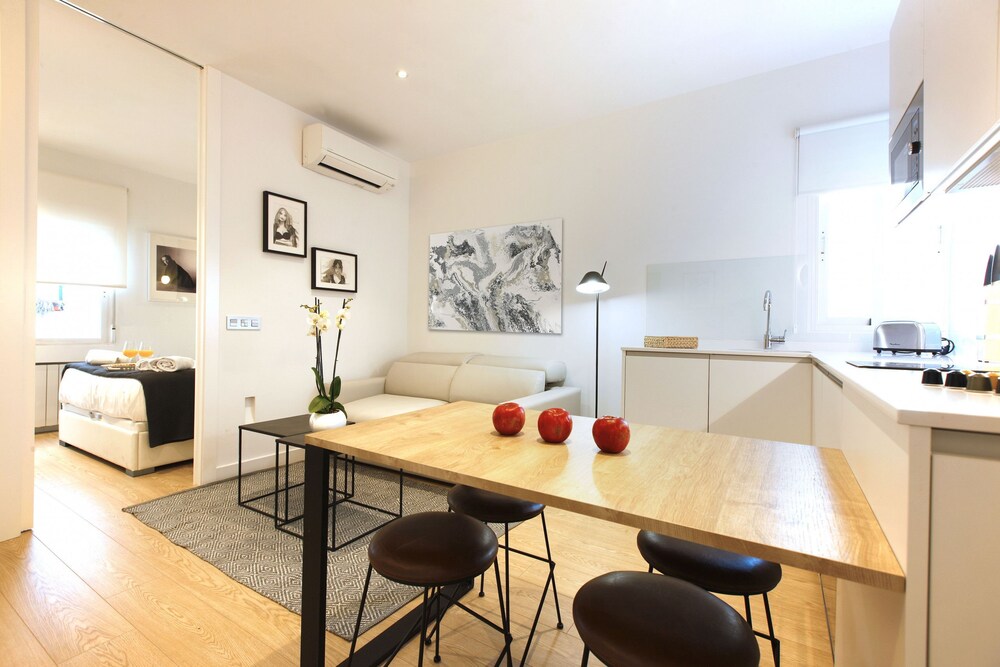
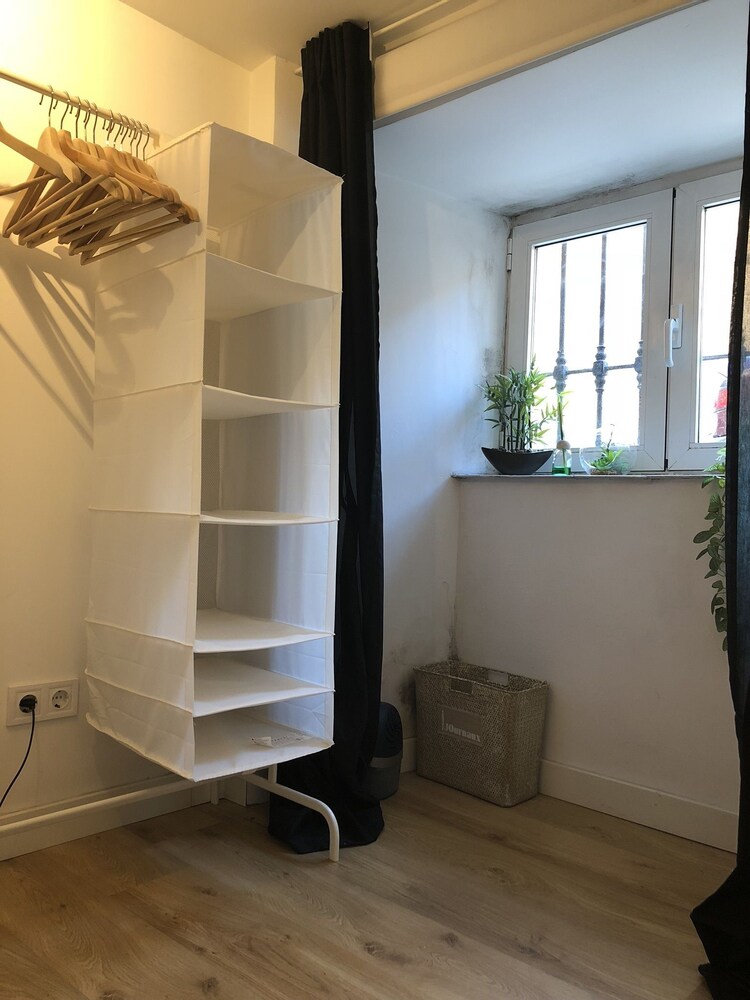
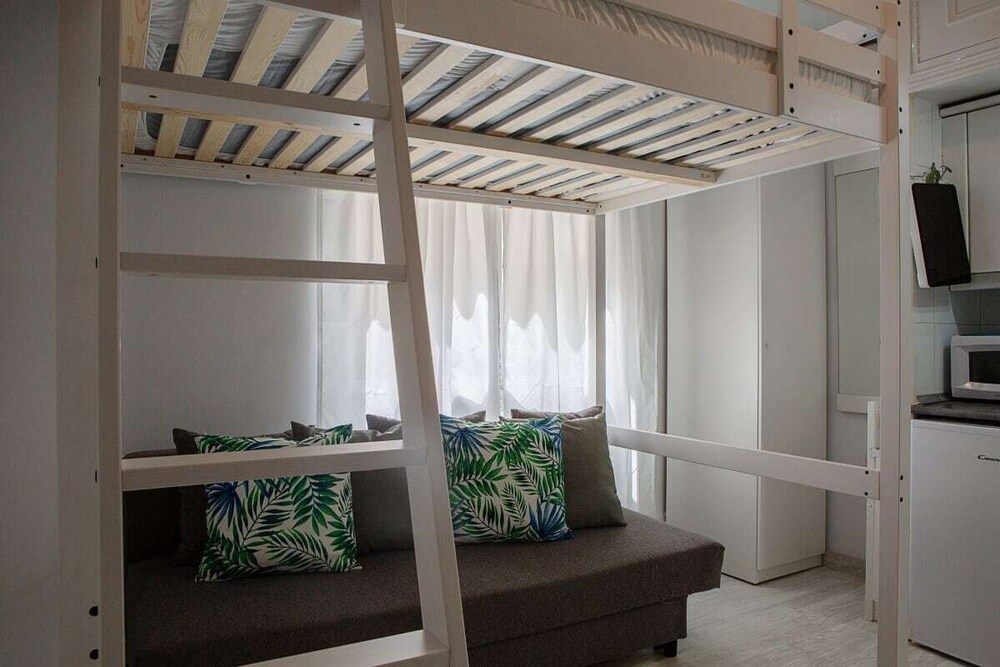
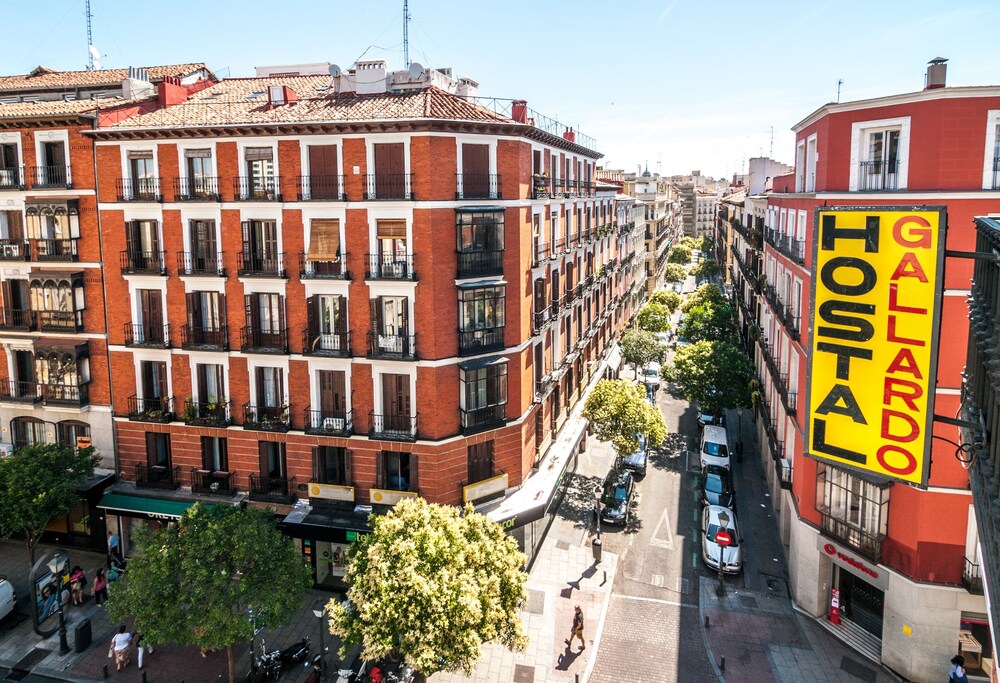
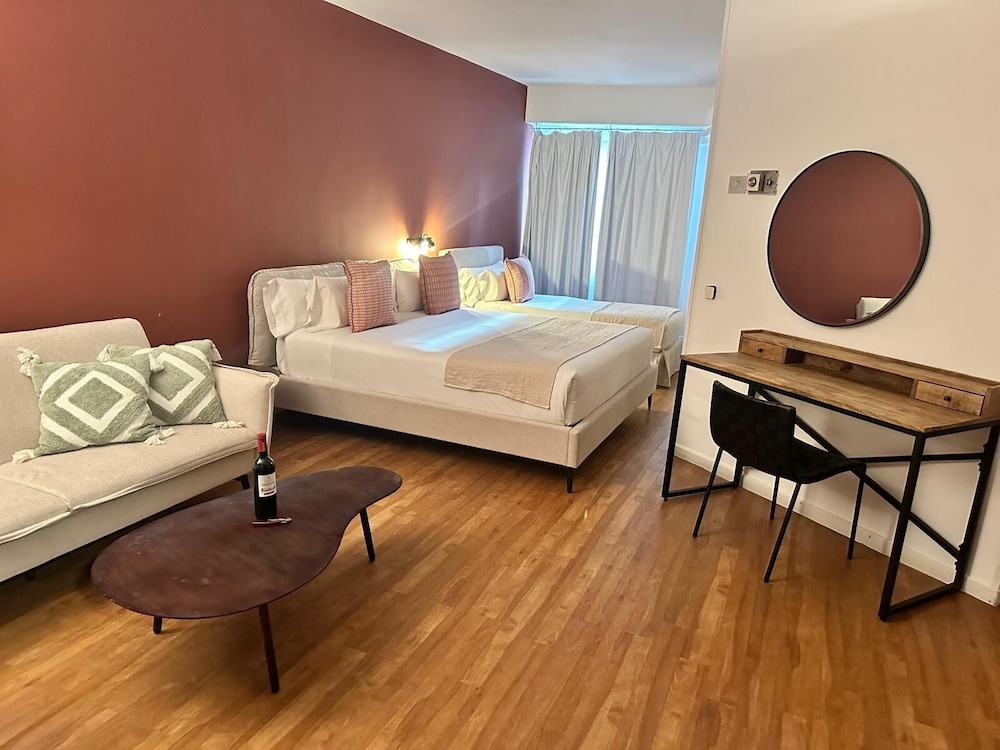
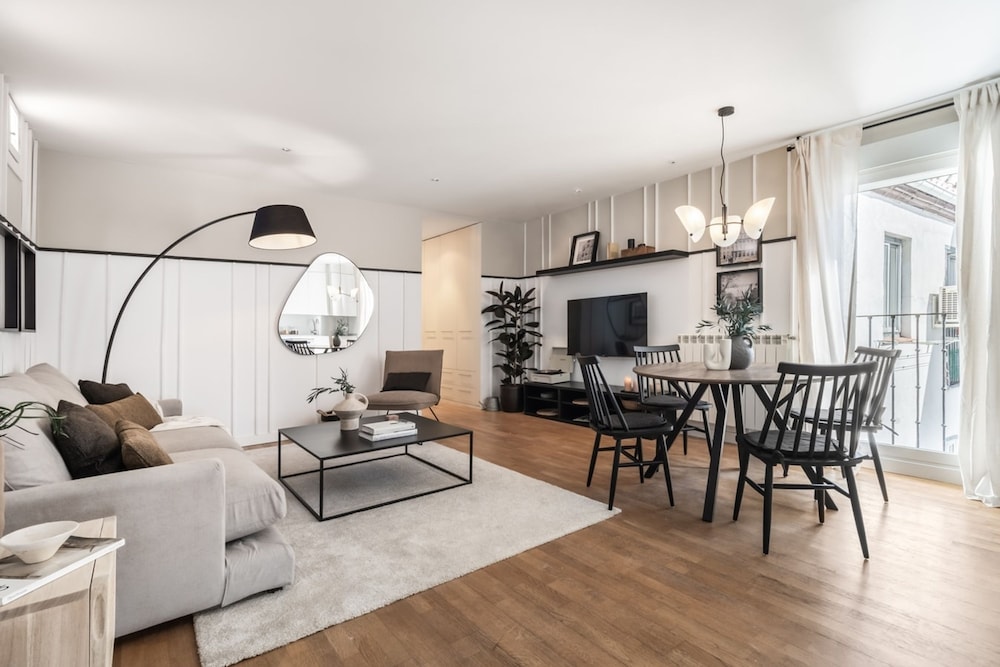
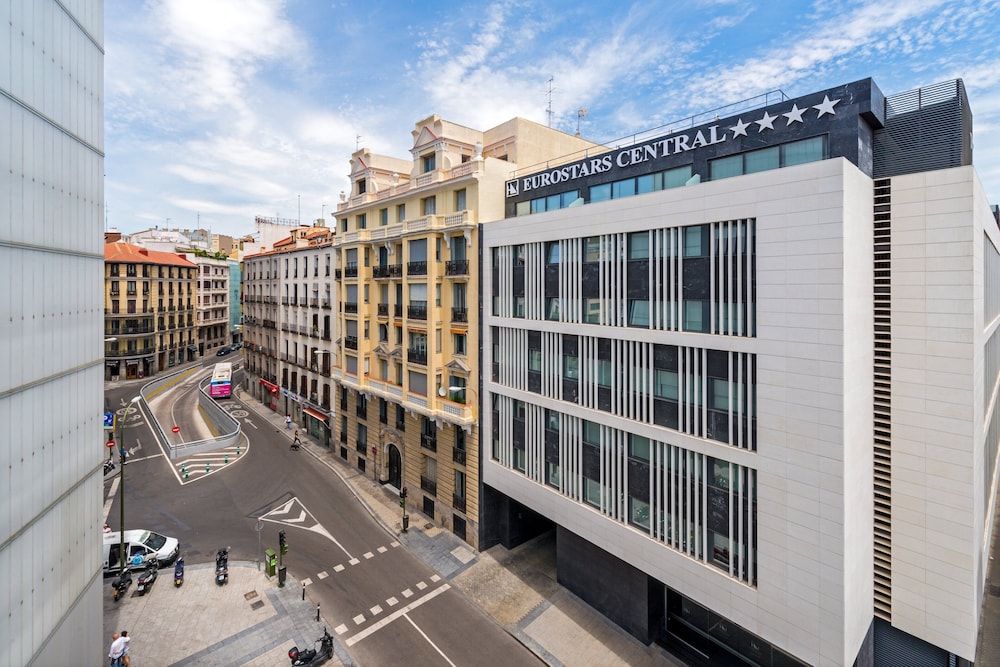
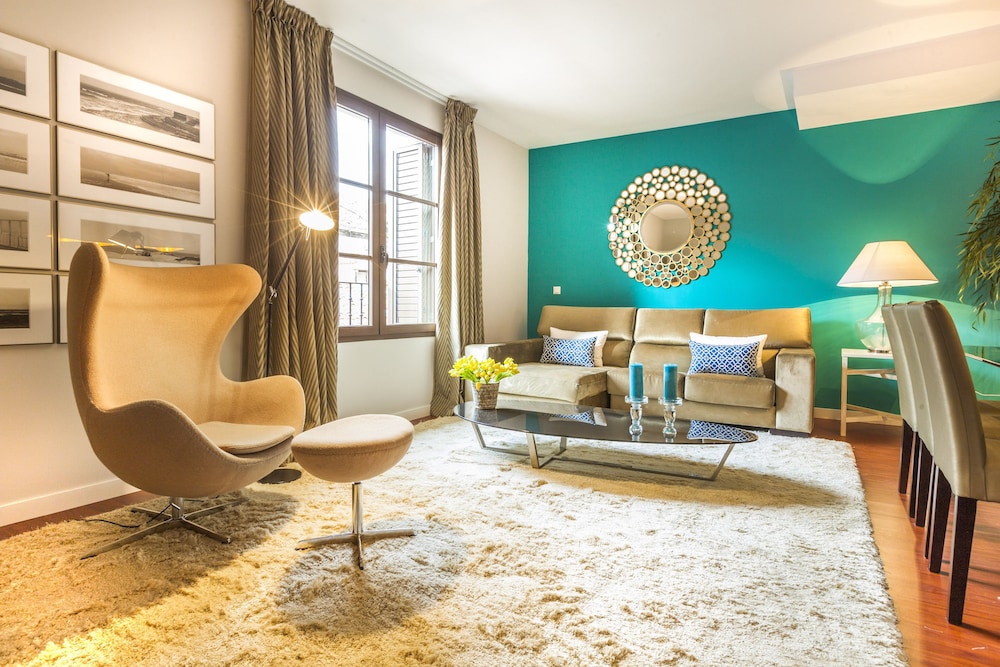
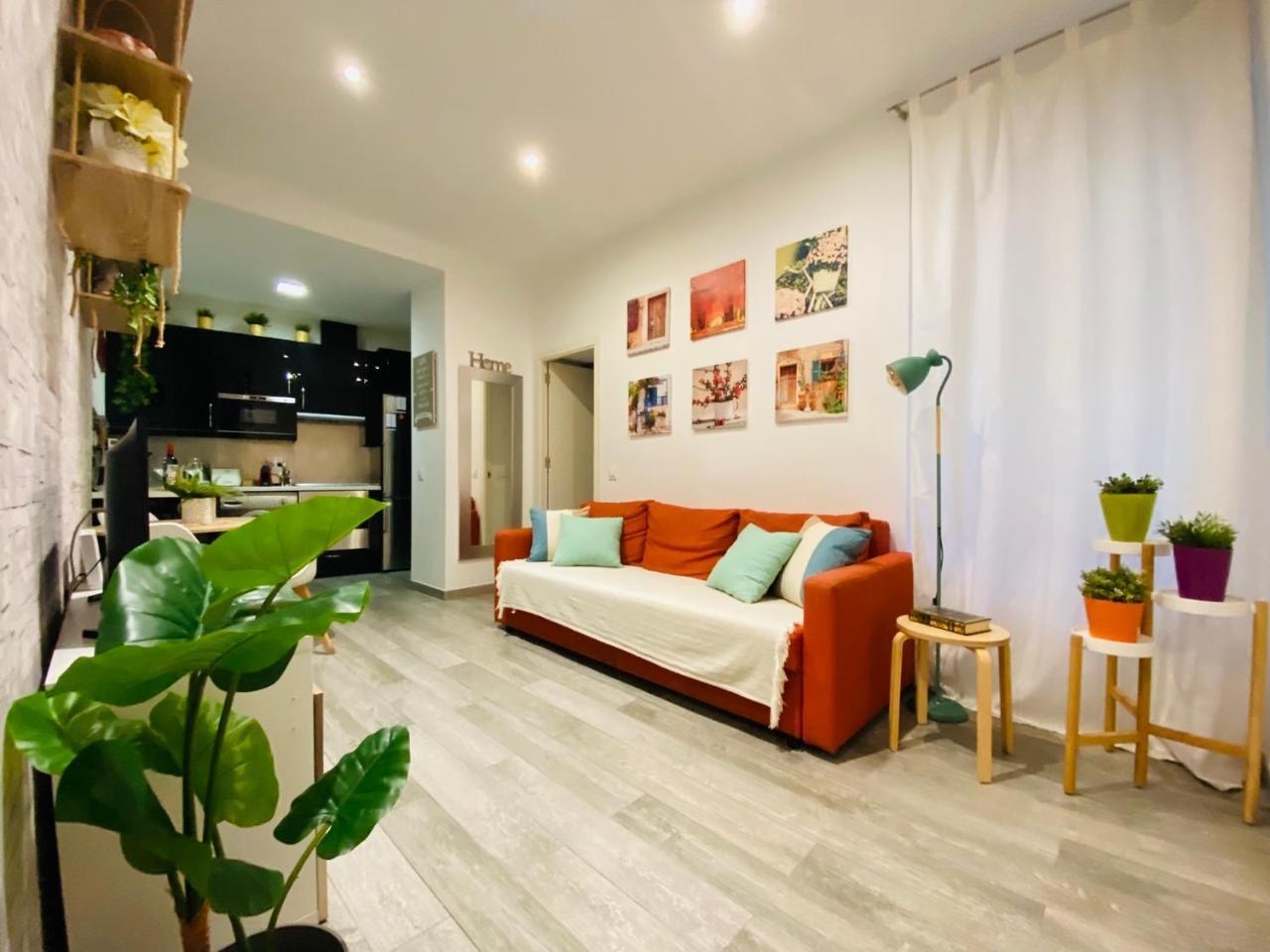
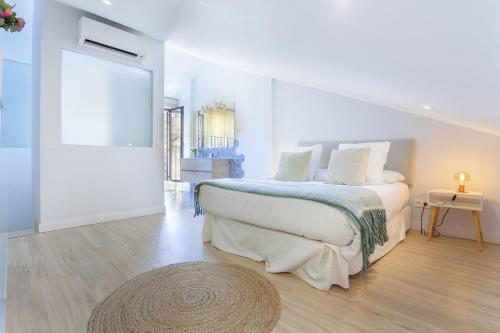
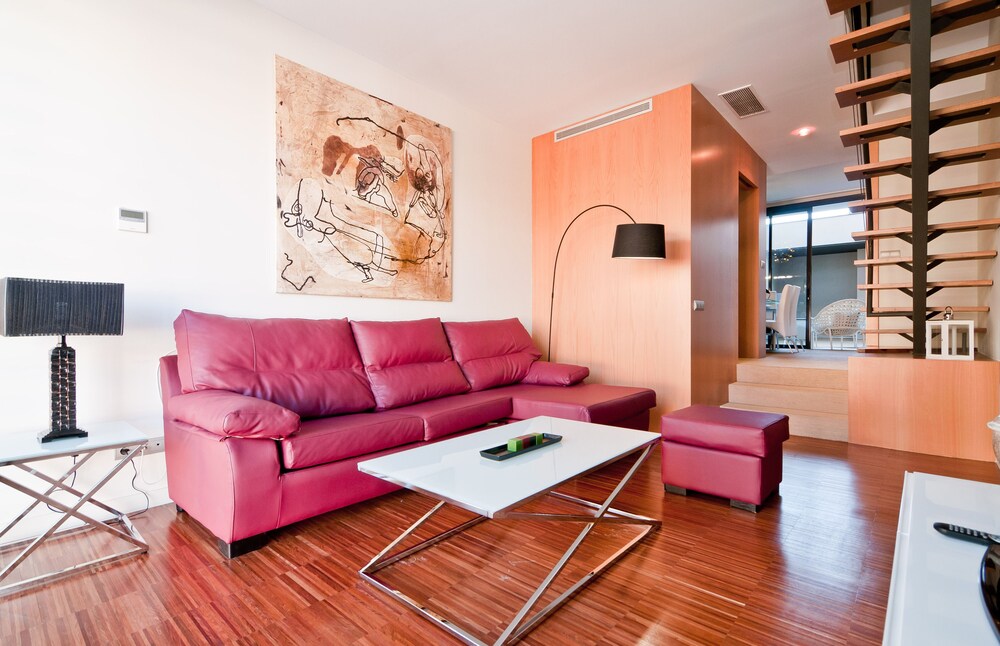
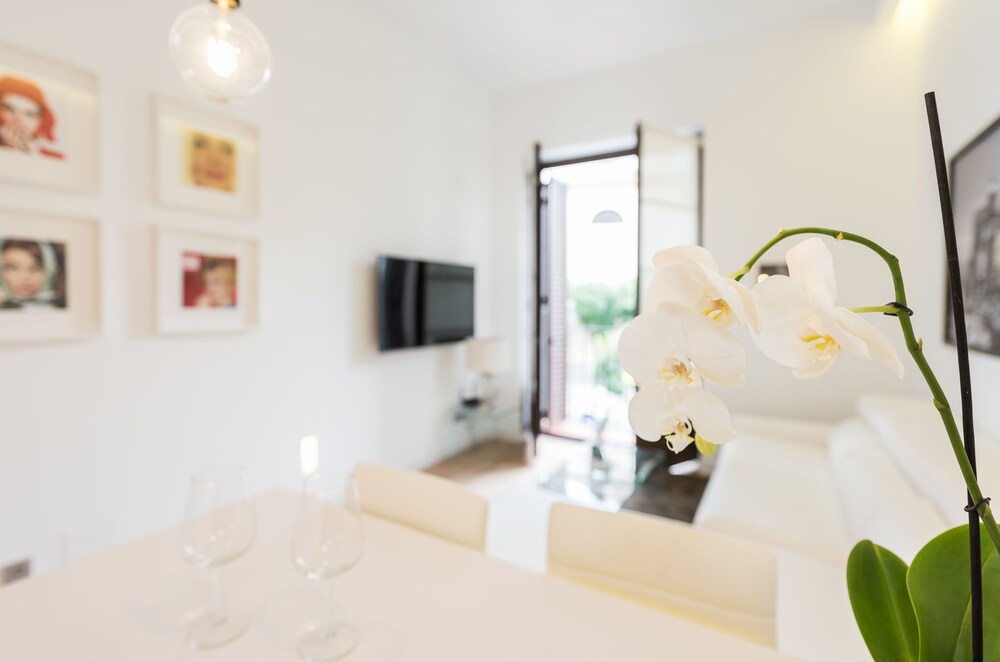
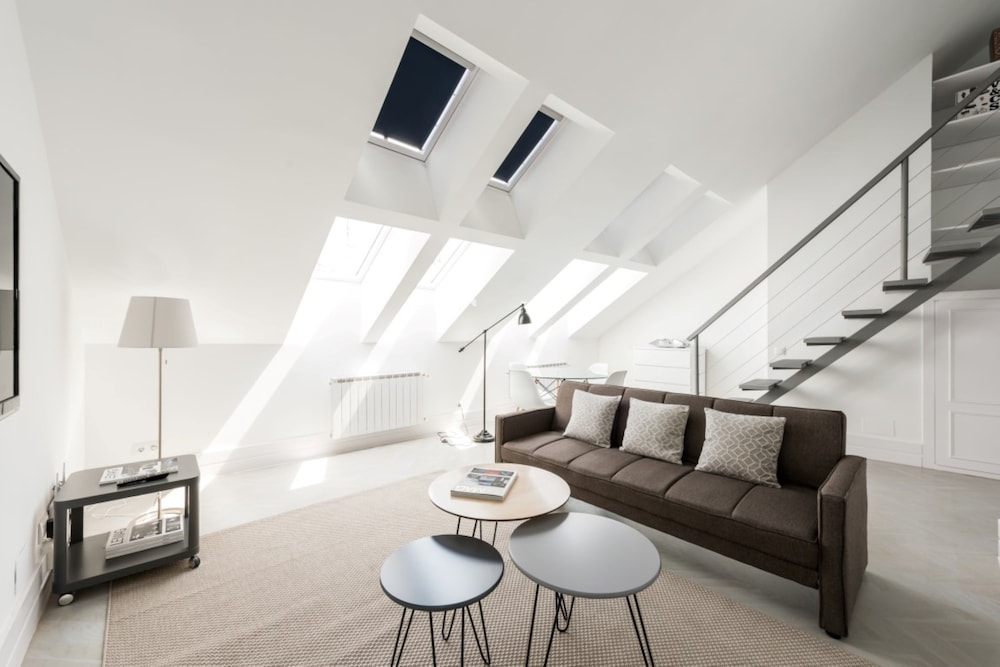
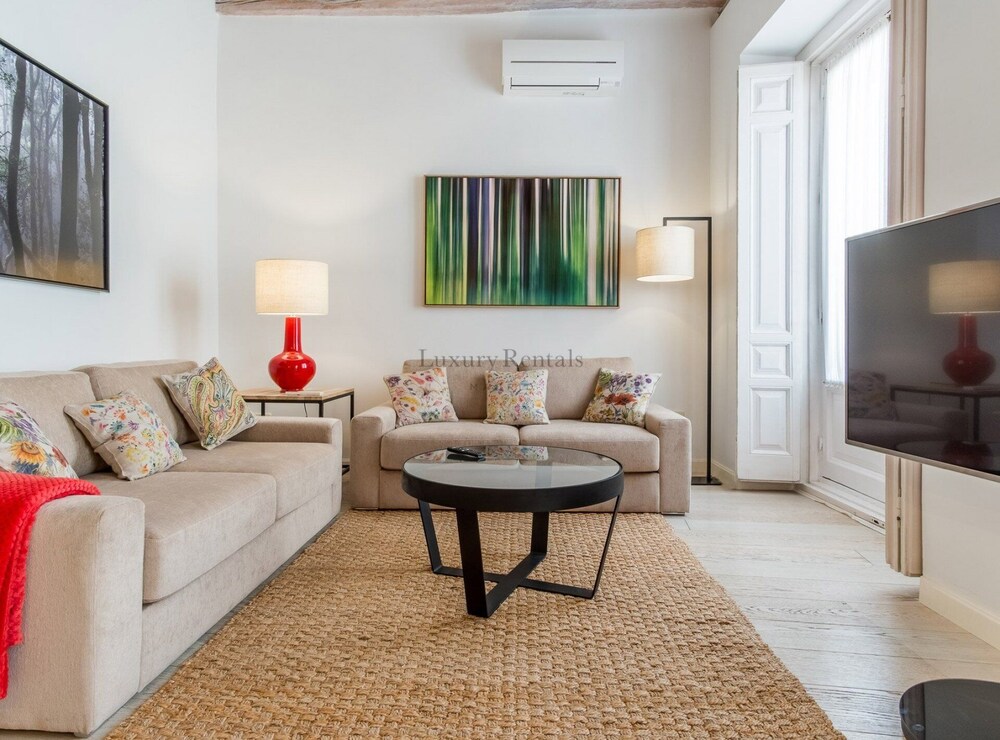
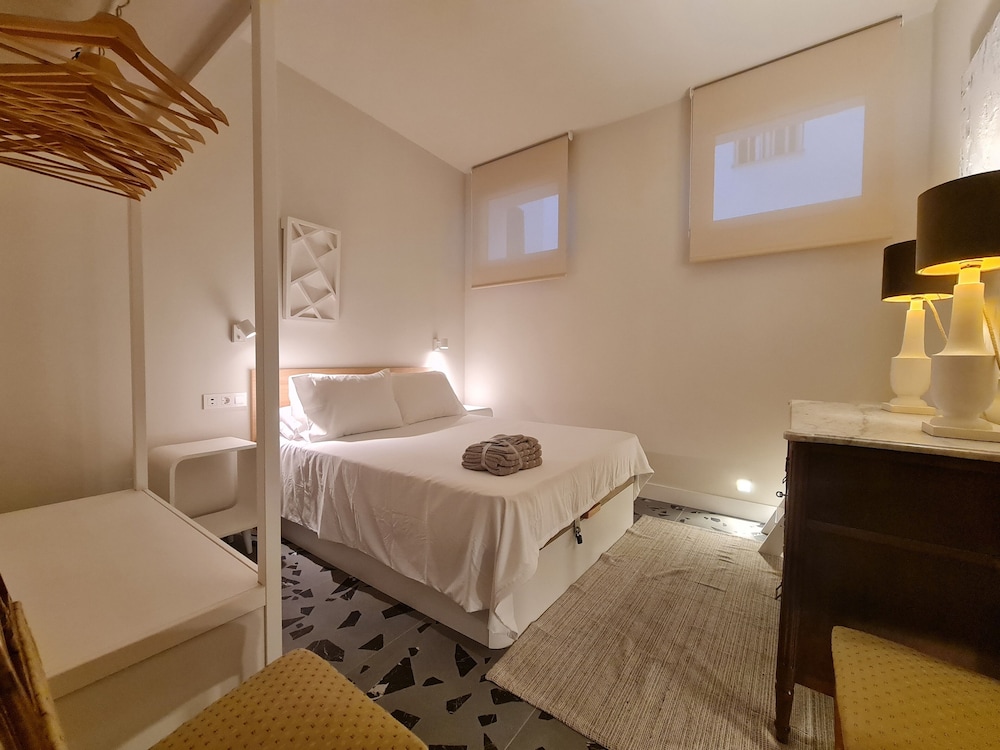
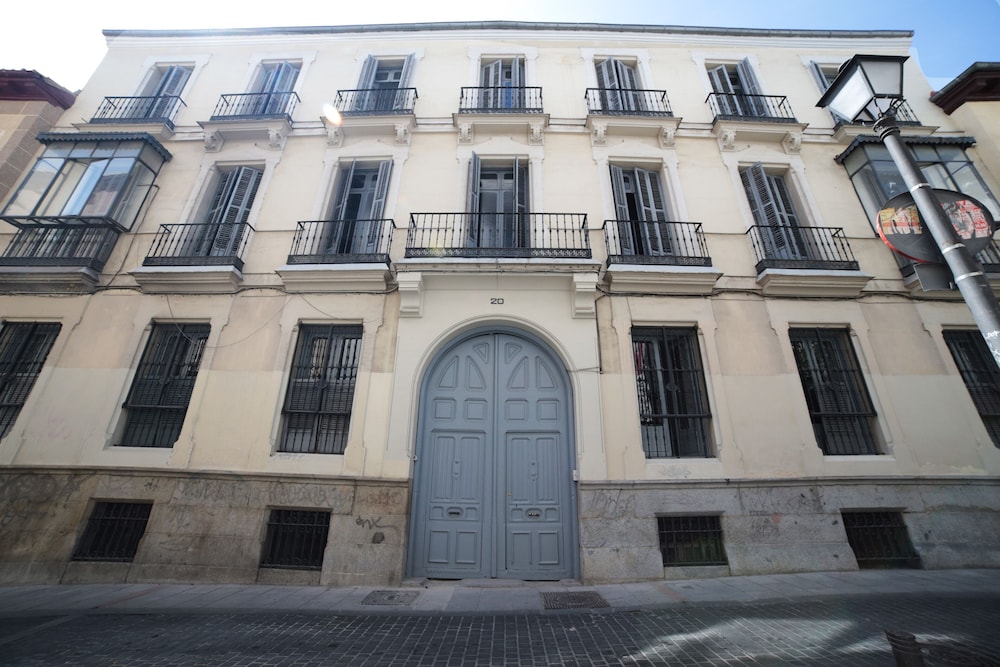
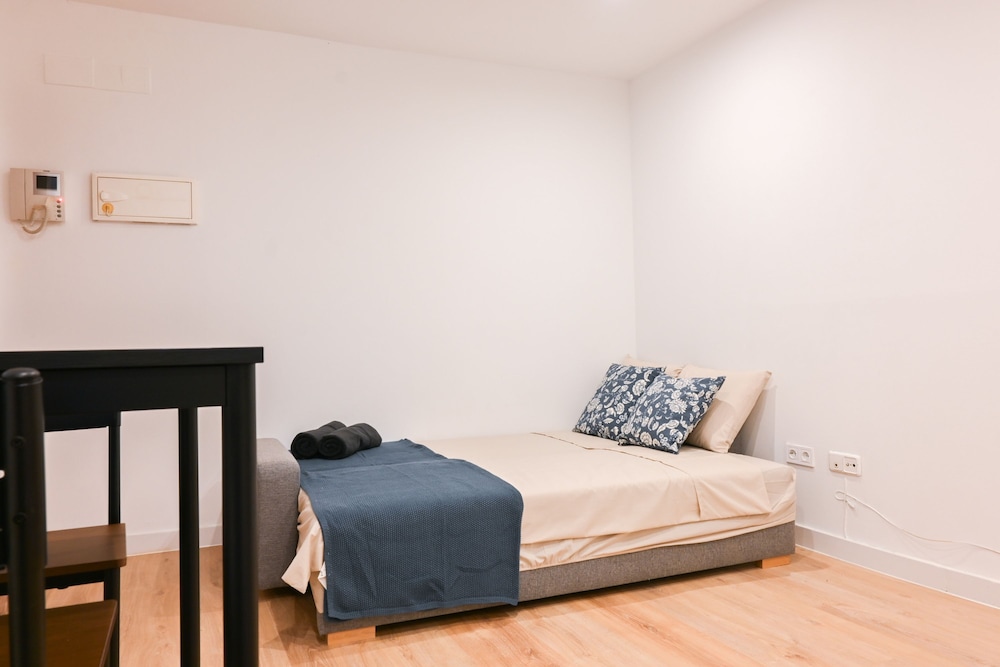
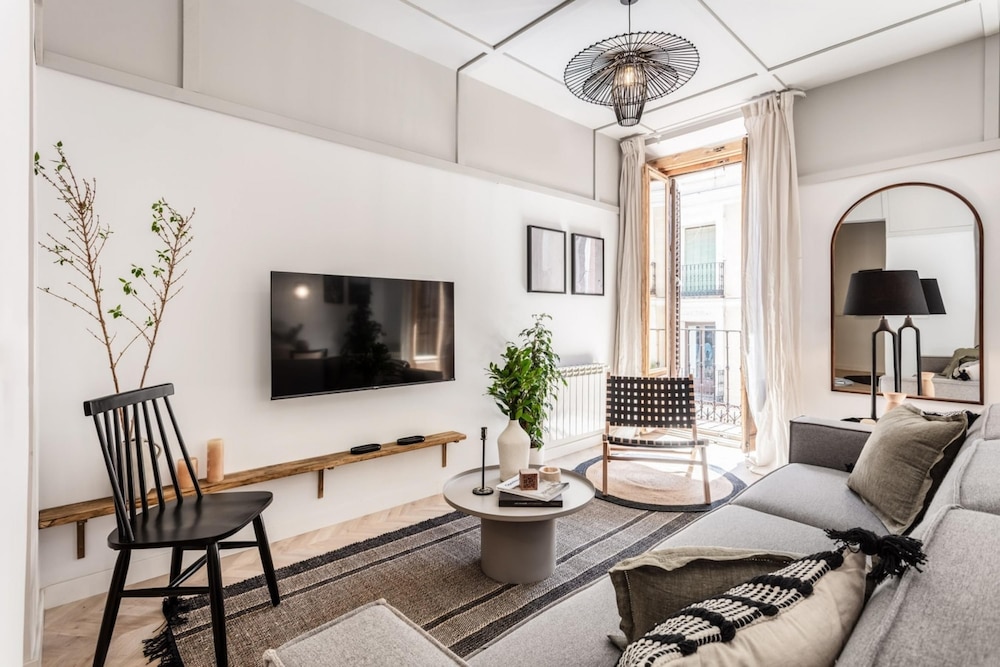
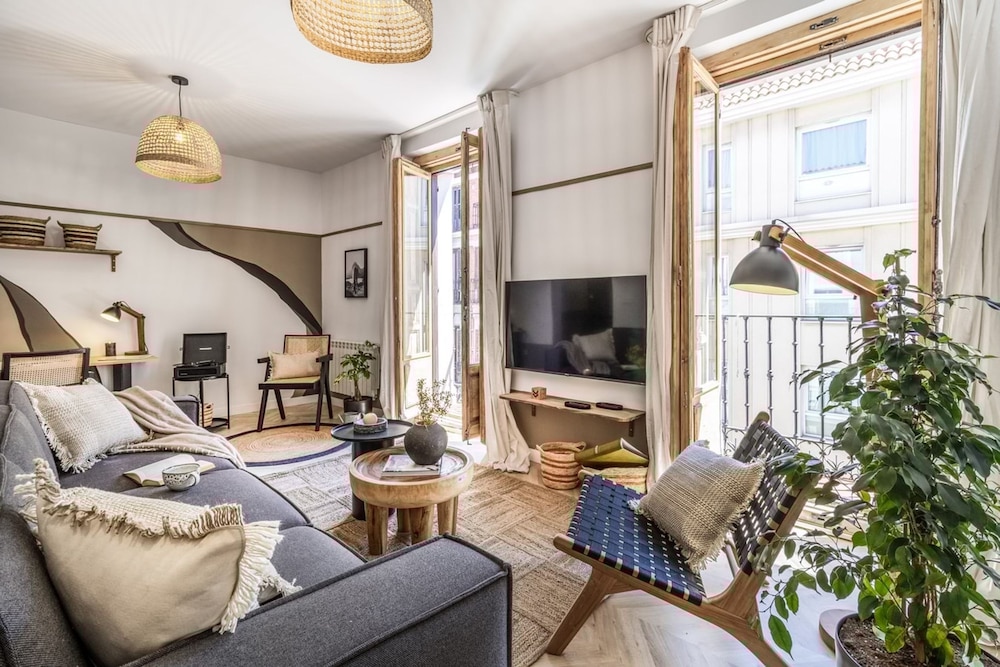
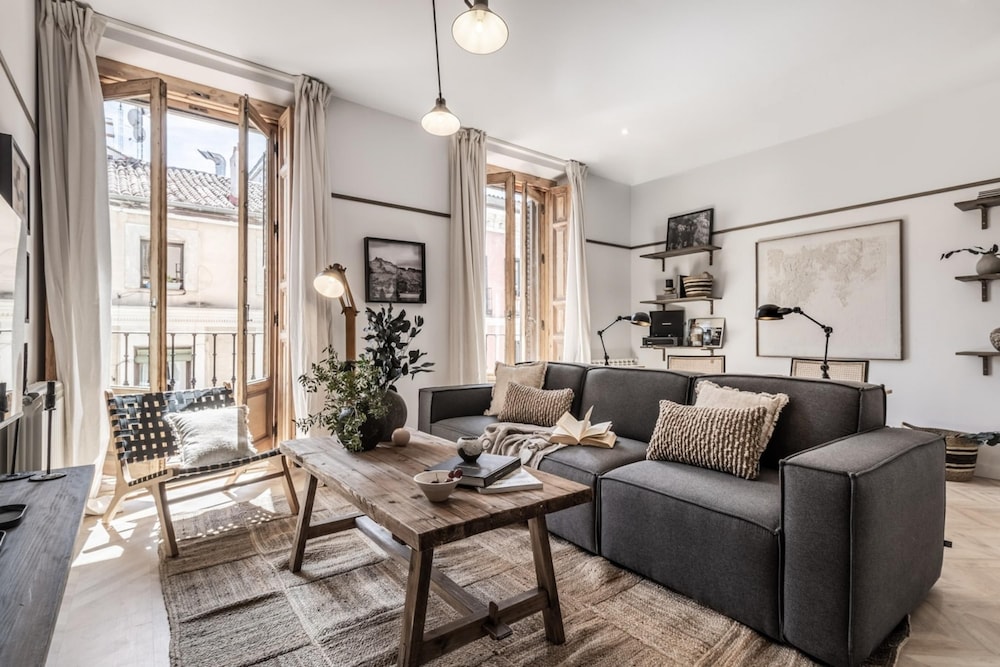
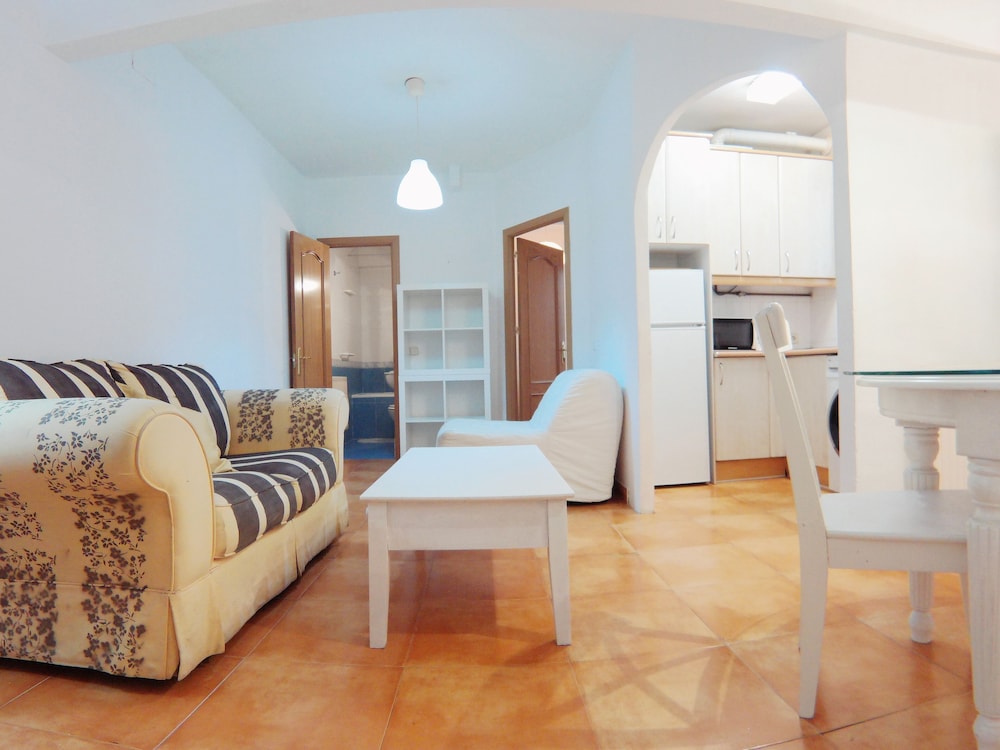
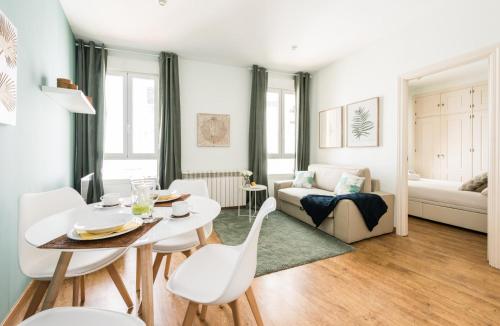
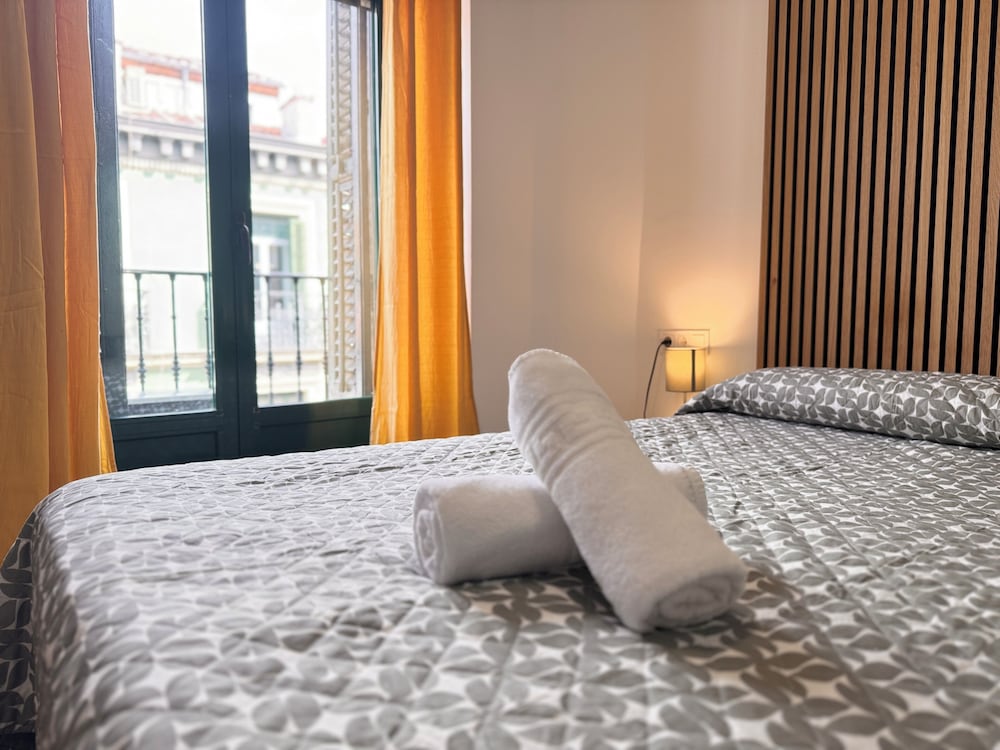
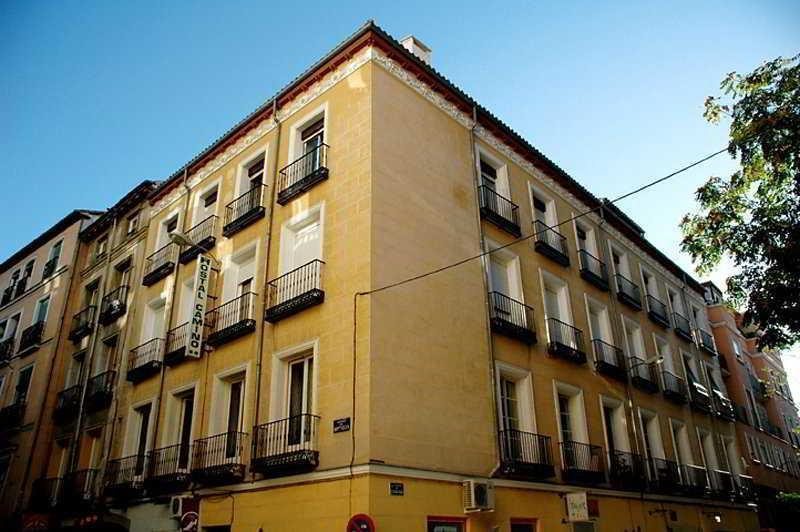
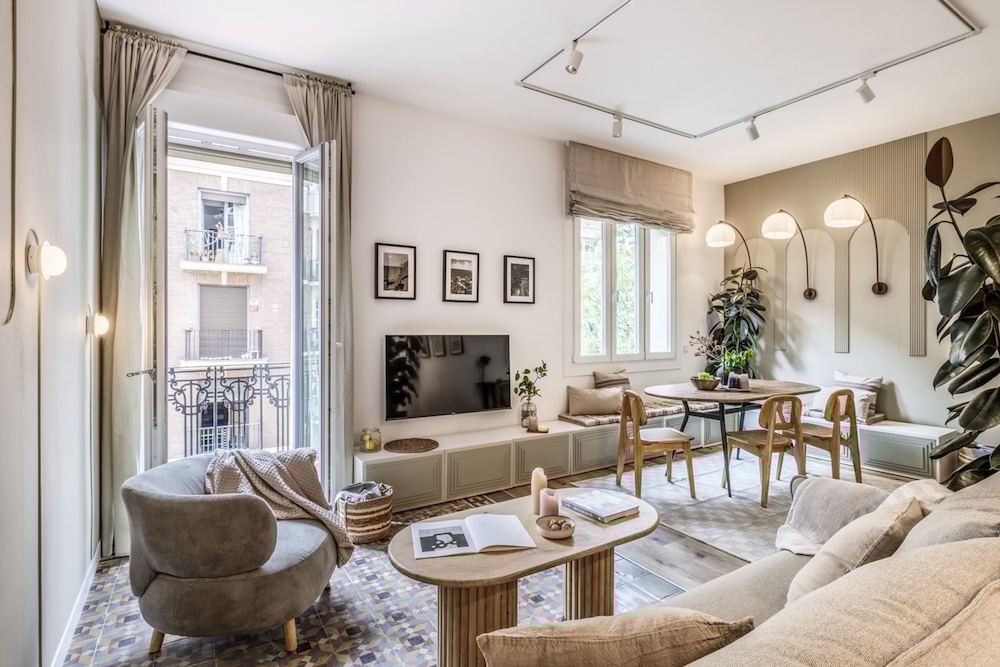
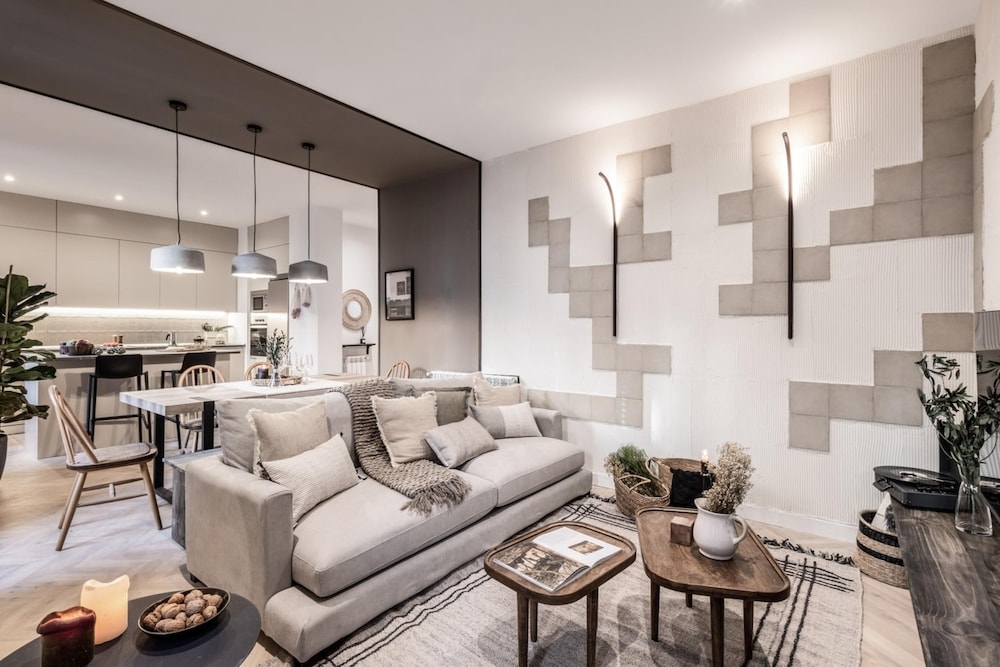
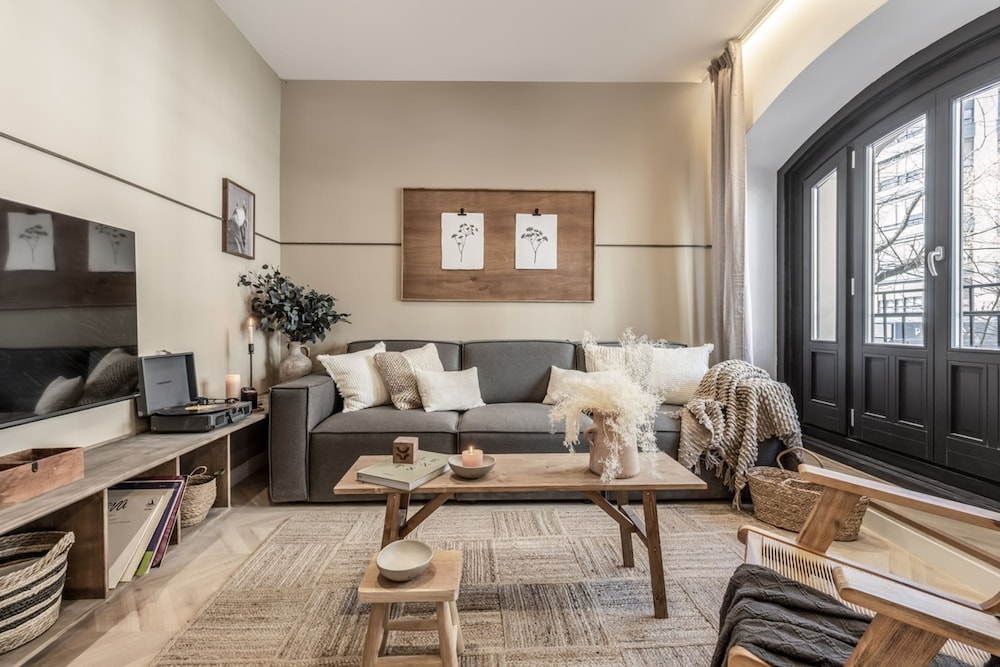
1bed Studio in the Heart of Madrid 2mins to Metro
Calle De Augusto Figueroa 9 2º Puerta 6 Madrid
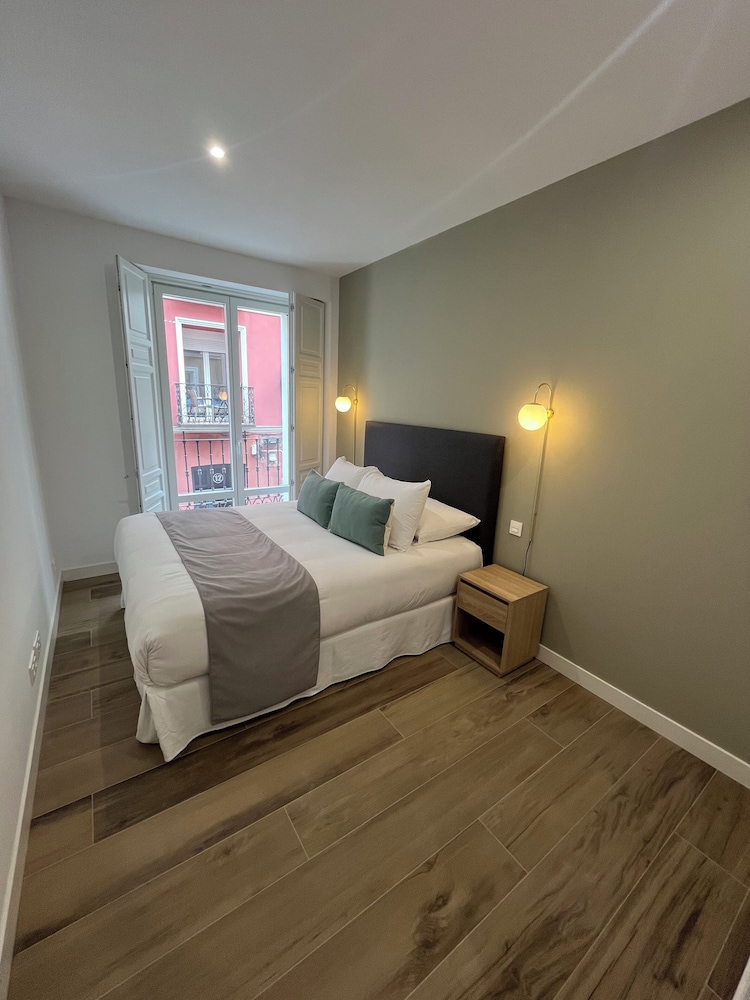
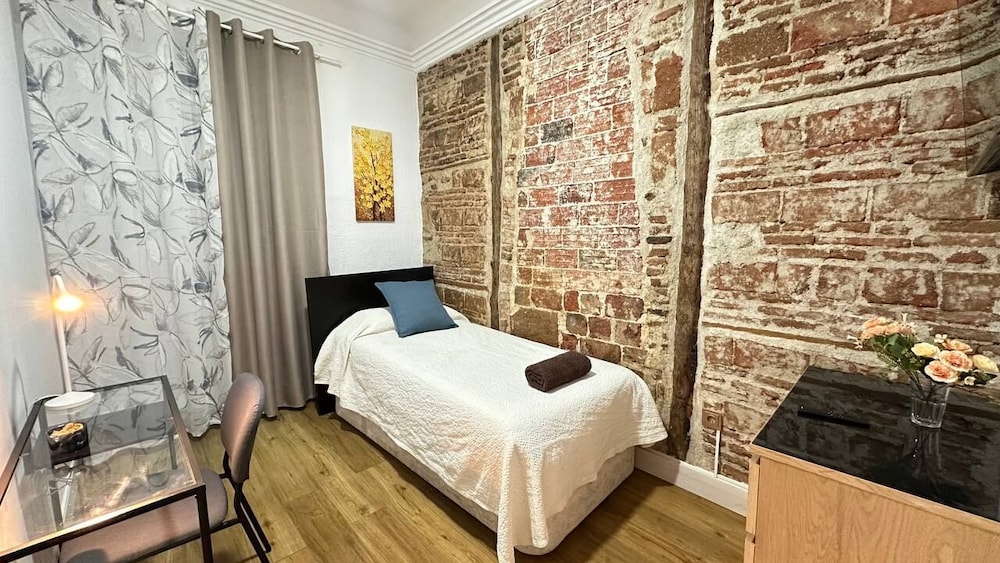

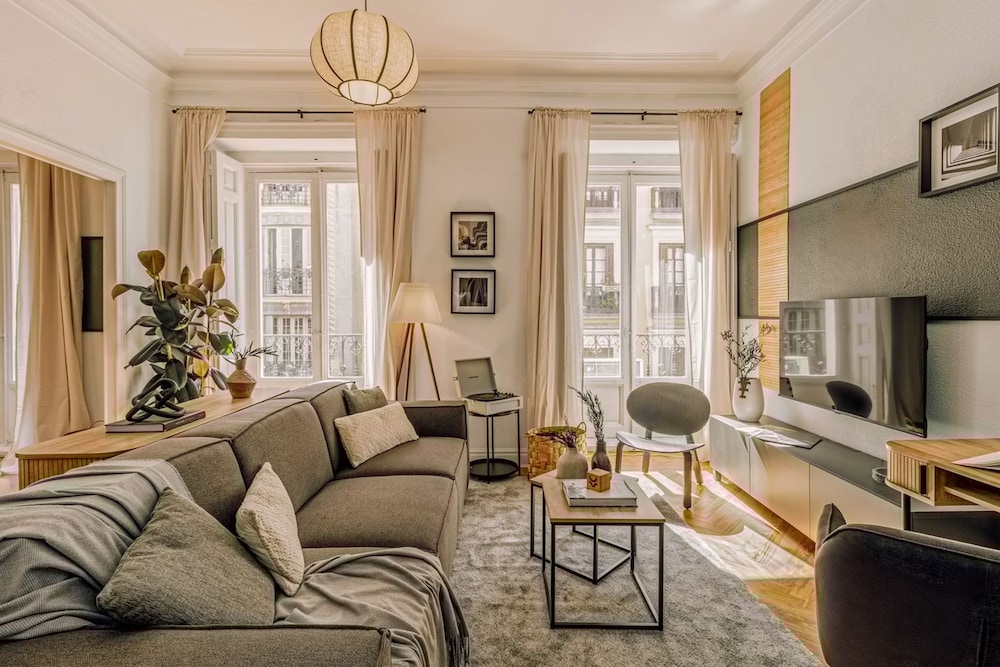
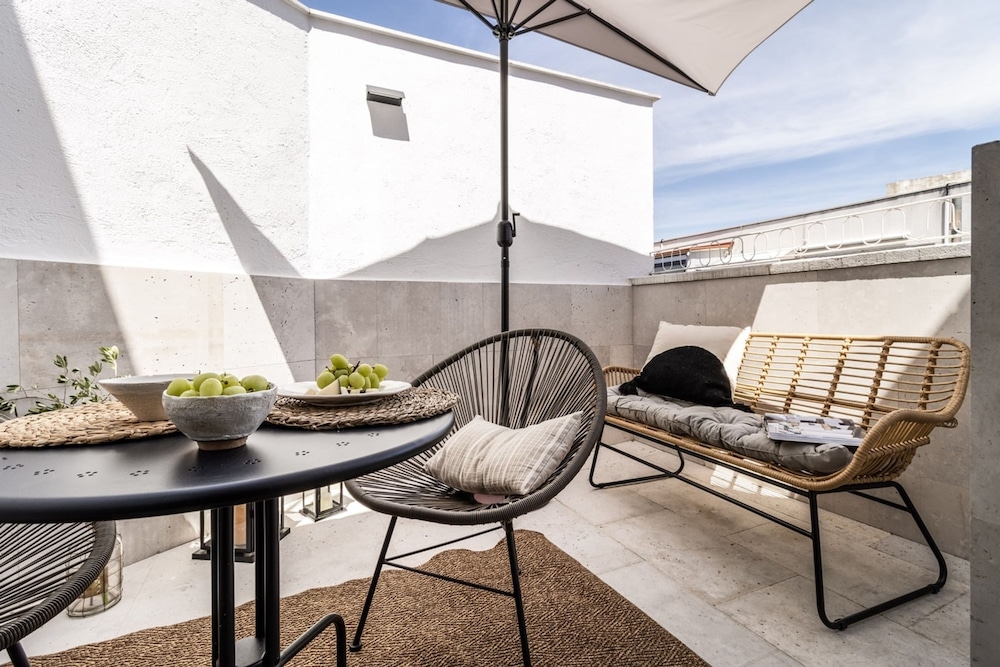
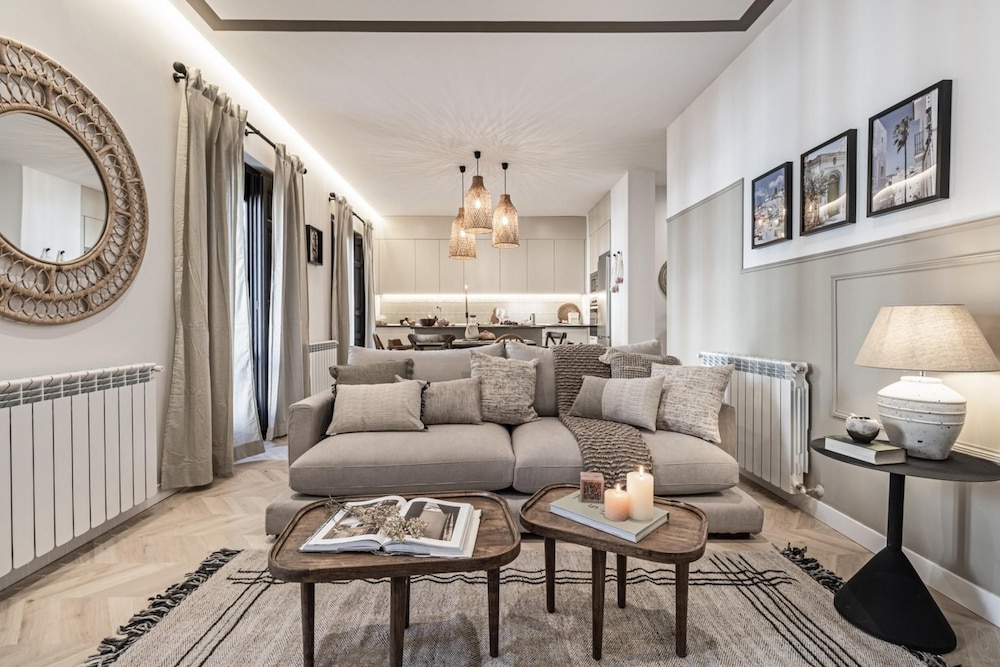
200 hotels matching your search
View all on IMPT →Browse full neighbourhood guides
FAQ
Frequently asked
What is the difference between Chueca and Malasaña?
Chueca is LGBTQ+ hub, cocktail bars, smart restaurants. Malasaña is alternative/bohemian, craft beer, vintage shops, younger crowd.
Which is better for nightlife, Chueca or Malasaña?
Both excellent. Chueca: more polished cocktail scene. Malasaña: indie bars and clubs open later.
Are hotels cheaper in Chueca or Malasaña?
Similar — both slightly cheaper than Sol. Malasaña has more budget options.
Is Chueca safe?
Yes — one of Madrid's most welcoming neighbourhoods, very active in the evenings.